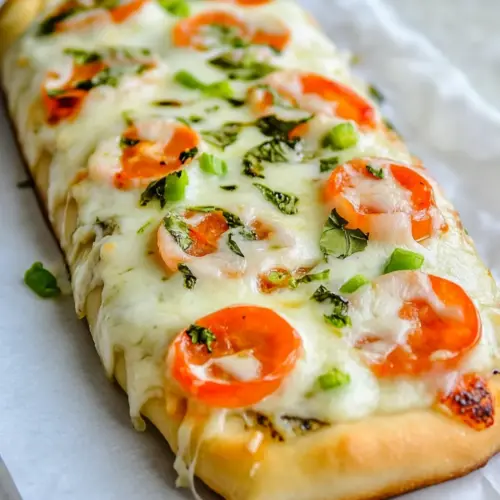
Foot Long Pizza
Foot Long Pizza is a quick, crispy, and colorful loaf turned into a shareable pizza, with creamy garlic spread, roasted vegetables, and bubbling mozzarella cheese. This easy weeknight dinner delivers satisfying textures and bold, savory flavors, perfect for feeding a small crowd or a casual family meal. Make it when you want big taste with minimal fuss and a crowd pleasing presentation.
Equipment
- Oven
- Baking Sheet
- Knife
- Mixing Spoon
Ingredients
- 1 loaf bread, french Toasted and split open, provides the sturdy base for the foot long pizza and soaks up flavors without becoming soggy. Offers a familiar chewy texture and golden crust that contrasts with soft toppings. Can be lightly hollowed to accommodate more fillings and toasting brings out a nutty aroma.
- 1 clove garlic Minced finely, imparts a pungent, savory aroma that enhances the overall flavor profile and pairs well with cheese and vegetables. Releases oils when sautéed or rubbed onto bread, adding depth and a subtle heat. Can be used raw for sharper bite or cooked for mellow sweetness.
- 1/4 cup cream cheese, low fat Softened and spreadable, creates a creamy, tangy layer that helps bind toppings to the bread while adding richness with lower fat. Melts slightly when warmed, contributing a smooth mouthfeel and moderating sharper flavors. Works as a mild base alternative to tomato sauce for a white-style pizza.
- 1 cup sliced mushrooms, white Sliced and sautéed or roasted, contributes earthy, umami flavor and tender texture that complements cheeses and herbs. Releases moisture and deepens in flavor when cooked, enhancing overall savory notes. Provides a meaty bite-like element for vegetarian topping balance.
- 1 medium bell pepper, green Chopped or sliced, supplies a crisp, slightly bitter sweetness and vibrant color that brightens the pizza visually and flavor-wise. Retains some crunch when cooked briefly and offers fresh vegetal contrast to richer components. Balances the dish with light, aromatic vegetal tones.
- 1 medium zucchini Sliced thinly, adds a mild, slightly sweet and tender texture that soaks up seasonings and melds with other vegetables. Offers subtle moisture and a delicate flavor that complements stronger ingredients without overpowering. Can be grilled or sautéed for deeper caramelization.
- 10 jumbo black olives, canned Sliced or halved, provides salty, briny bursts that introduce bold, savory contrast and concentrated olive flavor to each bite. Enhances overall umami and pairs well with cheeses, herbs, and vegetables for Mediterranean character. Canned olives bring convenience and consistent texture.
- 1 tablespoon Italian Seasoning Sprinkled or mixed in, contributes a fragrant blend of dried herbs and spices that layers classic Italian flavors across the pizza. Infuses toppings with balanced notes of oregano, basil, rosemary, and thyme, elevating overall aroma and taste. Works well both before and after cooking to adjust intensity.
- 1/2 cup mozzarella cheese, shredded Shredded and melted, adds creamy stretchiness and a mild, milky flavor that blankets the toppings and creates cohesive bites. Provides browning and gooey texture when heated, helping to bind ingredients together. Moderates sharper or tangier components with mellow dairy richness.
- 1 medium cantaloupe Sliced as a refreshing side or palate cleanser, offers sweet, juicy contrast that refreshes between savory bites and adds a light finish to the meal. Provides hydrating, melon-forward flavor and pleasant fragrance to complete the dining experience. Serves as a cooling, nutritious accompaniment.
Instructions
- Heat oven to 450°F. Line a baking sheet with foil.: The initial high temperature creates a rapid oven blast that crisps the exposed bread surfaces and starts roasting the vegetables, giving a satisfying crunch at the edges. You will notice the oven air humming and the warmth intensifying as the heat builds. This quick burst of heat is important because it sets the crust texture early, helping prevent sogginess from the toppings. A common mistake is preheating on a lower setting which yields a limp base instead of a crisp one.
- Slice bread in half lengthwise and place cut-side up on the pan.: The foil reflects heat and makes cleanup fast, plus it helps prevent the bottom from burning while keeping the pan clean. Press the foil smoothly so the bread sits level, which means toppings will stay put and brown evenly. You may hear faint crinkles when placing it, and that is normal. Avoid using foil too loosely or it can shift under the loaf, causing uneven cooking.
- Press or mince garlic and stir it into the cream cheese; spread evenly over each bread half.: Cutting the loaf lengthwise exposes a broad surface for spreading and makes the loaf look dramatic on the table. The cut side will toast and develop golden flecks, while the crust remains protectively chewy. Position it centrally on the sheet so heat circulates around the loaf evenly. If you slice unevenly, one half may brown quicker than the other.
- Chop or slice mushrooms, bell pepper, zucchini, and olives and add to the bread. Spray gently with cooking spray or drizzle with olive oil, then sprinkle with Italian seasoning.: When you crush the garlic and fold it into the cream cheese , the aroma is immediate and bright. The tiny garlic oils disperse through the cream, ensuring each bite has balanced flavor. Smell for that sharp garlic perfume before spreading, which indicates freshness. If garlic chunks remain large, they will deliver harsh bursts rather than a mellow background note.
- Bake for 15 minutes or just until vegetables begin to brown. Remove from oven and reduce temperature to 425°F.: A thin, uniform layer of the garlic cream makes a delicious foundation that helps toppings adhere and prevents the loaf from becoming soggy. Use the back of a spoon to smooth it consistently to the edges, watching for globs that would block heat transfer. If spread unevenly, thicker spots can stay soft and undercooked.
- Sprinkle cheese over pizzas, return to oven, and bake 5 minutes longer or until cheese has melted.: Preparing the vegetables into similarly sized pieces ensures even roasting, and you will hear the faint scrape of the knife as you prep. The mixture should look colorful, offering visual contrast across the loaf. Arrange them so the distribution is balanced, otherwise some bites will be overloaded while others are bare. A typical error is leaving some vegetables much larger than others, which results in uneven cooking.
- Cut each pizza in half, and serve with chopped cantaloupe on the side.: A light mist or drizzle encourages browning and helps the herbs cling. The oil will shimmer on the vegetables, and when roasted it carries flavors into the flesh of the vegetables, enhancing caramelization. Use sparingly so you do not saturate the bread . Overapplying will make the bottom soggy instead of crisp.
- Sprinkle with Italian Seasoning: The dried herbs release an herbal perfume once heated, and they bring cohesion to the topping flavors. You should be able to see the flecks of seasoning across the vegetables, signaling even coverage. Avoid piling it on in one spot because that can create bitter pockets when roasted.
- Bake for 15 minutes or just until vegetables begin to brown: At this stage you will notice the oven producing a warm, fragrant rush filled with roasted vegetable notes, and the edges of the bread will start to crisp and take on light golden color. This partial bake lets the veg soften without the cheese, ensuring the final melt happens fast. A mistake some people make is baking until everything is deeply browned, which can overcook the vegetables before the cheese is added.
- Remove from oven and reduce temperature to 425°F: Lowering the oven temp prevents the cheese from blistering too aggressively while still melting smoothly, producing a glossy finish rather than burnt spots. You will perceive a change in oven sound and heat intensity as the thermostat adjusts. If you skip reducing the temperature, the cheese can brown unevenly or become rubbery.
- Sprinkle cheese over pizzas: Adding the mozzarella cheese now gives it a chance to melt uniformly into the warm vegetables, creating cohesive coverage and those irresistible cheese stretches. The cheese will look pale and powdery at first, then transform into glossy, elastic pools as it melts. Avoid piling cheese thickly in one area, which can prevent heat from reaching toppings underneath.
- Return to oven and bake 5 minutes longer or until cheese has melted: In these final minutes you will hear faint bubbling, and the cheese will shift from matte to shiny, occasionally forming light golden spots. This brief finish is all about texture, allowing the cheese to bind the toppings without overcooking them. Watch carefully because a minute or two can be the difference between perfectly melted and over browned.
- Cut each pizza in half and serve with chopped cantaloupe on the side: Cutting reveals the steam and lets any residual heat settle so the mozzarella cheese sets just enough for clean slices. The cool, sweet cantaloupe balances the savory loaf and refreshes the palate. Serve promptly so the crust keeps its crispness. If you let it sit too long, the heat will redistribute and the base can soften.
Notes
- Swap bread type carefully If you choose a different loaf, opt for one with an open crumb but sturdy crust. A very soft, airy loaf will compress and may not crisp, while a dense artisan loaf will stay firm and toast beautifully.
- Adjust garlic intensity For a milder profile reduce the garlic to a half clove, or let the crushed garlic sit mixed into the cream cheese for 10 minutes before spreading to tame its sharpness.
- Control vegetable moisture If your mushrooms or zucchini seem wet, pat them dry with paper towel so they do not bleed too much water onto the bread, which helps keep the crust crisp.
- Even cheese distribution Spread the mozzarella cheese evenly rather than piling it in clumps, which ensures uniform melting and avoids cold spots.
- Preheat properly Make sure your oven reaches the full temperature before starting. An underheated oven will lengthen cooking and change texture outcomes.