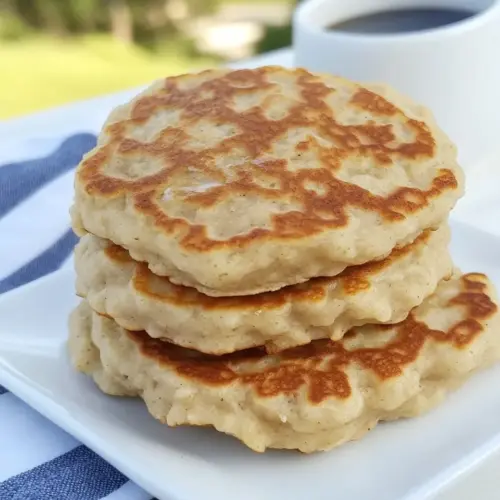
Fluffy Cauliflower Pancake
Fluffy Cauliflower Pancake delivers airy texture and subtle vegetable depth, creamy coconut milk notes, and golden edges that crisp in the skillet. This easy weeknight breakfast or brunch brings tender vegetable puree into a familiar pancake form, topped with juicy berries for freshness. Make it for a light, satisfying morning that feels both clever and comforting.
Equipment
- Skillet
- Spatula
- Food Processor
- Mixing Bowls
Ingredients
- 1 cup cauliflower, florets Chopped into small, tender pieces to provide a mild, slightly sweet vegetable base that adds moisture and a subtle cauliflower flavor to the pancake batter. Pureed or finely grated, contributes fiber and bulk while keeping the pancakes light when combined with the wet ingredients. Offers a nutritious alternative to heavier starches, helping to boost vegetable intake without overpowering other flavors.
- 3/4 cup water Added to hydrate the cauliflower and create a smooth batter consistency that helps the dry ingredients blend evenly. Warm or room temperature water aids in activating the baking powder and ensuring uniform texture during cooking. Helps control batter thickness so pancakes spread and cook through without drying out.
- 1/2 cup coconut milk, unsweetened Used as a creamy liquid to enrich the batter with a hint of natural fat and mild coconut flavor while maintaining dairy-free characteristics if desired. Thick coconut milk contributes silkiness and helps create a tender crumb in the pancakes. Balances moisture and richness for a pleasant mouthfeel without making the batter overly heavy.
- 1 large egg Whisked in to bind the ingredients, provide structure through coagulation when cooked, and add lightness from trapped air during mixing. Supplies protein that helps the pancakes hold together and contributes to browning and flavor development. Can be beaten slightly before incorporation to introduce extra fluffiness into the batter.
- 1 cup flour, whole wheat Mixed in as the primary dry structure component to form the pancake matrix and provide bulk, texture, and chew. Whole wheat flour brings a nuttier flavor and additional fiber compared with white flour, contributing to a heartier pancake. Properly combined with liquids and leavening yields a stable batter that cooks into tender, browned cakes.
- 1 tablespoon sugar Sprinkled in to add a touch of sweetness and enhance the natural flavors of the cauliflower and berries without overpowering them. Small amounts assist in caramelization during cooking, promoting appealing color and flavor on the pancake surfaces. Balances overall taste so the pancakes are mildly sweet and enjoyable without extra syrups.
- 2 teaspoons baking powder Stirred into the dry ingredients to produce lift and airiness by releasing gases when heated, resulting in fluffy, well-risen pancakes. Ensures the pancakes expand and maintain a light texture rather than becoming dense. Properly measured and evenly distributed prevents off-flavors while maximizing rise.
- 1/4 teaspoons salt Measured sparingly to season the batter and highlight the other flavors while stabilizing the dough's taste profile. A small pinch enhances sweetness perception and strengthens the overall flavor balance without making the pancakes noticeably salty. Helps intensify the subtle savory notes from the cauliflower and butter.
- 1 none cooking spray Mist-sprayed onto the cooking surface to prevent sticking and allow pancakes to flip cleanly without adding excess oil. Provides a thin, even coating that supports browning while minimizing added fats. Useful for non-stick pans as a quick, convenient way to manage cooking release.
- 2 tablespoons butter, unsalted Melted and used to flavor and lightly grease the pan or to finish pancakes with a rich, buttery note. Unsalted butter allows control over overall sodium while contributing a golden color and smooth texture. Adds depth to the pancake taste and pairs well with berries and a light dusting of sugar or syrup.
- 1 cup strawberries Sliced or halved and served fresh as a topping or folded into the batter for bursts of sweet-tart flavor and bright color. Strawberries bring juiciness, natural sweetness, and a pleasant acidity that complements the mild cauliflower base and whole wheat notes. Provide visual appeal and nutritional value, including vitamin C and antioxidants.
- 1 cup blueberries Scattered whole or folded into the batter to add small, juicy pops of sweet-tart flavor and a contrasting texture to the pancakes. Blueberries offer concentrated sweetness, moisture, and antioxidants that pair well with the buttery and coconut undertones. Help balance the dish with bursts of freshness in each bite.
Instructions
- Steam cauliflower until tender. Add to food processor along with 1/2 cup water and blend until smooth.: The cauliflower should steam until a fork slides through easily and the florets feel soft to the touch. You'll notice a faint vegetal steam aroma that becomes sweeter as the florets cook, and the texture will transform from firm to yielding. This step matters because undercooked cauliflower will not puree smoothly, leaving grainy bits in your batter. A common mistake is steaming too briefly, which leads to uneven texture in the pancakes, so test with a fork and give it a little extra time if needed.
- In a medium-sized mixing bowl, combine cauliflower puree, coconut milk, and egg.: As you pulse and then process, watch the mixture turn from chunky to silky, releasing a mellow, slightly sweet scent. The water helps the blades puree into a fine, creamy consistency that integrates seamlessly into the batter. If the puree feels too thick, add small amounts of the remaining water to reach a silky texture. Avoid overblending to the point of warming the puree, which can make it looser and harder to measure accurately.
- In a separate bowl, combine flour, sugar, baking powder, and salt.: When you whisk these together, the batter should look cohesive and a bit glossy, with small ribbons forming as you stir. The coconut milk adds a creamy sheen and the egg helps bind. Mixing these wet components first ensures an even distribution of moisture before they meet the dry ingredients. A typical error here is not fully incorporating the egg , which can leave streaks and uneven texture in the finished pancakes.
- Fold wet ingredients into the dry ingredients and mix until fully incorporated. Stir in remaining water until desired consistency is reached.: When the dry ingredients are sifted or whisked together, you will see a uniform, pale mixture that promises even lift. Whisking aerates the flour and disperses the baking powder so it activates reliably when cooked. This matters because clumps of leavening create uneven rise. Avoid dumping the dry mix in without blending first, as pockets of baking powder can produce odd tasting spots.
- Spray a skillet with cooking spray and heat over medium heat.: As the wet mixture folds into the dry, you will notice the batter thicken then loosen as you add the reserved water . The goal is a scoopable batter that spreads slightly when dolloped. The folding motion preserves some air while ensuring everything is combined, contributing to the final fluffiness. A frequent misstep is overmixing, which can develop the whole wheat flour and yield dense pancakes, so stop as soon as streaks disappear.
- Drop batter by 1/8-1/4 cup amounts onto hot skillet, cooking until edges and bottom begin to brown. Flip and continue cooking until golden brown on both sides and cooked through.: Heat brings the skillet to the right temperature when a drop of batter sizzles gently and forms bubbles around the edges. The faint hiss signals readiness and will produce a golden crust. Using cooking spray helps prevent sticking while allowing for proper browning. If the pan is too cool, the pancakes will spread thin and not brown, and if too hot they will char before the center cooks, so adjust heat as you go.
- Serve topped with butter and fruit.: As each dollop hits the skillet, you should hear a soft sizzle and see small bubbles forming on the surface, with edges looking set and slightly dry. This visual cue tells you the underside is forming a crust and it's nearly ready to flip. Cooking in consistent dollops helps uniform cook time across pancakes. A common error is flipping too early, which results in a raw center, so wait for the edges to set and for a golden underside to appear.
- Flip and continue cooking until golden brown on both sides and cooked through: After flipping, the second side should take on a warm, golden tone and emit a nutty aroma from the whole wheat flour and caramelizing sugar . Press gently with a spatula to check for springiness, which indicates doneness. This step ensures even color and internal set; rushing it can leave centers doughy, while overcooking will dry them out. Aim for a short, confident flip and monitor closely for the perfect hue.
- Serve topped with butter and fruit: The moment you plate, spread a pat of softened butter so it melts into warm crevices and scatter the strawberries and blueberries for contrast. You will enjoy the warm, slightly salty richness of the butter against the cool, juicy berries, and the aroma of warm cake will fill the room. Serving immediately preserves the contrast between hot pancakes and fresh fruit; letting them sit too long results in a loss of steam and a softer crust.
Notes
- Steam until truly tender, don't rush this step; well cooked cauliflower purees smoother and integrates into the batter, preventing grainy texture and ensuring tender pancakes.
- Control batter thickness by adding the reserved water a tablespoon at a time; a slightly thicker batter yields taller pancakes while a thinner batter spreads more and cooks faster.
- Check leavening freshness by testing a pinch of baking powder in warm water; if it does not fizz, replace it for reliable lift and fluff.
- Use medium heat to allow the pancakes to brown evenly while cooking through; too high heat will char the exterior and leave the interior undercooked.
- Measure flour gently to avoid packing whole wheat flour into the cup; spooning keeps the batter light and prevents density.
- Finish with cold fruit like strawberries and blueberries to provide a refreshing contrast to the warm pancakes and enhance the eating experience.