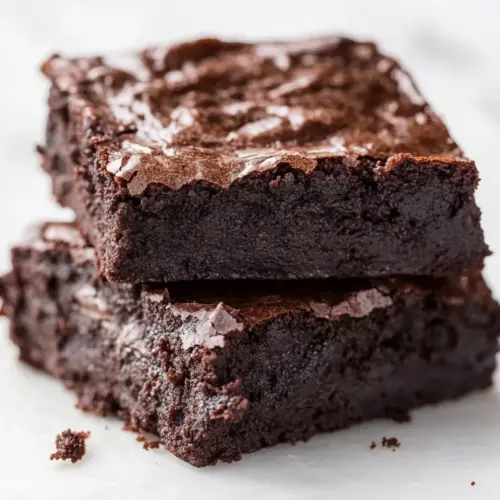
Flourless Healthy Pumpkin Brownies
Flourless Healthy Pumpkin Brownies are fudgy and chocolate forward, with a silky texture from pumpkin and almond butter. These easy, naturally sweetened bars are perfect for fall gatherings and weeknight baking, offering a healthier twist on a classic treat. Make them for a crowd or a cozy night in to enjoy a comforting dessert that still feels light.
Equipment
- 9-inch square baking pan
- Parchment Paper
Ingredients
- 1 cup pumpkin puree Adds moisture and a subtle earthy sweetness while providing a low-fat base that helps bind the batter and keep the brownies tender; works as a healthier substitute for oil or butter and contributes to a dense, fudgy texture.
- 1 cup unsweetened almond butter Supplies natural creaminess and healthy fats to create a rich, fudgy structure while also acting as a binder; its nutty flavor complements pumpkin and cocoa for depth of taste.
- 2 large eggs Provides structure and lift by coagulating proteins during baking; helps set the brownies and contributes a slightly richer texture and added protein to the final loaf.
- 2/3 cup pure maple syrup Imparts sweetness and a hint of caramel flavor while keeping the recipe refined-sugar free; helps maintain moisture and a chewy, fudgy crumb through its liquid consistency.
- 2 tsp pure vanilla extract Enhances overall flavor with warm, floral vanilla notes that amplify sweetness perception; balances and rounds out the chocolate and pumpkin flavors for a more complex profile.
- 2/3 cup cocoa powder Delivers deep chocolate flavor and color while contributing dry bulk to the batter; helps create the characteristic brownie bitterness and intensifies the fudgy mouthfeel when combined with wet ingredients.
- 1/2 tsp baking soda Acts as a leavening regulator to provide slight lift and counteract acidity, helping the brownies rise modestly; also aids in creating a delicate crumb without producing a cake-like texture.
- 1 tsp pumpkin pie spice Introduces warm, aromatic spice mix that complements pumpkin and chocolate, adding cozy autumnal flavors; helps elevate complexity and enhances perceived sweetness without extra sugar.
- 3/4 tsp sea salt Balances sweetness and amplifies flavors by providing a mineral-rich salty contrast; helps intensify chocolate notes and rounds out the overall taste profile.
- 1 cup chocolate chips Melts into pockets of gooey chocolate, contributing bursts of sweetness and a luxurious texture contrast; also adds additional chocolate flavor and visual appeal when distributed through the batter.
Instructions
- Preheat the oven to 350 degrees Fahrenheit and line a 9” x 9” square baking pan with parchment paper.: You should feel the warmth of the oven as it ramps up, and when the air inside smells faintly warm, you know it is approaching temperature. This preheating ensures even baking and that the brownies set uniformly. Lining the pan with parchment paper creates a nonstick surface and makes removal simple, so you avoid tearing edges. A common mistake is underestimating oven heat variation, so I recommend placing your rack in the center to prevent overly browned tops. If your oven runs hot, lower the rack one position to reduce direct heat exposure.
- Mix the pumpkin puree, almond butter, eggs, pure maple syrup, and vanilla extract in a mixing bowl until well-combined. Note: If the almond butter has been chilling in the refrigerator or seems hard, microwave it for 30-60 seconds, or until it is easy to stir.: As you stir, notice the batter becoming glossy and slightly thick, with a uniform color and no streaks of almond butter. The aroma will be a soft, nutty sweetness with hints of maple. This wet mixture is the recipe's backbone, helping bind the cocoa and chips later. If the almond butter is chilled and resistant, warming it briefly will ease mixing and prevent lumps. Avoid overbeating which can incorporate excess air and make the surface crack.
- In a separate bowl or measuring cup, mix together the cocoa powder, pumpkin pie spice, baking soda, and sea salt.: You will see the texture loosen and shimmer slightly when it is warm enough to stir smoothly. This prevents cold pockets of nut butter that can leave uneven texture in the finished bars. Be careful not to overheat, as very hot almond butter can cook the eggs when combined, leading to a grainy batter. A quick stir test is useful, the nut butter should slide off the spoon with gentle pressure.
- Transfer the dry ingredients to the bowl with the wet ingredients and mix well until a thick, smooth brownie batter forms. Mix in the chocolate chips (if adding).: As you whisk these dry elements, watch for a fine, even distribution and inhale the concentrated scent of chocolate and spice. This step assures no clumps of cocoa or pockets of baking soda remain, which would create uneven taste or sudden lift. Sifting can help if your cocoa is compacted. A common error is skipping this step, which leads to streaks of powder in the batter, so take a few extra seconds to blend thoroughly.
- Spread the brownie batter in an even layer in the prepared baking dish. Bake on the center rack of the preheated oven for 18-25 minutes, or until the brownies reach your desired level of doneness. For fudgy brownies, bake 18-20 minutes, and for less gooey brownies, bake 21 to 25 minutes.: After combining, the batter should be velvety and cohesive, slightly thick but pourable. You will notice the chocolate chips creating little islands of deeper color that contrast with the brown batter. The motion of folding keeps the chips intact and distributes them evenly. This technique matters because overmixing can deflate the batter and lead to drier brownies. If you see streaks of dry powder, continue folding gently until they disappear, but stop once the texture is uniform.
- Remove the brownies from the oven and allow them to cool for at least 15 minutes before slicing and serving. Heads up: gooey brownies won’t slice as cleanly if they are still warm.: As the pan goes into the oven the surface will set and a faint crust begins to form, often with tiny cracking. For a gooey center aim for the lower end of the time range, you will notice the middle still jiggles slightly when gently nudged. For firmer, sliceable brownies wait toward the higher end and look for a more solid center with a tender crumb. Avoid opening the oven too often which lets heat escape and can extend bake time. If your edges brown quickly while the center is underdone, lower the oven temperature slightly and lengthen the bake time to encourage even cooking.
- Remove the brownies from the oven and allow them to cool for at least 15 minutes before slicing and serving: Cooling is when structure finishes setting, and you will notice steam subside and the interior firm up to a pleasant chew. Cutting too soon results in gooey, messy slices, so patience yields neater squares. When cooled, the aroma will be more balanced, with chocolate and spice notes emerging. A frequent mistake is impatience at this stage, so set a timer if you tend to rush; waiting makes the difference between a proper bar and a sticky slice.
Notes
- Boost nutty depth — Stir in a tablespoon of toasted almond meal to the batter for a slightly more textured, nut forward profile without changing the core method.
- Swap sweetness level — Reduce the pure maple syrup by one to two tablespoons if you prefer less sweetness, but be mindful that this will subtly firm the crumb.
- Chocolate intensity — Use darker cocoa powder or higher percentage chips to deepen the chocolate note, which pairs especially well with the pumpkin spice.
- Make them portable — After cooling fully, wrap individual squares in parchment for easy gifting or lunchbox treats that travel without sticking.
- Dress them up — Sprinkle a few extra chocolate chips or a light dusting of cocoa on top before baking for a prettier finish and extra melting pockets.
- Adjust spice — If you love warm spice, increase the pumpkin pie spice by a quarter teaspoon, but add gradually to avoid overpowering the chocolate.