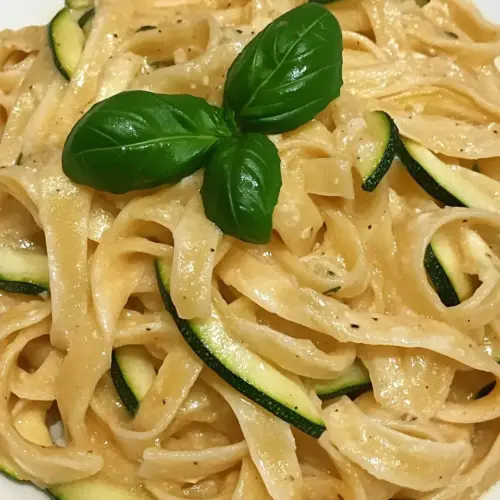
Fettuccine with Zucchini and Onions
Fettuccine with Zucchini and Onions is a light, savory summer pasta with silky fettuccine, tender matchstick zucchini, and sweet sautéed onion. This easy weeknight dinner feels indulgent thanks to a butter and olive oil finish, yet stays fresh and bright. Make it for casual dinners when you want comforting, seasonal flavor and a simple, shareable meal.
Equipment
- Large Pot
- Large Skillet
- Cookie Sheet
- Aluminum Foil
- Colander
Ingredients
- 2 zucchini cut in half and cut into matchsticks Cut into matchsticks to provide tender, slightly sweet zucchini ribbons that cook quickly and evenly. Add a mild vegetal flavor and light texture that complements pasta without overpowering other components. Release moisture while sautéing to gently deglaze the pan and help form a subtle sauce for the fettuccine.
- 1 small peeled and thinly sliced yellow onion Peel and thinly slice to contribute a sweet, savory backbone with delicate layers that caramelize when cooked. Soften and brown to build depth of flavor and add a pleasant textural contrast to the zucchini. Aroma from the onion helps unify the dish and enhances the overall savory profile.
- 1 tablespoon olive oil Use to gently sauté vegetables and prevent sticking while imparting a fruity, peppery flavor. Drizzle over the pan before adding zucchini and onions so heat distributes evenly and ingredients brown properly. Serve also as a light flavor carrier that helps coat the pasta.
- 2 tablespoons unsalted butter Melt to create a rich, silky mouthfeel and glossy sauce that clings to the fettuccine. Add near the end of cooking to emulsify with pasta water and olive oil, enriching the dish with buttery depth. Browned butter notes can introduce subtle nuttiness when allowed to toast slightly.
- 1 pound fettuccine pasta Boil until al dente to form the hearty base of the dish and provide substantial bite. Toss with sautéed zucchini, onions, oil, and butter so strands capture the sauce and flavors. Serve as the primary starch that balances the vegetables and fats for a complete meal.
Instructions
- In a large pot of boiling salted water cook the pasta until al dente.: You will notice a fragrant steam rising from the pot as the salted water reaches a lively boil, and the surface will shimmer with motion. The right salt level brings out the fettuccine 's flavor, so add enough to make the water taste faintly briny like the sea. While cooking, stir occasionally to prevent strands from clinging, and taste the pasta a minute before the package time to check for al dente, which should be tender but with a slight resistance at the center. If you overcook the fettuccine , it will turn mushy and will not hold the sauce well, so drain promptly when ready. A common mistake is under salting the water, which yields bland pasta even with a flavorful sauce. Keep a small cup nearby so you can quickly test a strand, and set aside the recommended half cup of cooking water before draining for later use.
- Meanwhile in a large skillet, over medium heat, sauté the onion with the butter and olive oil. When translucent add the zucchini and continue cooking until slightly tender, 3 minutes. Turn off heat and set aside.: As the butter melts into the olive oil , you will hear a soft sizzle and smell a warm, nutty aroma as the onion hits the pan. The combined fats create a protective medium that prevents the butter from burning and allows the onion to soften evenly. Keep the heat at medium so the onion becomes translucent and lightly sweet without browning too quickly, stirring gently to ensure even cooking. Once the onion is translucent, you will notice its sharpness mellowing into sweetness, which is crucial for balancing the final dish. A common error is turning the heat too high, causing the onion to char and develop bitter notes, so lower the flame if you detect fast browning. This stage builds the flavor foundation, so patience here pays off.
- Drain the pasta, reserve 1/2 cup of cooking water. Add the pasta to the skillet with the onions and zucchini, add some of the reserved cooking water to insure the pasta is nicely moist.: The zucchini will hiss briefly as it meets the warm pan, releasing a fresh vegetal scent and a touch of steam. Cooking for about 3 minutes keeps the matchstick pieces tender yet slightly crisp, preserving their green vibrancy and preventing them from becoming waterlogged. Stir carefully so the pieces color evenly but do not collapse; you want them to keep structure so they contrast with the soft fettuccine . If the pan seems wet, increase the heat briefly to evaporate excess moisture, but avoid drying the fats completely. A common mistake is overcooking the zucchini , which makes the dish limp and watery, so watch closely and remove from heat when they give slightly under pressure.
- Place a large sheet of aluminum foil in a cookie sheet and add the pasta in the center of the aluminum foil. Cover with another sheet of aluminum foil and seal the edges well together.: The pan will still be warm enough to hold residual heat, so turning off the burner prevents further softening and preserves texture. You may notice fragrant steam continuing to rise, and that gentle warmth lets flavors mingle without pushing the vegetables into overcooked territory. This resting moment helps settle the caramelized notes of the onion and the green freshness of the zucchini . Avoid leaving the pan on hot for too long, because carryover heat can quickly over soften delicate pieces, a common pitfall. Set the skillet aside near your workstation so you can combine elements while everything remains at a complementary temperature.
- Place in the hot oven and bake for 15 to 20 minutes.: As you drain the fettuccine , you will see glossy strands tumble into the colander while a small bowl of starchy pasta water is left behind. That reserved water is a secret ingredient, full of starch that helps the sauce cling to the pasta and vegetables, creating a silky emulsion. Return the pasta briefly to the pot or a warmed bowl to maintain temperature while you finish the skillet. A mistake to avoid is discarding all the pasta water, which removes the binding agent needed to harmonize the sauce; reserve about half a cup as called for so you can adjust consistency later.
- Remove from the oven, open the foil – be careful quite hot - and place the content in a large pasta serving plate.: Once combined, you will hear a soft mixing sound as the fettuccine slides among the zucchini and onion , and the steam will carry a buttery, vegetal perfume. Adding a few tablespoons of the reserved cooking water loosens the mixture, making a glossy coating that adheres to the pasta strands and avoids a dry finish. Toss gently with tongs or forks so the sauce emulsifies, and pause to taste for seasoning. If it feels tight, add another splash of water; if it tastes flat, a pinch of salt lifts it. A common error is adding too much water at once, which dilutes the flavor, so go slowly and check texture frequently.
- Place a large sheet of aluminum foil in a cookie sheet and add the pasta in the center of the aluminum foil: Laying the pasta onto a foil lined sheet prepares it for a brief oven finish that melds flavors while keeping the dish moist. The foil acts as a steam proof vessel, locking warmth and helping the ingredients settle together. When you mound the pasta into the center, be mindful to leave some space at the edges so the foil can be sealed without spilling. The pan will feel warm under your hands, and you will notice a homogenous scent of butter and cooked vegetable when the pasta rests in the center. Avoid over packing the foil which can prevent even heating during the next step.
- Cover with another sheet of aluminum foil and seal the edges well together: Sealing the foil traps steam and creates a gentle oven bath that softens and marries the components. As you crimp the edges, you will feel the warmth inside and may observe a little condensation forming on the foil, which is a good sign that flavors are melding. Sealing well ensures the pasta steams evenly and retains moisture, preventing the top from drying out in the oven. A common oversight is leaving gaps which let heat escape and dry the pasta, so press the edges firmly together for a reliable seal.
- Place in the hot oven and bake for 15 to 20 minutes: In the oven the foil will puff slightly as steam builds, and a faint roasted aroma develops as the pasta warms through and the fats redistribute. This short bake helps flavors integrate, softens any remaining rawness in the zucchini , and gives the whole dish a uniform warmth for serving. After baking, let it rest briefly to allow steam to settle so you avoid the rush of scalding vapors when opening. A common mistake is leaving it in too long which can over soften the pasta and evaporate moisture, so time it carefully and check at the earlier end if uncertain.
- Remove from the oven, open the foil – be careful quite hot - and place the content in a large pasta serving plate: When you open the foil you will be greeted by a burst of warm steam and a comforting aroma. Use tongs or a wide spoon to transfer the fettuccine mixture to a large serving dish, allowing the steam to continue releasing so the pasta does not become soggy. Serve immediately while warm, and take a moment to taste for final seasoning balance. A common safety misstep is reaching directly over the foil and breathing the steam, which can burn, so open with care and tilt the foil away from you. Present the pasta in a shallow bowl to showcase the strands and vegetables, inviting people to dig in.
Notes
- Shorten the bake time if you prefer a quicker finish, check at 10 minutes to preserve a firmer texture in the zucchini.
- Use whole grain or alternative pasta to boost fiber or change the mouthfeel, but watch cooking times as they may differ from standard fettuccine.
- Double the vegetables for a lighter, more vegetable forward plate, but reserve extra pasta water to maintain a silky sauce.
- Finish with a flavored oil after baking for an aromatic lift, drizzle sparingly to avoid overpowering the delicate zucchini.
- Prep vegetables ahead and refrigerate, then finish on the stove and bake before serving to save time on dinner nights.