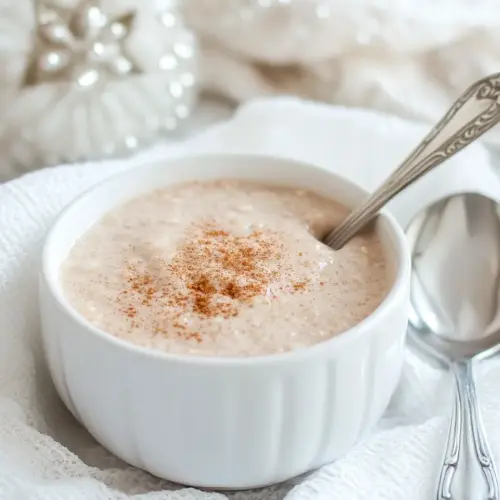
Farina Spiced Cream of Wheat Porridge
Farina Spiced Cream of Wheat Porridge is a creamy, warmly spiced bowl that comforts on cold mornings. Silky milk and tender farina meld with aromatic cinnamon, clove, and brown sugar for an easy breakfast that feels luxurious. Perfect for a cozy winter start or an easy weeknight comfort meal, this recipe is quick to make and wonderfully satisfying.
Equipment
- Saucepan
- Wooden Spoon
Ingredients
- 3 cup milk (whole or skim) Warm and creamy, provides the liquid base and rich texture for the porridge while contributing natural dairy sweetness; can be whole or skim to adjust creaminess and calorie content. Heat gently to avoid scalding and to ensure smooth incorporation of the farina for a silky final porridge. Milk also helps distribute spices and sugar evenly throughout the dish.
- 11/2 cup farina,(cream of wheat) Fine semolina-like cereal that thickens into a smooth, comforting porridge when cooked with milk; dissolves and swells to create the characteristic body of cream of wheat. Stir continuously while adding to hot milk to prevent lumps and achieve a uniform, velvety texture. Adds mild wheat flavor and substantial bulk to make the porridge hearty and satisfying.
- 1/2 teaspoons alt Lightly seasons the porridge, enhancing and balancing the sweetness and warm spices with a subtle savory note; helps bring out the full flavor profile. Use sparingly and taste as you go to avoid over-salting, especially if using salted butter elsewhere. Salt also affects the perception of sweetness and richness.
- 1/2 teaspoon vanilla extract Adds a fragrant, sweet, floral flavor that brightens the porridge and complements cinnamon and nutmeg; vanilla helps round out the overall taste. Stir in near the end of cooking to preserve its aromatic qualities and prevent loss of volatile compounds. Use pure extract for the best depth of flavor.
- 3 stickscinnamon Publishes intense warm, woody flavor and aroma that defines traditional porridge spice; use stick form to infuse liquid slowly and remove before serving. Simmer whole sticks in milk to release nuanced cinnamon oils without over-powdering the texture. Cinnamon also pairs well with brown sugar and nutmeg for classic breakfast notes.
- 1/4 teaspoon clove powder Delivers concentrated warm, slightly bitter spice notes that deepen the porridge's flavor when combined with cinnamon and nutmeg; use sparingly due to potency. Dissolve into the milk mixture while cooking to integrate fully and avoid gritty pockets. Clove powder adds complexity and a subtle peppery finish.
- 1/2 cup brown sugar Contributes caramel-like molasses sweetness and a touch of moisture that complements the wheat base and spices; helps sweeten and brown the porridge slightly. Stir in during or after cooking to taste, allowing its flavor to meld with the milk and farina. Brown sugar also enriches the overall color and aroma.
- 2 tablespoons alted butter Provides a rich, buttery mouthfeel and savory depth that enhances creaminess and satiety; adds fat and flavor to the finished porridge. Melt into the porridge at the end of cooking so it blends smoothly and creates a glossy texture. Salted butter also adds seasoning but be mindful of total salt.
- 1/4 teaspoon nutmeg (freshly-grated) Offers warm, slightly sweet and nutty aroma when freshly grated, elevating and brightening the spice blend with aromatic top notes; a little goes a long way. Grate fresh nutmeg over the finished porridge to preserve volatile oils and maximize fragrance. Enhances complexity and pairs beautifully with cinnamon and brown sugar.
Instructions
- In a medium-sized saucepan combine milk, cream of wheat, salt, vanilla, cinnamon sticks, clove powder, 2 cups of water, and half the sugar. Stir until the sugar has dissolved and taste (it's safe to do so), add more sugar if you find it necessary (I found 1/2 cup too sweet, but too sweet is the preferred sweetness for some people, so do it to your taste). Let it rest for 5 minutes.: Right away you will notice the aroma begin to build as the milk and cinnamon mingle, a soft fragrant steam rising from the pot. The resting period lets the farina hydrate slightly so that when heat is applied it cooks evenly rather than clumping. As the mixture sits, tap the saucepan lightly and you may hear a subtle quiet, indicating the grains are absorbing liquid. A tip I use is to whisk after the rest to ensure uniform distribution of the grains; if you skip this, you risk having dense pockets of undercooked farina. One common mistake here is rushing to turn on the heat while the grains are not evenly moistened, which leads to uneven cooking and a grainy finish. Pay attention to the dissolved sugar; it should no longer feel gritty against the spoon, which tells you the base has integrated properly.
- Heat over medium heat stirring constantly to prevent it from sticking to the pot. When it breaks the boil, add butter and lower the heat to very low. Simmer stirring until it reaches the desired consistency, taking into consideration it will get much thicker when it cools down. I suggest a thick but still liquid consistency.: As the pot warms on medium, you will hear a gentle, consistent sound as bubbles begin to form around the edges, and a rotating ribbon of steam will lift from the surface. Continuous stirring is essential here to keep the farina from settling and scorching on the bottom, which would introduce a bitter, burnt note. When you see the mixture briefly come to a rolling point of small bubbles across the surface, that is the moment to add the butter , which will melt and create a glossy sheen. Reducing to very low lets the porridge finish cooking slowly, yielding a velvety texture rather than a gummy one. Watch for visual cues, like the porridge becoming opaque and thick enough to coat the back of a spoon, while still flowing slowly. A frequent error is cooking too long on high heat, which tightens the starches and leads to a pasty texture. If you notice sticking despite stirring, lower the heat and stir more deliberately in long figure eight motions to redistribute heat evenly.
- Remove from the heat and pour into individual servings, and sprinkle with the nutmeg. Serve warm.: Once removed from the heat, the pot releases a last round of steam carrying the rich notes of clove and cinnamon . Pouring into bowls, you will see the porridge smooth out and settle, giving a glossy surface where the butter has emulsified into the grain. The final dusting of freshly grated nutmeg adds a bright, aromatic top note that you will notice on the first breath before the first spoonful. Serve while warm so you experience the full texture and fragrance; as it cools the porridge firms and the spices become a bit more subdued. A common misstep is letting it sit too long before serving, resulting in a set, thick consistency that loses some of its silkiness. If it thickens more than you like, gently rewarm with a splash of hot milk and stir until smooth.
Notes
- Warm the milk first — Gently warming the milk before adding the farina prevents temperature shock and reduces the chance of lumps forming, creating a silkier porridge.
- Break the cinnamon sticks — Slightly bruising the cinnamon sticks releases more aromatic oils during the simmer, deepening the spice profile without overpowering the bowl.
- Stir with intention — Use steady, continuous stirring while cooking to avoid scorching and to achieve a uniformly smooth consistency, which is key for a pleasant mouthfeel.
- Adjust sweetness slowly — Add the brown sugar in stages and taste between additions, because personal sweetness preferences vary and it is easy to overshoot.
- Finish with fresh nutmeg — Grating nutmeg at the end preserves its volatile aroma so the final bowl has a bright, fragrant top note that elevates the whole dish.