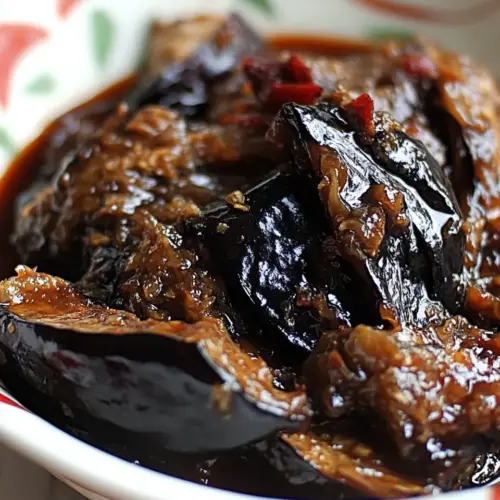
Eggplant Jam
Eggplant Jam is a smoky savory spread made from roasted eggplant, garlic, paprika, and a touch of lemon for brightness. This silky spread is great on toast or as part of a mezze board, offering deep roasted notes and balanced spice for an easy weeknight treat or casual entertaining option. Make a batch to keep on hand for quick, flavorful additions to meals.
Equipment
- Baking Sheet
- Colander
- Skillet
- Mixing Bowl
- Fork or Potato Masher
Ingredients
- 3 medium eggplants Peel and cube or slice to provide the jam’s main body and silky texture when roasted or cooked down.
- kosher or sea salt, or similar flaky salt Season generously to draw out moisture from the eggplant and to enhance savory depth during cooking.
- olive oil Sauté or brush to prevent sticking and to add fruity, rich fat that carries flavors throughout the jam.
- 2 cloves garlic, peeled and minced Mince finely to lend aromatic pungency and a savory backbone that melds into the jam as it simmers.
- 2 teaspoons paprika Sprinkle in to contribute a warm, smoky flavor and mild heat that deepens the jam’s overall profile.
- 1 teaspoon ground cumin Measure and add to impart earthy warmth and a slightly nutty, toasted nuance that complements the paprika.
- 1/8 teaspoon ground cinnamon or allspice Use sparingly to introduce a faint sweet-spicy note, brightening the jam with aromatic complexity.
- 1/8 teaspoon harissa, or hot sauce Include a small amount to provide a touch of heat and subtle fermented or fruity spice depending on choice.
- 1/4 cup (60 ml) water Pour in to adjust consistency and help deglaze the pan, ensuring ingredients meld into a cohesive jam.
- 2 tablespoons fresh lemon juice Stir in for acidity and brightness that lifts and balances the richness of the eggplant and oil.
- 1 tablespoon chopped parsley Fold through at the end to add fresh herbal brightness and a pop of color to the finished jam.
- Optional: Pomegranate molasses for serving (see Note) Drizzle over when serving to add concentrated sweet-tart complexity and an attractive glossy finish.
Instructions
- Rinse and dry the eggplants, then use a vegetable peeler to remove the peel in vertical strips, leaving about an inch (3 cm) of space between each peeling. Slice the eggplant lengthwise, about 1/2-inch (2 cm) thick.: The kitchen will fill with a lightly vegetal scent as you work, and the peels coming away in strips lets the smoky flesh roast directly to the heat, producing caramelized edges. This peeling pattern also helps the slices cook evenly, locking in moisture pockets while the exposed flesh browns. A common mistake is leaving slices too thick which delays roasting, so aim for even, consistent thickness. If the slices feel slimy, pat them dry to help the oil adhere and promote browning. Use a firm pressure when slicing so you maintain structural pieces that are easy to flip on the baking sheet.
- Sprinkle a modest amount of salt on the eggplants and let stand vertically in a colander for about 30 minutes, shaking it every once in a while over the sink to extract some of the eggplant juices.: You will notice droplets forming and a faint briny aroma as the salt draws moisture out, which concentrates flavor and reduces the risk of a watery jam. Shaking the colander occasionally helps release liquid and prevents pooling which can rehydrate the flesh unevenly. The key why here is that dewatering improves texture during the final reduction, it encourages the flesh to soften rather than steam. Avoid over salting, because the upcoming reduction will intensify saltiness, and rinse only if the eggplant tastes overly salty after the rest and before roasting.
- Preheat the oven to 375ºF (190ºC). Brush two baking sheets fairly well with olive oil and lay the eggplant slices on the baking sheets in a single layer, then flip them over.: Warm air will begin coaxing moisture from the eggplant , and the olive oil on the pan promotes even browning and prevents sticking. You should hear a faint sizzle when the slices hit the oiled sheet, and the surface will take on a matte sheen that preludes caramelization. An error to avoid is crowding the pan which causes steaming instead of roasting, so give each slice room. If the oven temperature is inconsistent, rotate trays halfway through baking to maintain even results.
- Bake the eggplants for about 25 minutes, flipping them on the baking sheets midway during baking.: The aroma will shift from fresh to toasted as sugars begin to concentrate, and the edges should take on a soft, golden color. Flipping ensures both sides get direct heat and promotes uniform collapse of the flesh. You want a tender center and slightly charred edges for complexity. If the slices brown too quickly, tent loosely with foil and continue baking at the same temperature, since aggressive charring changes the flavor profile from roasted to bitter.
- Once the eggplants are cooked, put them in a large bowl with the garlic, paprika, cumin, cinnamon or allspice, harissa, and water, and mash them well with a fork or potato masher. (Not all the eggplant skins will break up into little pieces. They do get rather soft during the double cooking, but if you’re the kind of person bothered by them, you can briefly pulse the cooked eggplant in a food processor or chop it on a cutting board with a chef’s knife.): The mash will smell aromatic and savory as the spices bloom into the warm eggplant , and the texture should be mostly smooth with some skin pieces for body. This blending step lets the seasonings distribute thoroughly so every bite is balanced. If you prefer an ultra smooth jam you can briefly pulse in a food processor, but over processing can make the mixture gluey. Resist the urge to add too much liquid at this stage, because the stovetop reduction needs to concentrate those flavors.
- Heat a few tablespoons of olive oil in a skillet and cook the mashed eggplant mixture on rather low heat, stirring frequently so it doesn’t scorch on the bottom. It tends to stick a bit, but just scrape in those brown bits which might form on the bottom of the pan.: A low, steady simmer allows water to evaporate slowly while flavors meld, and the smell will deepen into toasted, savory notes. Scraping the pan releases fond which adds complexity to the jam, and frequent stirring prevents sticking. The objective is a gradual thickening rather than a rapid boil which can separate the oil and produce an oily finish. If the mixture begins to stick aggressively, lower the heat and add a splash of water, stirring to deglaze and recover the fond without burning.
- Continue to cook the eggplant until it’s thick and most of the moisture is removed, about 20 minutes. Stir in the lemon juice and let cook another minute, then remove from heat and add the parsley. When cool enough to taste, check and add a bit of salt and lemon juice. Serve drizzled with pomegranate molasses, if you wish.: As moisture diminishes you will see the jam pull away from the sides of the skillet and the scent will become richly savory. The final minute with lemon juice brightens the concentrated flavors and the quick return to heat helps incorporate the acidity without curdling any residual oil. Adding chopped parsley off heat preserves freshness and color so the jam does not look dull. A typical pitfall here is overcooking to the point it becomes dry and pasty, so watch for a glossy sheen which signals readiness.
- When cool enough to taste check and add a bit of salt and lemon juice Serve drizzled with pomegranate molasses if you wish: The cooled jam will be luscious and layered, and tasting at this stage ensures the seasoning is balanced. Small adjustments of salt or lemon juice can transform the profile, so tweak incrementally. Pomegranate molasses, if used, offers a tangy contrast and a beautiful visual finish, but use sparingly to let the roasted eggplant remain the star. The main mistake to avoid is adding too much acidic syrup which can overwhelm the spices and make the jam one note.
Notes
- Salt with restraint Salt helps draw out moisture and concentrate flavor, but the reduction amplifies saltiness so add sparingly at first and adjust at the end.
- Even slicing matters Aim for uniform thickness when cutting the eggplant, this ensures consistent roasting so some pieces do not overcook while others remain underdone.
- Low and slow reduction Cook the mashed mixture on low heat and stir frequently to avoid scorching, the slow evaporation is what creates a jam like texture rather than a watery mash.
- Use good quality olive oil The oil will influence mouthfeel and flavor, so choose one with a profile you enjoy since it joins the spices and roasted eggplant.
- Finish with acid and fresh herbs A bright splash of lemon juice and a handful of chopped parsley at the end lift the jam and keep it tasting lively after reduction.