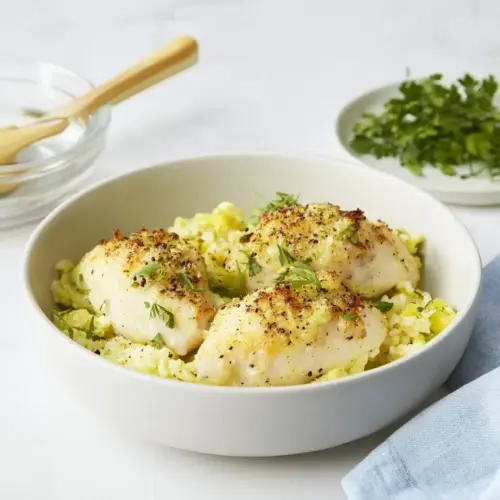
Easy Weeknight Family Dinners
Easy Weeknight Family Dinners is a creamy, comforting pasta supper that comes together fast using pantry staples like milk, broth, and cheddar cheese. This easy weeknight dinner is perfect for busy families who want a cheesy, satisfying meal with minimal cleanup, and it makes great leftovers for quick lunches the next day.
Equipment
- Calphalon 5-Quart Pot
- Storage Containers
Ingredients
- 2 cups milk (I use whole milk) Provide creaminess and richness to the dish while contributing moisture and helping create a smooth sauce when heated and combined with cheese and butter.
- 1 1/2 cups reduced sodium chicken or vegetable broth (or water) Add savory liquid base and subtle depth of flavor while thinning the sauce; choose reduced sodium broth or water to control saltiness and keep flavors balanced.
- 8 ounces elbow or mini shell pasta Cook into tender pasta that soaks up the sauce and provides bulk and texture to the meal; small shapes like elbows or mini shells trap sauce for every bite.
- 1/2 teaspoon salt Enhance overall seasoning and bring out other flavors; a measured amount prevents the dish from tasting flat while keeping sodium in check.
- 10 ounces frozen broccoli or peas (optional) Introduce bright color, mild sweetness, and a vegetable boost; frozen broccoli or peas thaw and heat quickly, adding nutrition and pleasant texture.
- 1 cup shredded cheddar cheese (feel free to double this to make it even cheesier) Contribute sharp, melty cheese flavor and creamy texture; increasing the amount intensifies cheesiness and helps the sauce bind to the pasta.
- 1 tablespoon unsalted butter Offer silky richness and help emulsify the sauce; melting butter adds flavor and smooth mouthfeel while aiding browning if used.
- 1 tablespoon cream cheese Lend tangy creaminess and extra silkiness to the sauce; a small amount melts in to round flavors and improve texture without overpowering.
- 1/4 teaspoon onion powder (optional) Provide a gentle savory note that enhances overall flavor; sprinkle in small amounts to add onion-like warmth without affecting texture.
Instructions
- Add the broth and milk to a large pot set over high heat. Bring just to a boil, then reduce to medium-high.: You will notice steam rising and the aroma of warm milk and broth mingling, a sign the liquid is nearing the right temperature. The brief rapid bubble at the start helps kick the cooking process, but you want to lower to medium-high so the liquid simmers steadily, not vigorously boil. This gentler simmer protects the texture of the milk and prevents scorching at the bottom. A common mistake is keeping the pot at full boil, which can lead to curdling or scorching, so reduce the heat as soon as it bubbles.
- Stir in the pasta and salt, and simmer for 10-12 minutes, stirring occasionally or until the pasta is just soft. (The liquid will not be totally absorbed and that is okay—it will be by the end of the process!): As the pasta hits the warm liquid, you will hear a soft bubbling and see tiny foam rings form, signaling starch release. Stirring every few minutes prevents the pieces from clumping and ensures an even cook. The salt in the water seasons the pasta from within, which makes each bite more flavorful. Watch the texture closely near the lower end of the time window, and test a piece so it is tender but still has a little bite. Overcooking can produce mushy texture, while undercooking leaves the center chalky.
- Meanwhile, steam or otherwise warm the broccoli or peas if using. Drain. Cut up the broccoli, if using.: Warming the frozen broccoli or peas first makes sure they retain color and texture once combined. Steaming preserves bright green hues and gives a clean vegetal scent, whereas boiling can soften them too much. After steaming, drain well so extra water does not dilute the sauce. If using broccoli florets, cut them to bite size so every forkful has a good balance. A slip here is adding vegetables straight from frozen without draining, which can water down the final sauce.
- Turn the heat off under the pasta and stir the cheese, broccoli, butter, cream cheese, and salt into the mixture. Taste and season with additional salt as needed. Serve.: With the pot off the heat, the residual warmth is perfect to melt the cheddar cheese and cream cheese into a silky emulsion. You will see glossy ribbons form as the cheeses soften into the liquid, and the aroma of melted cheddar cheese will bloom. Adding the butter at this stage enriches the mouthfeel, and folding in the prepped broccoli or peas keeps them vibrant. Taste carefully before adding more salt , because the cheeses can contribute saltiness. A typical error is returning the pot to high heat to melt the cheese, which can separate the fats and make the sauce grainy, so keep it off heat and stir gently.
- Serve.: The final sensory cue is the way the glossy sauce clings to each piece of pasta , and how the steam carries the blended aromas of cheddar cheese and butter. Spoon portions into bowls so each serving has a balance of pasta and vegetables. Let the dish rest a minute to settle; this short pause allows the sauce to thicken slightly. Avoid covering hot containers tightly right away because trapped steam can make the pasta overly soft.
Notes
- Prep your vegetables first — If you steam or warm the broccoli or peas while the pasta cooks, everything comes together hot and evenly. This saves time and prevents cold pockets in the final dish.
- Low and slow melting — Remove the pot from heat before adding the cheddar cheese and cream cheese to keep the sauce smooth. High heat can make the cheese separate, so use residual warmth for a glossy finish.
- Control salt with broth choice — Choosing reduced sodium broth helps you avoid over salting. Taste before adding extra salt, because the cheeses contribute more sodium than you might expect.
- Stir frequently but gently — Regular stirring while the pasta simmers prevents clumping and ensures even starch release without breaking the pasta shapes.
- Adjust cheesiness to taste — Start with the called for cheddar cheese and add more if you want a punchier, richer finish. Grate your own for the best melt and flavor.