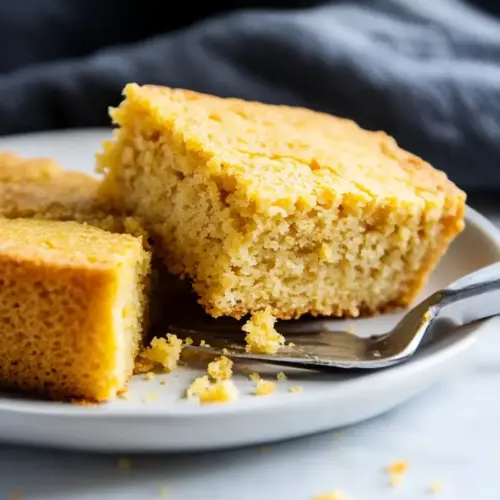
Easy Sweet Vegan Cornbread with Applesauce
Easy Sweet Vegan Cornbread with Applesauce is a moist, tender vegan bake that blends cornmeal and light flours for a soft crumb. Naturally sweetened with applesauce and agave, it offers a golden top and comforting corn flavor, perfect for easy weeknight baking or a fall brunch. Try it for a simple, crowd pleasing treat that's simple to make and satisfying to serve.
Equipment
- 8x8-inch Baking Pan
- Parchment Paper
- Large Mixing Bowl
- Medium mixing bowl
- Whisk
- Measuring Cups and Spoons
Ingredients
- 1 cup yellow cornmeal (162 grams) gluten-free, if needed Provides a hearty, slightly gritty texture and classic corn flavor while contributing structure and bulk to the batter; opt for yellow cornmeal for sweetness and choose gluten-free if needed to accommodate dietary restrictions.
- 1/2 cup non-GMO cornstarch (71 grams) Adds lightness and helps absorb moisture without adding gluten, supporting the crumb structure in this gluten-free-friendly recipe; non-GMO labeling ensures a more natural corn-derived starch.
- 1/2 cup raw organic cane sugar Sweetens the cornbread and helps create a tender crumb by interacting with the liquids and fats; raw organic cane sugar gives a subtle molasses undertone and dissolves during mixing.
- 6 tablespoons oat flour (42 grams) gluten-free, if needed. Click to see how to make your own! Contributes a mild, nutty flavor and additional structure while increasing the batter’s thickness; oat flour helps tenderize the crumb and is a good gluten-free binder when needed.
- 2 tablespoons white rice flour (18 grams) Provides delicate, fine texture and helps lighten the mix while contributing a bit of starch-based structure; white rice flour blends well with other gluten-free flours to improve crumb.
- 2 teaspoons baking powder Leavens the batter by releasing carbon dioxide when activated, creating rise and a lighter, airier cornbread texture; use fresh baking powder for best rising results.
- 1 1/4 teaspoons salt Balances flavor by enhancing savory notes and controlling sweetness while also strengthening gluten-free batter structure; salt is critical for overall taste perception.
- 1 teaspoon xanthan gum (vegan-friendly) Stabilizes and improves the texture of gluten-free batters by mimicking the binding properties of gluten, helping hold the cornbread together and preventing crumbliness.
- 1/2 teaspoon baking soda Works with acidic ingredients to produce additional lift and a tender crumb by reacting to release carbon dioxide; baking soda helps neutralize any acidity from applesauce.
- 1/2 cup unsweetened applesauce Adds moisture, natural sweetness, and a bit of fruit flavor while also acting as an egg replacer to bind and tenderize the cornbread in this vegan recipe.
- 1/3 cup vegan buttermelted Provides richness and fat for tenderness and mouthfeel while helping to brown the crust; melted vegan butter contributes buttery flavor without dairy.
- 3 tablespoons agave Adds extra sweetness and moisture while contributing a light, floral sweetness that blends well with applesauce and cornmeal; agave helps keep the cornbread moist overnight.
Instructions
- Preheat your oven to 350 degrees Fahrenheit and line the bottom of an 8×8-inch pan with parchment paper, rubbing the sides with oil.: When the oven reaches 350 degrees Fahrenheit , you should feel a steady warmth radiating when you open the door for a brief moment, and the air will carry a faint dry heat smell. Lining the pan with parchment and oil ensures the edges release cleanly and the bottom does not stick, keeping the top intact when you invert or slice. This setup helps the cornbread bake evenly from all sides, giving a uniform crust and a moist center. A common mistake is not preheating, which leads to uneven rise and a dense center, so wait until the oven registers the temperature. Also, using a pan that is too large will thin the batter and change baking time, so use the correct 8×8 size for the expected depth and texture.
- In a large bowl, whisk together all the ingredients, up to the applesauce.: As you whisk the cornmeal , cornstarch , sugar , oat flour , white rice flour , baking powder , salt , xanthan gum , and baking soda , you will notice a uniform pale yellow mixture with tiny specks of grain from the cornmeal . The whisking aerates the dry mix slightly, which helps with an even lift and prevents clumps of leavening. You should hear a light rustle as the whisk moves through the dry ingredients, and the aroma is mostly of raw grain with a whisper of sweetness. The reason to combine the dry ingredients thoroughly is to ensure each spoonful of batter contains balanced leavening and seasonings, which makes the bake consistent. A common error here is failing to break up clumps, especially in cornmeal or flour, which can leave pockets of dense texture; take the extra moment to whisk well.
- In a separate medium bowl, whisk together the applesauce, butter, and agave until well mixed. Pour over the dry ingredients and stir until combined. Your batter will be quite thick.: When you whisk the unsweetened applesauce with the warmed, melted vegan butter and viscous agave , the mixture becomes glossy and slightly fluid, with a pale amber sheen from the sweetener. The ingredients should merge into a homogeneous wet mix, and you may notice a faint, fruity aroma from the applesauce tempered by the buttery scent. This wet blend is crucial because it distributes moisture evenly into the dry ingredients, preventing dry pockets and ensuring a uniformly soft crumb. If the melted butter is too hot, it can partially cook or change the texture of other elements, so allow it to cool slightly before whisking. A frequent misstep is adding hot butter directly to cold wet items which can create separation or an oily layer, so keep the temperature gentle.
- Spread evenly into the prepared pan and bake until a toothpick inserted in the center comes out clean, about 25-27 minutes. Let cool in the pan completely.: As you pour the wet mix over the dry, you will see the batter thicken quickly, transitioning from powder to a cohesive mass. Stirring until combined should produce a thick batter that holds shape when scooped but is not dry; you should hear a soft muffled swoosh as the spoon moves through the mixture. The applesauce hydrates the flours and the xanthan gum starts to bind the components, creating a flexible but stable batter. It is important not to overmix here, because excessive stirring can make the crumb tougher; mix just until there are no visible dry streaks. A typical mistake is vigorous mixing which can activate the xanthan too much and lead to gummy texture, so be gentle and deliberate.
- Once cool, slice and devour!: As the pan goes into the oven, you will hear a faint settling sound and soon the kitchen fills with the warm scent of baked cornmeal and sweetened butter. Watch the top for a golden hue forming and the edges beginning to retreat slightly from the pan as indicators of doneness. The 25 to 27 minutes window usually yields a tender center and a lightly browned top; a toothpick should come out clean or with just a few moist crumbs attached. The baking process creates steam from the applesauce which helps maintain moisture while the heat sets the structure. Avoid opening the oven repeatedly, as that causes temperature drops and can affect rise and texture. A common pitfall is mistaking a slightly warm center for fully set; let it finish the min recommended time and then test with the toothpick to be sure.
- Let cool in the pan completely: After removing from the oven, the cornbread will continue to set as it cools, and the crumb firms up into a sliceable texture. Cooling in the pan allows residual heat to redistribute, preventing the center from becoming gummy as it cools too quickly. You will notice the aroma mellow as it rests, and the top will feel slightly springy to the touch before coming to room temperature. If you try to slice it while too warm, the pieces can crumble or fall apart, so patience yields neater slices. One common mistake is attempting to unmold immediately, which can tear the crumb, so wait until it is thoroughly cooled to ensure clean cuts and a better eating experience.
- Once cool, slice and devour: When the cornbread is fully cool, slicing reveals a moist, even crumb with tiny pockets where the leavening lifted the batter. The texture should be tender and slightly crumbly, and the first bite offers a gentle sweetness and a pleasant corn note. Serve at room temperature or gently warmed, and you will notice the contrast between the golden exterior and the soft interior. The only real error here is overheating when reheating, which can dry the slices, so use short bursts in a low oven or quick heat in a toaster oven if you warm it. Enjoying it with a hot beverage heightens the cozy feel and brings out subtle flavors from the applesauce and cornmeal .
Notes
- Weigh flours When possible, weigh the oat flour, white rice flour, and cornmeal to ensure consistent results, because packed cups can alter hydration and crumb drastically.
- Make oat flour If you do not have packaged oat flour, pulse rolled oats in a blender until fine, and measure by weight for the same performance as store bought flour.
- Use certified gluten free products If you require gluten free baking, choose certified gluten free cornmeal and oats to avoid cross contact, which keeps the recipe safe for sensitive eaters.
- Fresh leavening matters Replace baking powder if it is older than six months, since fresh leavening is essential for the light rise this cornbread relies on.
- Gentle mixing Stir the batter until just combined to prevent over activating the xanthan gum and to maintain a tender, pleasant crumb.
- Use room temperature wet ingredients Combine the applesauce, melted vegan butter, and agave at similar temperatures to avoid separation and to ensure an even texture in the baked loaf.
- Pan size is key Use an 8×8 pan as stated to achieve the correct depth; a larger pan will thin the batter and shorten baking time, changing the texture.
- Watch the top color Check for a light golden brown and a toothpick test rather than relying solely on time, since oven temperatures vary and visual cues are reliable.
- Cool before slicing Allowing complete cooling improves sliceability and prevents the cornbread from falling apart when served, which is especially helpful if you plan to transport it.
- Freeze in portions Slice and wrap individual portions for quick reheating later, which preserves freshness and makes it easy to enjoy a warm piece anytime.