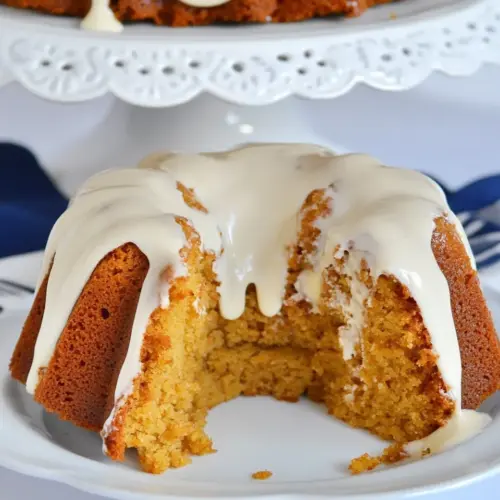
Easy Pumpkin Bundt Cake
Easy Pumpkin Bundt Cake is a moist, warmly spiced dessert with a tender crumb and optional tangy cream cheese frosting. The recipe is simple and pantry friendly, perfect for fall gatherings or an easy weeknight dessert. With familiar textures and aromas, it makes a cozy centerpiece that is worth making again and again.
Equipment
- Bundt Pan
Ingredients
- 1 -15.25 oz pumpkin cake mix a yellow or spice cake mix can also be used Provides a pre-mixed base of flour, sugar, leavening, and flavor that saves time when making the cake batter; choose yellow for a milder taste or spice for added warmth. Helps structure the cake and determine texture, absorbing liquid ingredients and contributing to rise during baking. Works as the primary dry component in the recipe and partners with eggs and oil for crumb and moisture.
- 1/2 cup sugar Adds straightforward sweetness to balance the pumpkin and spices while slightly affecting texture and browning during baking. Dissolves into the batter to help create an even crumb and can slightly increase tenderness when properly combined. Helps achieve the expected sweetness level for a classic pumpkin bundt cake.
- 1 -15 oz can pumpkin not pumpkin pie mix Contributes concentrated pumpkin flavor and moisture without added pie spices or sugar, keeping the taste pure and smooth. Provides natural moisture and body to the batter, helping produce a dense but tender cake crumb. Supplies fiber and color while interacting with the cake mix and eggs for structure.
- 1/2 cup vegetable oil Supplies fat to the batter, promoting tenderness, richness, and moistness in the finished cake; vegetable oil yields a consistently moist texture. Helps carry flavors and improves shelf life by preventing the cake from drying out quickly. Blends uniformly into the mix, ensuring even crumb and softness.
- 1/4 cup water Adjusts batter consistency and helps hydrate dry ingredients for proper mixing and structure development. Contributes minimal flavor while making it easier to combine the cake mix with pumpkin, oil, and eggs. Helps reach the batter viscosity needed for even baking in a bundt pan.
- 4 eggs Provides structure and stability through protein coagulation, aiding in the cake's rise and crumb formation when beaten into the batter. Adds richness and contributes to the cake's tender texture and aeration when mixed properly. Helps emulsify fats and liquids, improving uniformity and mouthfeel.
- 1 tsp cinnamon Adds warm, aromatic cinnamon flavor to complement pumpkin and other spices, enhancing the cake's overall spice profile. Contributes a familiar, comforting note and can slightly deepen the cake's color and perceived sweetness. Balances savory elements and supports other spices without overpowering them.
- 1 tsp and 1/2 pumpkin pie spice Enhances the cake's autumnal spice profile with a blend of warming spices that complement pumpkin and cinnamon for complexity. Adds depth and characteristic pumpkin-pie flavor, helping achieve the classic seasonal taste expected in this dessert. Use the specified amount to avoid overwhelming the cake.
- 5 oz cream cheese softened Provides a creamy, tangy base for the glaze or frosting that contrasts the sweet powdered sugar and balances richness in the topping. Softened cream cheese blends smoothly with sugar, milk, and vanilla to create a glossy, spreadable finish that complements the cake's moist crumb. Adds a subtle tang that brightens the dessert's flavor.
- 1 cup powdered sugar Sweetens and thickens the cream cheese glaze to create a smooth, sweet coating that clings to the bundt cake's surface and details. Powdered sugar dissolves more readily than granulated sugar, producing a silky texture in the frosting without grittiness. Helps stabilize the glaze and control its consistency when mixed with cream cheese and liquid.
- 2 tbsp milk Adjusts glaze consistency and adds slight creaminess to the frosting, helping achieve a pourable or spreadable texture depending on quantity. Contributes neutral flavor and helps dissolve powdered sugar for a smooth, glossy finish on the cake. Allows fine-tuning of thickness so the glaze can drip attractively over the bundt.
- 1 tsp vanilla Adds floral-sweet aromatic notes to the glaze, enhancing overall flavor complexity and complementing the pumpkin and spices. Provides a familiar baking flavor that rounds out the cream cheese and powdered sugar mixture without altering texture. Use sparingly to keep balance with the other sweet and tangy elements.
Instructions
- Preheat oven to 350 degrees F.: The oven needs to reach the correct heat so the cake sets and rises properly, producing an even crumb and a golden exterior. You should smell the faint warmth as the oven reaches temperature, and if you use an oven thermometer you will avoid underbaking. A common mistake is placing the pan in before the oven reaches full heat, which can cause the cake to bake unevenly; wait until the indicator shows ready and position the rack in the center for balanced browning.
- Combine all ingredients in a mixing bowl and mix until well blended, approximately one minute with a hand mixer.: As you mix, notice the batter becoming smooth and uniform, with no streaks of dry mix. The aroma of cinnamon and pumpkin will lift, and the texture should be thick but pourable; if it is separated or oily, check that eggs and oil were added in the order suggested to help emulsify. Avoid overmixing, which can create a dense cake; stop as soon as the batter is homogeneous, and scrape the bowl so all pockets of mix are incorporated.
- Pour batter into a bundt pan that has been generously sprayed with non-stick cooking spray.: When you pour, the batter should flow into the pan crevices, settling evenly. The sound is silent but the motion shows whether the pan was prepared well; a well greased pan prevents sticking and preserves the cake's shape. Use a spatula to even the top and tap the pan gently on the counter to release air bubbles. If the pan was not greased enough, the cake might stick and break when unmolding, so be thorough with the spray or butter and flour.
- Bake for approximately 45 minutes, or until a toothpick inserted into cake comes out clean.: During baking you will notice a warm, spicy scent filling the kitchen and the top taking on an even golden tone. The toothpick test is the critical visual cue instead of relying solely on time, since ovens vary; the center should be set and not jiggly. Avoid opening the oven too often, which can cause the cake to sink; if the edges are browning too quickly while the center is raw, lower the oven slightly for the remaining time.
- Remove from oven and allow to cool approximately 10 minutes prior to transferring cake to a plate or cake stand. Allow to cool an additional 20 minutes prior to frosting, if desired.: The cake will continue to set as it cools and you will feel a gentle change from warm to room temperature when touching the outside of the pan. Cooling briefly prevents the cake from breaking when unmolding, and the additional time before frosting avoids melting the frosting into the cake. A frequent error is removing the cake too soon, which leads to collapse or tearing; be patient and use a thin knife to loosen the edges if needed.
- Combine ingredients and mix with a hand mixer until smooth and creamy. If desired more milk can be added to create a thinner frosting.: For the frosting, you will see a glossy, silky texture develop as the cream cheese and powdered sugar come together; the aroma will be sweet with a touch of tang from the cheese. Taste for balance and add a splash of milk to adjust consistency for spreading or drizzling. If the frosting is lumpy, it usually means the cream cheese was not fully softened; let it warm slightly at room temperature and rewhip to smooth it out.
Notes
- Spice boost: Increase the pumpkin pie spice by a quarter teaspoon for a warmer aromatic profile that stands up well to a cream cheese frosting.
- Mix swap: Use a yellow cake mix instead of pumpkin cake mix for a lighter, less spiced base that still pairs beautifully with the pumpkin addition.
- Frosting texture: Add more milk a teaspoon at a time if you want a thinner glaze for drizzling down the bundt ridges.
- Presentation touch: Dust the cooled frosted cake lightly with powdered sugar for a delicate finish if you prefer a subtler sweetness.
- Make ahead: You can bake the cake a day ahead and store it covered at room temperature; apply the frosting the morning of serving for the freshest texture.