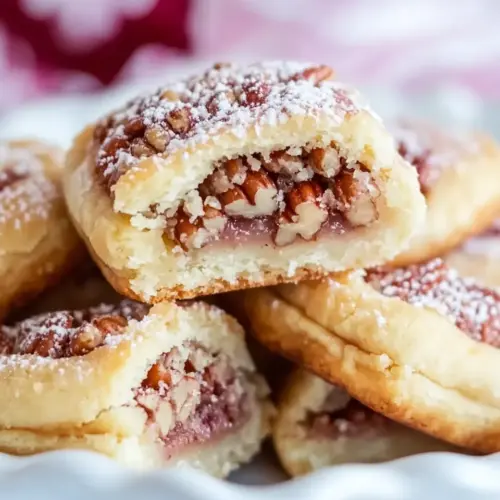
Easy Pecan Pie Crust Cookies
Easy Pecan Pie Crust Cookies are a crispy, buttery treat that capture pecan pie flavor in a quick, slice and bake cookie. Flaky pie crust, warm cinnamon, and optional toasted pecans create a delightful contrast of textures, perfect for an easy afternoon bake or a cozy holiday spread. Simple enough for last minute baking, they are a sweet reason to gather.
Equipment
- Baking Sheet
- Parchment Paper
- Rolling Pin
- Small Bowl
- Pastry Brush
- Sharp Knife
- Cooling rack
Ingredients
- 2 Pie crusts pre-made Use to form the base and structure of the cookies by providing a flaky, buttery foundation that holds the filling and toppings together; unroll and cut as directed, then press into shape for baking. Works quickly because pre-made crusts save time and ensure consistent texture compared to making dough from scratch. Handle gently to avoid overworking and to preserve the delicate flakiness during assembly.
- 1/4 cup butter melted Melt to add rich buttery flavor and help bind the sugar and cinnamon mixture to the crust, contributing to a tender texture and golden color when baked. Pour evenly over the crusts or brush on top so the filling adheres and the pecans toast slightly. Use slightly cooled melted butter to avoid soggy crust while still ensuring good incorporation.
- 1 cup granulated sugar Sweeten the filling and provide caramelization during baking, creating the classic pecan pie cookie taste and balancing the spice from cinnamon. Combine thoroughly with melted butter and cinnamon to form a cohesive, spreadable mixture that sets as it cools. Adjust amount slightly if a less-sweet profile is desired, but keep proportions for proper texture.
- 2 tablespoons cinnamon ground Add warm, aromatic spice that complements the pecans and sugar, enhancing the overall flavor profile with subtle depth and complexity. Mix evenly into the sugar and butter so the spice distributes throughout each bite for consistent taste. Ground cinnamon also contributes a pleasant color and pairs well with powdered sugar dusting.
- 1 cup pecans chopped (optional) Provide crunchy texture and nutty flavor that echoes traditional pecan pie while adding mouthfeel contrast to the flaky crust and sweet filling; include if desired for extra richness. Chop to uniform pieces so they distribute evenly and toast lightly in the oven for enhanced aroma and crunch. Omitable for nut allergies or dietary preferences, with cookies still tasting enjoyable.
- Powdered sugar Dust at the end to add a delicate sweetness and an attractive finish that balances the deeper caramel notes from the baked sugar and butter. Sift lightly over cooled cookies to avoid melting and to create a soft, snowy appearance that enhances presentation. Use as a garnish to control final sweetness and visual appeal.
Instructions
- Preheat the oven to 400°F degrees and line a baking sheet with parchment paper, set aside.: The moment the oven warms you will begin to notice a dry, toasty scent, signaling the perfect environment for crisping the pie crusts . A hot oven ensures edges brown quickly while the centers remain tender, producing a pleasing contrast. Use parchment to prevent sticking and to promote even browning. A common mistake is not preheating fully, which can result in limp or greasy cookies. If your oven runs hot, watch the first tray closely to avoid overbrowning.
- In a small bowl whisk together the granulated sugar and cinnamon.: Once mixed, the aroma of warm cinnamon will lift gently from the bowl, hinting at the flavor to come. Whisking breaks up any clumps and ensures an even spice distribution, so every bite tastes uniform. This step matters because uneven sugar enrichment can cause uneven caramelization in the oven. Avoid adding the mixture directly to a warm surface where it may clump; keep the bowl dry.
- Chop pecans (if using) and set aside.: As you chop, nuts release a toasty, slightly oily fragrance that complements the cinnamon . Uniform chopping helps the nuts incorporate into each spiral without breaking the dough when rolling. I like to tap them gently with the knife to check size consistency. A common error is leaving large chunks which can tear the dough; aim for small, even pieces for smoother rolling.
- Melt butter in a small microwavable bowl at 50 percent power until melted.: Gentle melting preserves the clean, creamy aroma of butter without introducing browned notes. The melted butter will shine and coat the pastry to help the cinnamon sugar adhere. Use low power to avoid hot spots that can bubble. If the butter bubbles or browns, let it cool a touch; hot butter can make the dough soggy and harder to seal.
- Place pie crust dough on a lightly floured surface and gently roll the dough with a rolling pin in the shape of a rectangle. Trim edges with a sharp knife as needed.: As you roll, you will feel the dough relax and the layers press together while still retaining some flakiness. Rolling into a rectangle makes for even spirals when you roll into a log. Light flour prevents sticking without drying the dough. Overworking the dough is a frequent mistake that can toughen the crust, so roll with steady, gentle pressure.
- Brush melted butter on the surface of the pie crust with a pastry brush.: The glossy sheen of the butter signals even coverage and will help the sugar and pecans adhere. Brushing also promotes faster browning and a richer mouthfeel. Work quickly so the butter does not soak through; if it soaks in, chill briefly before continuing. Avoid pooling butter in one area, which can create greasy spots.
- Sprinkle the cinnamon sugar mix over the pie crust. Top with pecans (if using).: As the sugar falls, you will see a frosted layer that sparkles slightly. Even coverage gives consistent sweetness and spice throughout the roll. Pressing gently helps the mixture stick without tearing the pastry. A common misstep is piling the filling heavily on one side, which leads to uneven rolling and inconsistent texture.
- Seal the cookie dough with a little butter and pinch the edges to seal the seam.: Pinching the seam closes the roll and traps the filling, preventing leakage while baking. The tactile action of sealing also smooths the edge so the log stays intact. A scant amount of melted butter helps the seal hold. If the seam is not sealed well, the filling can escape and create messy glazed patches on the baking sheet.
- Starting with the short end roll the pie crust dough into a log. Slice into 12 pieces.: Rolling from the short end produces tight spirals that reveal pretty cinnamon swirls. As you slice, the exposed layers should show defined rings of sugar and dough. Use a sharp knife and gentle sawing motions to avoid squashing the log. If slices compress, chill the log for a few minutes to firm up before slicing. Uneven slices will bake at different rates, so aim for similar thickness.
- Place on the prepared baking sheet and bake for 9-12 minutes or until the cookies are light golden brown.: During baking you will notice the cookies puff slightly and the edges take on a warm golden hue, while the sugar may caramelize around the swirls. This sensory cue tells you they are done. Baking too long will darken the sugar and can make the cookies overly crisp, so remove them when they are just turning golden. Ovens vary, so check at the nine minute mark.
- Cool on a baking rack and sprinkle with confectioners's sugar.: Cooling allows the cookies to set and prevents the sugar from melting into a syrupy film. The dusting of powdered sugar adds a soft sweetness and elegant finish. Wait until they are warm but not hot to dust, so the sugar settles lightly on the surface. Sprinkling while piping hot can cause the sugar to dissolve and lose its delicate appearance.
Notes
- Toast the pecans first To intensify nutty flavor, toast chopped pecans in a dry skillet for a few minutes until fragrant, then cool before using, which brings out oils and complexity.
- Use browned butter sparingly Swap melted butter for gently browned butter for a deeper, caramel like note, but cool it slightly to avoid softening the dough too much during assembly.
- Adjust cinnamon to taste If you prefer a milder spice, reduce the cinnamon slightly; for a bolder profile add a pinch more and consider a touch of nutmeg for warmth.
- Make mini or jumbo slices Slice the log thinner for petite cookies that crisp more, or thicker for a chewier center; remember baking time will change accordingly so watch closely.
- Dust with powdered sugar at serving Add the powdered sugar just before serving to keep the visual appeal and prevent it from dissolving into the warm pastry.