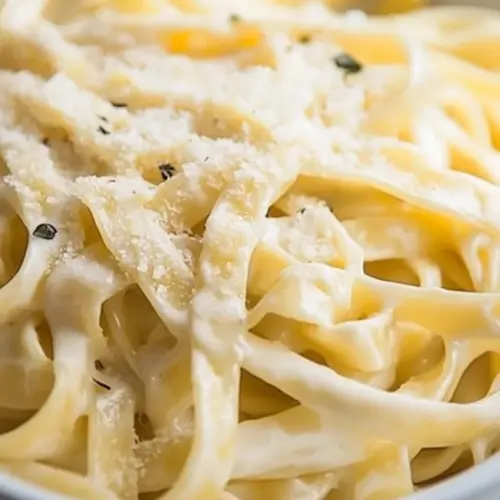
Easy Lighter Fettucine Alfredo
Easy Lighter Fettucine Alfredo is a creamy, lighter take on a classic, using cashew milk and a butter base for a silky, satisfying texture. This easy weeknight dinner comes together quickly and offers rich cheesy flavor without heaviness, perfect for busy evenings or casual entertaining. It’s indulgent, approachable, and a reason to keep good cheese on hand.
Equipment
- Large Skillet
- Whisk
- Pot for Pasta
- Colander
Ingredients
- 1 pound fettucine noodles, cooked according to package directions Cooked according to package directions to provide the tender pasta base that holds and carries the sauce; drain well to avoid a watered-down final dish and toss immediately with sauce for best texture.
- 1/2 cup unsalted butter, 1 stick Melted to create a rich, creamy fat that forms the sauce’s core; whisk with warm cashewmilk to emulsify and add depth, balancing salty cheese and seasoning for a silky finish.
- 1 cup unsweetened cashewmilk Poured warm to thin and lighten the sauce while adding a subtle nutty creaminess; choose unsweetened cashewmilk to keep flavors savory and warm gently before combining to prevent separation.
- 1 teaspoon salt, or to taste Seasoned to taste to bring out savory elements and heighten overall flavor balance; add gradually and taste as the cheese contributes additional saltiness to the sauce.
- 1/2 teaspoon pepper, or to taste Ground to taste to add mild heat and aromatic complexity; freshly adjusted pepper brightens the creamy sauce without overpowering the delicate cheese flavors.
- 1/4 teaspoon garlic powder Sprinkled for a concentrated garlic essence without the moisture of fresh cloves; garlic powder blends smoothly into the sauce and provides consistent savory background notes.
- 2 cups parmesan and pecorino romano cheese blend, finely grated (okay to use all parmesan rather than a blend) Finely grated and blended to thicken, enrich, and salt the sauce while delivering the characteristic cheesy tang; use the blend or all parmesan to achieve a nutty, savory finish and stir until fully melted.
Instructions
- Cook pasta according to package directions, drain while reserving a small bit of pasta cooking liquid; set pasta and liquid aside.: The aroma of boiling fettucine changes from raw starch to a toasty, wheaty scent when it reaches al dente, which is the moment you aim for. Reserving a small amount of the starchy cooking water is a smart trick, because that water acts like glue when you need to loosen the sauce while maintaining viscosity. Listen for the gentle bubble and watch for the pasta to plump and become slightly translucent at the edges, that visual cue tells you it is nearly done. A common mistake is overcooking the noodles, which will cause them to break down when tossed in the sauce, so check a strand a minute or two before the package time is up. Drain promptly but do not rinse, rinsing removes the starch that helps the sauce cling.
- To a large skillet, add the butter, milk, and heat over medium-low heat to melt while whisking.: As the unsalted butter melts it will release a warm, buttery scent and the surface will shimmer; add the cashew milk and whisk so the mixture becomes homogeneous. The gentle sizzle and faint steam are signs the skillet is at the right temperature, which helps integrate the dairy without breaking it. Keeping the heat at medium low prevents scorching and preserves the subtle flavors of the cashew milk . A mistake here is turning the heat too high, which can cause separation or scorching on the pan, so go low and steady and stir frequently to maintain a smooth base.
- Add the salt, pepper, garlic powder, and whisk to incorporate.: When you add the seasonings the aroma will brighten immediately as volatile compounds in the pepper and garlic powder bloom in the warm liquid. Whisking distributes these flavors evenly so every forkful tastes consistent. Taste cautiously because the upcoming cheese addition will increase overall saltiness. A common error is oversalting at this stage, which can make the sauce too sharp after the cheese melts in, so season gently and adjust later if needed.
- Turn the heat to low, add the cheese, and whisk until melted. Note that parmesan cheese isn’t an ‘easy-melting’ cheese and it’s okay to see tiny clumps.: Lowering the heat before adding the finely grated cheese is crucial, because intense heat makes the dairy proteins seize and the fat separate. As you whisk, you will notice the sauce becoming silkier and the aroma deepening into rich, nutty notes from the parmesan and pecorino . Tiny clumps are normal with these cheeses, and persistent whisking will help them integrate; the goal is a glossy appearance. If you rush this step by cranking the heat, the cheese can become grainy or stringy, so be patient and maintain a low flame for a creamy result.
- Add the pasta and stir to evenly coat. If necessary add a splash of the reserved pasta cooking water to help coat noodles for easier stirring into the cheese sauce. I haven’t needed to do this, but it’s an option in case.: As you fold the drained fettucine into the sauce, the noodles should glisten and each ribbon will pick up a glossy coating. You may hear a soft sizzle and see the sauce thicken slightly as it clings to the pasta . If the mixture feels thick or clumpy, a splash of the reserved starchy water will loosen the sauce while helping it cling, thanks to its emulsifying starch. Avoid adding too much water, or the sauce will become thin and weepy; add incrementally until the texture is harmonious and silky.
- Serve immediately. Recipe is best warm and fresh, but will keep airtight in the fridge for up to 5 days or in the freezer for 4 months. Reheat very gently prior to serving leftovers so cheese doesn’t separate.: The moment the Easy Lighter Fettucine Alfredo hits the plate you will notice the sauce’s warm, savory perfume and the pleasing sheen on the fettucine . Serve while the sauce is fluid and glossy, as the texture is at its peak. When storing, cool quickly and refrigerate in an airtight container to preserve texture, and if reheating, do so gently over low heat with a splash of cashew milk or reserved cooking water to coax the sauce back together. A common pitfall is reheating too hot or too fast, which can make the cheese separate and the sauce grainy, so warm slowly and stir frequently.
Notes
- Boost umami by using a sharper cheese blend: If you want a more pronounced savory edge, increase the proportion of finely grated pecorino romano within the 2 cups of cheese, but taste as you go to avoid over-salting.
- Control richness by adjusting the butter
- Swap non dairy milks carefully if you do not have cashew milk: Use an unsweetened, creamy option to preserve texture, but be aware that thinner milks may require a little reduction to thicken the sauce.
- Make it garlicky cautiously: Replace the garlic powder with a very small amount of sautéed garlic if you prefer a fresher bite, but add it early in the butter and milk step and keep the heat gentle to avoid bitterness.
- Stretch the sauce for more servings by keeping the proportions but adding a touch more cashew milk and using reserved pasta water to maintain the proper consistency without watering down flavor.
- Adjust salt last because the cheese contributes significant saltiness; seasoning after the cheese is incorporated gives you better control.