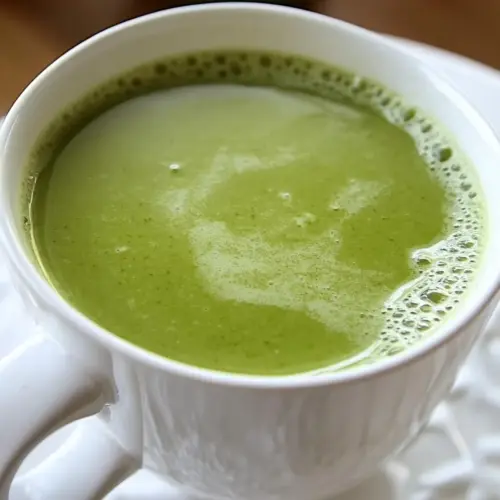
Easy Green Milk
Easy Green Milk is a creamy, refreshing plant based drink that blends almonds with verdant greens and natural sweetness from Medjool dates. It is perfect for an easy weeknight or a quick breakfast, offering a silky texture and bright flavors that hydrate and nourish. Try it for a simple, nutrient packed alternative to store bought non dairy milks.
Equipment
- High Speed Blender
- Nut milk bag
- Large Bowl
- Measuring Cups
Ingredients
- 3 cups water Provides the liquid base and helps blend the greens smoothly; contributes to overall volume and hydration for a drinkable consistency. Use filtered water for a cleaner flavor and adjust amount to reach desired thickness.
- 1/3 cup raw almonds Adds creamy body and natural richness when blended, supplying healthy fats, protein, and a slightly nutty flavor. Soak beforehand if desired to soften and improve blendability and digestibility.
- 1 romaine heart, roughly chopped Adds mild, crisp leafy flavor and a boost of fiber, vitamins, and a subtle sweetness that balances bitter greens. Rough chopping aids even blending and prevents large pieces in the finished drink.
- 2 cups fresh spinach leaves Contributes tender texture, vibrant color, and a concentrated source of iron, vitamin K, and antioxidants for nutrient density. Fresh leaves blend quickly and help create a smooth, vibrant green base.
- 2 kale leaves, stems removed Provides hearty, earthy flavor and dense nutrients like calcium and vitamins; stems removed to avoid fibrous strings and bitterness. Use leaves only for easier blending and a silkier texture.
- 4 Medjool dates, pitted Brings intense natural sweetness and a caramel-like flavor while acting as a blender-friendly binder for texture. Pitted dates also add a touch of extra calories and minerals like potassium.
- 1 teaspoon vanilla extract (alcohol-free, if desired) Adds warm aromatic notes and enhances overall flavor complexity without extra sweetness when alcohol-free is preferred. A small amount goes a long way to round flavors and complement the greens.
- 3 -4 ice cubes Helps chill and slightly dilute the mixture for a refreshing temperature and smoother mouthfeel; adjust quantity to taste. Using fresh ice prevents heating the drink during blending and maintains brightness.
Instructions
- Combine all of the ingredients in a high-speed blender, and blend until completely smooth. (The ice helps keep the ingredients cold.) Pour the mixture into a nut milk bag and strain into a large bowl, gently squeezing all of the liquid out of the bag. Discard the pulp or save for another use. (Perhaps it could be used for a grain-free cracker?): From the first whirl you'll notice how the blades break down the leafy texture into tiny suspended particles, creating a uniform, almost creamy emulsion. You want to hear a steady humming that becomes a quieter, more even tone when the solids have fully incorporated. The smell will open up into a grassy, nutty aroma with a hint of caramel from the dates . If your blender struggles, stop and scrape down the sides, then blend again in short bursts to avoid overheating. A common mistake here is blending for too short a time, which leaves gritty bits of almond and fibrous flecks of kale . Blend in 30 second intervals until the mixture looks glossy and there are no visible pieces.
- Pour into two glasses and serve immediately.: The act of straining transforms the texture, lifting out the fine particles and leaving behind a luxuriously smooth milk. Place the nut milk bag over a bowl and pour slowly to avoid splashing. Use a steady, gentle squeeze to coax every drop out, and rotate the bag so you strain evenly. You will feel resistance as the solids compact; that is normal. The scent in the bowl will be concentrated and slightly sweeter than the blended mix due to aeration and emulsification. One trap to avoid is over squeezing forcefully at first, which can push pulp through the mesh. Instead, let gravity do some work, then finish with measured pressure for clarity of texture.
- Discard the pulp or save for another use: The leftover pulp has a dusty, fibrous smell and feels dry to the touch, which tells you the milk extraction was successful. I sometimes reserve the pulp for recipes like crackers or add it to smoothies for extra fiber, but you can compost it if you prefer. If you plan to reuse it, keep it refrigerated and use within a day or two to avoid fermentation. A common oversight is letting pulp sit out, which can develop off aromas quickly.
- Pour into two glasses and serve immediately: Once poured, the milk should have a smooth, pale green color with faint froth on top, and a cool, crisp aroma. Sip a little to check balance; the sweetness should be gentle, the mouthfeel creamy, and the vegetal notes lively. Serve chilled and enjoy right away for peak freshness, because prolonged standing can dull the brightness and cause slight separation. If you let it sit too long, stir vigorously before drinking, but know that freshly made is always best.
Notes
- Soaking the almonds makes them softer and easier to blend, producing a smoother milk and reducing potential bitterness from raw nuts.
- Swapping greens is fine; if you must replace kale, choose a milder leafy green so the drink stays balanced and not overly bitter.
- Adjusting sweetness is as simple as adding or removing dates, taste as you blend to reach your preferred level rather than assuming one size fits all.
- Straining intensity can be varied; if you prefer a thicker milk, strain less or skip the nut milk bag, but expect more texture.
- Chill before serving or use ice cubes during blending to keep the color bright and the drink refreshing, especially on warm days.