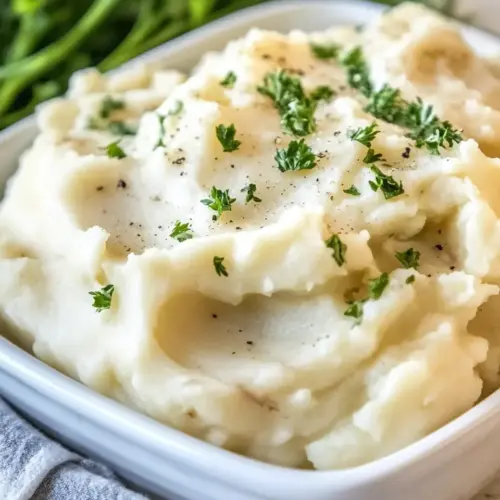
Easy Crockpot Mashed Potatoes
Easy Crockpot Mashed Potatoes are creamy, comforting, and effortless to make. Tender Yukon Gold Potatoes slowly cook in chicken broth and finish with a trio of dairy for silky texture, perfect for an easy weeknight dinner or holiday side. Make them when you want rich flavor without constant attention, a reliable crowd pleaser you will return to again and again.
Equipment
- 6 Quart Crockpot
- Colander
- Potato Masher
Ingredients
- 3 lb Yukon Gold Potatoes Provide a creamy, buttery texture and tender bite when peeled, cubed, and slow-cooked in the crockpot until fork-tender; Yukon Golds contribute a naturally rich flavor and smooth mouthfeel ideal for mashing.
- 1 -2 cups chicken broth Add savory moisture and depth during cooking to prevent dryness and help break down the potatoes; chicken broth also infuses subtle umami that enhances overall flavor.
- 1 tablespoon seasoned salt Season generously with a balanced salty and slightly spiced hit to build foundational flavor throughout the dish; seasoned salt helps elevate the mashed potatoes without needing many separate spices.
- 2 tablespoons unsalted butter Introduce a rich, silky mouth-coating fat that melts into the hot potatoes for a smooth, luxurious finish; unsalted butter lets you control overall saltiness while contributing classic buttery notes.
- 1/4 cup sour cream Provide tangy creaminess and a silky texture when folded into warm potatoes to lighten richness and add slight acidity that brightens the dish.
- 2 tablespoons cream cheese Contribute concentrated creaminess and a subtle tang to further smooth and enrich the mash; cream cheese helps create a denser, velvety consistency.
- Milk as needed Adjust final consistency and creaminess to achieve the desired mash texture, adding just enough to loosen or smooth the potatoes without thinning flavor.
- 1 tablespoon dried herbs of choice I used Italian seasoning Infuse aromatic, savory herb notes chosen to complement the potatoes and other dairy elements; Italian seasoning adds a balanced mix of oregano, basil, and thyme for Mediterranean warmth.
- Additional seasoned salt to taste (about 1-2 teaspoons) Fine-tune overall saltiness at the end of cooking to suit taste preferences, allowing small increments to avoid over-salting while enhancing all combined flavors.
Instructions
- You can peel the potatoes or leave the skins on and clean them really well. (I like leaving my skins on.) Cut potatoes into quarters.: The scent of fresh potatoes is earthy and mild, and when you quarter them you expose more surface area so the hot chicken broth penetrates evenly; visually you want similarly sized pieces so there is consistent doneness across the batch. I like leaving skins on for extra texture and nutrients, but if you prefer smoother mash, peeling will give you a silkier final product. A common mistake is cutting pieces unevenly which causes some chunks to overcook while others remain firm, so take a few extra minutes to make quarters uniform. As you cut, listen for the soft thud of knife meeting firm flesh and notice the pale golden interiors come into view.
- Place potatoes in the bottom of a 6-quart crockpot. Add chicken broth just to cover the potatoes. Cover and cook on high 3-4 hours (mine took exactly 3 hours but all crockpots cook differently.) Potatoes are done and ready to be mashed when they fall easily off a fork when pierced.: The aroma of simmering chicken broth and steaming potatoes will begin to fill the kitchen, signaling the breakdown of starches into tender flesh. Using a 6quart crockpot gives enough room for even steam circulation, and adding broth to just cover prevents the mash from becoming too soupy while ensuring thorough cooking. The visual cue I rely on is that a fork should slide through a chunk without resistance and the edges may start to split slightly. Avoid the error of overfilling the pot or using too little liquid, which can lead to scorching around the edges. If your crockpot runs hot, check at the 3 hour mark to prevent over softening, which can make the texture gluey instead of fluffy.
- Drain the potatoes (reserve some potato stock if you want to use instead of milk when mashing).: When you lift the lid, you will notice a gentle steam cloud and a concentrated savory smell from the reserved stock, which holds a lot of flavor. Draining is tactile and visual, the potatoes should look plump and tender, not waterlogged. I often reserve a cup or so of the cooking liquid because its starches help achieve a silky mash without watering it down. A common mistake is discarding all the liquid and then needing more liquid to loosen the mash, which forces you to add cold milk and cool the batch. Keep the reserved stock warm if you plan to use it immediately, and strain any large bits so you add only clear, flavorful liquid.
- Add the butter, sour cream, and cream cheese and mash until your desired consistency, adding milk as needed. (I like my potatoes a bit chunky and less creamy, but everyone likes them their own way.) Add the herbs and more seasoned salt, to taste.: At this stage the kitchen fills with a rich, tangy aroma as the butter melts and the dairy components blend with the hot potatoes . Instead of restating the action, focus on sensory cues: the mash should turn glossy and smooth with ribbons of melted butter visible, and the gentle tang from the sour cream balances the starch. I recommend mashing while the potatoes are hot so the dairy integrates seamlessly, creating a velvety texture. One troubleshooting tip: if the mash becomes gluey, it is often from over mixing; switch to gentler strokes or stop mashing sooner to keep a fluffy texture. Add warm milk or reserved potato stock a few tablespoons at a time until you reach the exact creaminess you want, stopping frequently to taste and adjust seasoning.
- Serve hot. Store leftovers in an airtight container for up to 3 days.: The dried herbs bring aromatic color and a subtle herbal lift, and the final seasoned salt adjustment pulls flavors into harmony; you will smell the herbal notes bloom as they warm. I always add herbs after mashing so they remain perceptible rather than fading into the background, and I taste as I go because small increments of salt can dramatically change the balance. A frequent misstep is over seasoning at the start, which cannot be undone, so perform careful, incremental tastings to reach the perfect level. Visually, the herbs should be evenly distributed so each spoonful offers a hint of green and aroma.
- Serve hot. Store leftovers in an airtight container for up to 3 days.: Hot serving shows off the steam and the glossy surface of the mash, and adding a finishing pat of butter right before serving creates a mouthwatering sheen and aroma that guests love. For leftovers, cool quickly and refrigerate in an airtight container to maintain texture; when reheating, add a splash of warm milk or reserved stock to refresh creaminess. A mistake to avoid is leaving mashed potatoes at room temperature for too long, which risks food safety issues. When reheating, do it gently on low heat or in short bursts in the microwave, stirring in between so the texture stays smooth and not dry.
Notes
- Boost richness by increasing the amount of butter or cream cheese if you want a more indulgent mouthfeel; add small amounts, taste, and stop when it feels decadent enough.
- Reduce sodium by using low sodium chicken broth and tasting before adding the full amount of seasoned salt, this keeps the savory backbone while letting you control salt precisely.
- Make it lighter by swapping some or all of the sour cream for plain Greek yogurt, which keeps creaminess while cutting calories and adding protein.
- Adjust texture by reserving potato stock for thinning rather than milk, the starch in the stock helps maintain a cohesive, creamy body without watering the mash down.
- Herb variations change the mood: use rosemary and thyme for an earthy profile, or parsley and chives for fresh brightness; add them late to preserve aroma.
- Chunky or smooth is a matter of technique: stop mashing early for rustic bites, or use a ricer for a silken result; avoid electric beaters if you want to prevent gluey texture from overworked starches.