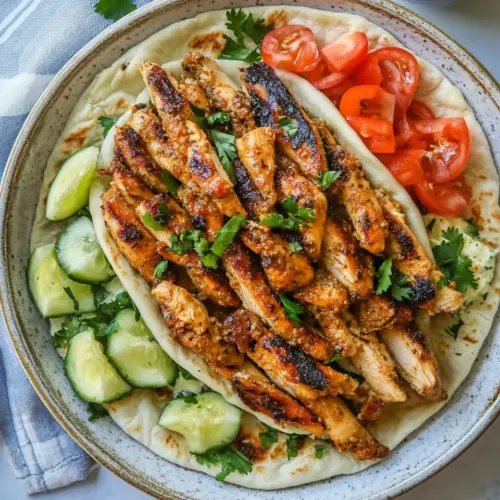
Easy Chicken Shawarma
Easy Chicken Shawarma is a juicy, spice kissed roast chicken dish with tangy tahini sauce and fresh herbs, perfect for an easy weeknight dinner. Bright lemon and warm spices create a balanced, aromatic profile that's both family friendly and impressive for guests, making it ideal for quick meals or casual entertaining.
Equipment
- Oven
- Baking Sheet
- Mixing Bowl
- Blender
Ingredients
- 2 lbs boneless skinless chicken thighs Marinate the chicken thighs to infuse rich, juicy flavors and tenderize the meat for even cooking; recommended to cut into strips before marinating for quick roasting or grilling.
- 1/4 cup olive oil Coat the chicken and help emulsify the marinade while adding fruity richness; use good-quality oil to promote even browning during cooking.
- 5 cloves garlic minced Provide a sharp, aromatic punch and help build the savory base of the marinade; finely mince to distribute flavor evenly throughout the chicken.
- 2 lemons zested and juiced Brighten the marinade with zesty citrus oils from the zest and add acidity with the juice to tenderize and balance spices; freshly squeeze for maximum brightness.
- 1 1/2 tsp ground sumac Lend a tangy, lemony note and subtle astringency that complements Mediterranean flavors; use measured amount to avoid overpowering the blend.
- 1/2 tsp Aleppo pepper flakes Introduce mild heat and fruity, slightly smoky notes with a distinctive warm undertone; sprinkle carefully to control spiciness.
- 1/2 tsp allspice Offer warm, aromatic depth with hints of clove and pepper that enhance savory complexity; use sparingly to avoid overwhelming delicate herbs.
- 2 tsp ground cumin Bring earthy, nutty warmth and essential Middle Eastern flavor that pairs well with cumin and coriander; toasted ground cumin intensifies aroma.
- 2 tsp paprika Add a sweet, smoky color and mild sweetness that rounds out the spice mix and promotes attractive browning; choose paprika appropriate to desired heat level.
- 1 tsp ground cinnamon Contribute subtle warmth and sweet-baked spice notes that harmonize with savory components; a small amount provides balance without dominating.
- 1 tsp kosher salt Season the dish with precise saltiness to enhance all flavors and aid in moisture retention during cooking; kosher salt dissolves readily for even seasoning.
- 1/2 cup tahini Create a creamy, slightly bitter base for the sauce that provides richness and helps thicken when whisked with liquid; stir well to achieve smooth consistency.
- 1/2 cup water Thin the tahini and adjust sauce consistency while lightening texture; use room-temperature water for easier incorporation.
- 2 tbsp lemon juice Add additional acidity and brightness to the tahini sauce to cut richness and balance flavors; freshly squeezed lemon juice yields cleaner flavor.
- 2 tbsp olive oil Enrich the sauce with fruity, aromatic fat that smooths texture and carries flavors; whisk in gradually to form an emulsion with tahini.
- 1/2 cup fresh cilantro chopped Introduce fresh, citrusy herbaceousness and a lively green flavor to the sauce or garnish; chop finely for even distribution and visual appeal.
- 1/2 cup fresh parsley chopped Provide bright, slightly bitter herbaceous notes that add depth and freshness to sauces, salads, and garnishes; chop coarsely or finely depending on desired texture.
- 1/2 cup fresh mint chopped Contribute cool, aromatic minty flavor that complements citrus and yogurt accents; finely chopped mint brightens the overall herb mix.
- 2 cloves garlic minced Give a pungent, savory boost to the herb sauce or dressing and help integrate flavors; mince thoroughly so it disperses evenly.
- 1/2 tsp ground cumin Add a warm, earthy underpinning to the herb sauce and enhance cohesion with the rest of the spices; use measured amount to avoid overpowering freshness.
- 1/4 tsp sea salt to taste Finish the sauce or garnish with subtle salinity to taste, balancing herbs and acid without becoming overtly salty; adjust incrementally to preference.
Instructions
- In a large bowl, combine all ingredients for the chicken. Use your hands to toss everything around until chicken is well coated in marinade. Cover with plastic wrap and refrigerate at least 20 minutes (up to 1 hour).: The air should fill with garlic and citrus as you heap the spices and olive oil into the bowl, and you will notice the mixture smell bright and savory. Use your hands or a sturdy spoon to work the marinade into every bit of chicken , pressing the spices into the meat so they cling. This contact is what allows the flavors to penetrate, rather than just sit on the surface. One common mistake is skimping on contact time, which leaves the exterior flavored but the interior bland, so press and rub thoroughly.
- Preheat the oven to 400 degrees F.: As you toss, feel the texture change, the marinade becoming sticky and fragrant, coating each piece with oil and spice. The tactile feedback tells you when pieces are evenly coated, which promotes uniform browning in the oven. Avoid piling pieces tightly together, because wet, crowded meat will steam instead of roast, preventing the desirable roasted edges.
- Transfer chicken (including marinade) to a foil-lined baking sheet or a casserole dish. Bake 30 to 35 minutes, until chicken is cooked through. Increase oven heat to 425 degrees F and bake an additional 8 to 10 minutes, until skin is golden-brown and crispy.: While resting, the acid from the lemon begins to gently tenderize the chicken , and the flavors meld into a cohesive profile. You will notice the aroma mellow slightly as the marinade settles. If you skip this rest, the exterior will still brown but the interior may lack depth, so aim for at least twenty minutes when possible.
- Remove chicken from oven and allow it to sit 10 minutes before slicing and serving with magic tahini sauce.: You should preheat until the oven thermometer reads steady heat, so the tray receives immediate, even heat and starts browning rather than slowly warming. The initial hot environment jumpstarts Maillard reactions, producing those toasty aromas. A common error is placing cold trays into an oven that has not reached temperature, which delays browning and can dry the meat.
- Add all ingredients for the sauce to a small blender and blend until smooth. Taste sauce for flavor and add lemon juice or sea salt to desired taste.: Spread the pieces with some space between them so hot air circulates, and keep excess marinade pooled slightly to baste as it roasts. You will hear a faint sizzle when the tray hits the hot oven, and within minutes the surface will begin to darken. If you mound the chicken too densely, the pieces will release juices and steam each other, resulting in soft edges instead of crisp ones.
- Bake 30 to 35 minutes, until chicken is cooked through: During this phase the smell will shift from raw garlic and citrus to roasted, savory notes, and juices should run clear when pierced. The interior will become tender while the exterior sets up. A typical mistake is relying on time alone; always check doneness with a thermometer or by cutting into a thicker piece to ensure it is cooked through without overcooking.
- Increase oven heat to 425 degrees F and bake an additional 8 to 10 minutes, until skin is golden-brown and crispy: That burst of higher heat is what creates a crisp, charred edge, producing crackling sounds and a deeper color. Watch carefully as the pieces can go from golden to too dark quickly. If you see excessive smoke, pull the tray out earlier and let residual heat finish crisping to avoid bitter char.
- Remove chicken from oven and allow it to sit 10 minutes before slicing and serving with magic tahini sauce: Resting lets the juices redistribute so slices are moist rather than leaking onto the platter. The aroma will be concentrated, and you will notice the meat firms slightly making it easier to slice. Cutting too soon loses precious juices, so be patient and let carryover heat finish the cooking gently.
- Add all ingredients for the sauce to a small blender and blend until smooth: The whir of the blender should transform the tahini into a glossy, creamy emulsion, with garlic and lemon melding into a unified tangy sauce. Taste as you blend, adjusting texture with water so it drizzles but still clings. A common pitfall is adding too much water up front, which makes the sauce too thin and watery.
- Taste sauce for flavor and add lemon juice or sea salt to desired taste: Final seasoning is everything, and the bright note of extra lemon or a pinch of sea salt can lift the whole dish. Spoon a little onto a piece of chicken and sample, because the sauce should balance the spices and the meat. Overlooking this tasting step is how sauces end up flat, so taste and adjust incrementally until it sings.
Notes
- Marinate for at least twenty minutes, but if you have time, push toward an hour to let the flavors deepen and the chicken tenderize more thoroughly.
- Pat the chicken dry before baking if it seems overly wet after marinating, this helps the surface brown more efficiently and prevents steaming.
- Use a hot oven finish to crisp the exterior; a short burst at a higher temperature creates the desirable golden edges without drying the interior.
- Adjust sauce thickness slowly by adding water a tablespoon at a time until you reach a spoonable or drizzleable consistency that suits your serving style.
- Chop herbs just before serving so they remain bright and aromatic, adding visual contrast and fresh flavor to each plate.