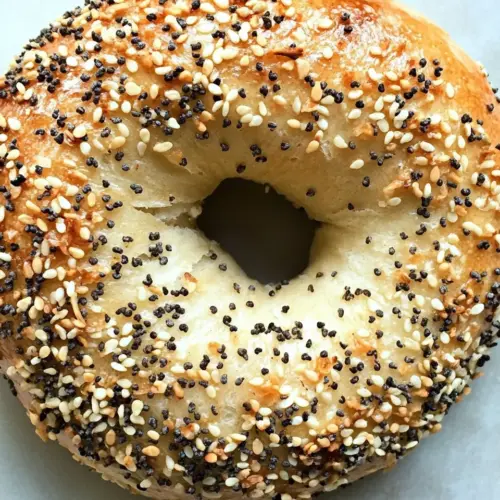
Easy Bagel Recipe
Easy Bagel Recipe yields chewy, golden bagels with a crisp exterior using simple pantry ingredients like flour and non fat Greek yogurt. Fast to prepare and adaptable for oven or air fryer, it makes a charming easy weeknight breakfast or weekend project with satisfying results. Try it for fresh homemade bagels without a long rise, and enjoy a reason to bake at home.
Equipment
- Baking Sheet
- Air Fryer
Ingredients
- 1 cup unbleached all purpose flour, whole wheat or gluten-free mix*, (5 oz in weight) Provides the primary structure and base for the dough; unbleached all-purpose flour (or whole wheat or gluten-free mix) contributes gluten or alternative binding agents and determines texture, crumb, and chewiness when measured by weight for consistency.
- 2 teaspoons baking powder, make sure it's not expired or it won't rise Acts as a chemical leavening agent to help the bagels rise slightly and become tender; fresh baking powder ensures reliable lift and lightness without producing off-flavors when combined with the yogurt-based dough.
- 3/4 teaspoon kosher salt, use less if using table salt Balances and enhances overall flavor while controlling yeast-like activity in quick doughs; kosher salt also strengthens gluten structure slightly and should be reduced if substituting finer table salt to avoid over-salting.
- 1 cup non-fat Greek yogurt, not regular yogurt, it will be too sticky (Stonyfield) Supplies moisture, protein, and slight tang that tenderizes the dough and mimics the elasticity usually provided by yeast; non-fat Greek yogurt yields a firmer, less sticky dough ideal for shaping bagels and contributes to a pleasant chew.
- 1 egg white or whole egg, beaten Provides a glossy, golden finish and helps toppings adhere when brushed on before baking; either egg white or whole beaten egg will brown the surface and slightly enrich the crust.
- optional toppings: everything bagel seasoning, sesame seeds, poppy seeds, dried garlic flakes, dried onion flakes Adds crunchy texture and concentrated savory, nutty, or aromatic notes when sprinkled on top; optional toppings like everything seasoning, sesame, poppy, dried garlic, or dried onion create distinct flavor profiles and visual appeal.
Instructions
- Preheat oven to 375 F. Place parchment paper or a silpat on a baking sheet. If using parchment paper, spray with oil to avoid sticking.: As the oven warms you will start to notice a dry, warm scent that signals even heat, which is crucial for consistent browning. The parchment or Silpat prevents sticking and promotes an even bottom crust, and spraying parchment lightly helps if your dough is slightly tacky. A common mistake is skipping the lined surface, which can cause bottoms to adhere and tear when you remove the bagels. Listen for the faint hum of the oven stabilizing and visually confirm the racks are set to place the sheet on the top rack so the tops get direct heat.
- In a medium bowl combine the flour, baking powder and salt and whisk well. Add the yogurt and mix with a fork or spatula until well combined, it will look like small crumbles.: At this stage you will feel the dry mixture turn into coarse, damp crumbs as the non fat Greek yogurt binds the dry ingredients. The whisking aerates the flour slightly so the dough remains light. If you overwork this step you can develop extra gluten, making the bagel tougher, so mix just until the crumbs come together. Watch for an even distribution of dry bits and avoid large pockets of unmixed baking powder.
- Lightly dust flour on a work surface and remove dough from the bowl, knead the dough a few times until dough is tacky, but not sticky, about 15 turns (it should not leave dough on your hand when you pull away).: The tactile cue here is everything, you want the dough to feel slightly tacky but not cling to your fingers. As you knead you will notice the dough becoming smoother and quieter, losing its rough, crumbly texture. If it sticks excessively, dust with a touch more unbleached all purpose flour , but add sparingly to avoid drying it out. One common misstep is over flouring, which stiffens the dough and reduces the tender interior.
- Divide into 4 equal balls. Roll each ball into 3/4-inch thick ropes and join the ends to form bagels. (or you can make a ball and poke a hole in the center then stretch it slightly): When rolling, you will feel the dough relax and smooth under your palms, creating a consistent rope. The joints should be pinched to seal so the bagel keeps its shape during baking. If the hole closes up while shaping, use your finger to gently reopen it and stretch slightly to the desired diameter. A frequent error is making the ropes uneven which leads to inconsistent baking, so take a moment to eyeball uniform size.
- Top with egg wash and sprinkle both sides with seasoning of your choice. Bake on the top rack of the oven for 25 minutes. Let cool at least 15 minutes before cutting.: The egg wash creates a glossy, golden surface while the toppings toast and release fragrance. As the bagels bake you will notice a toasty scent and a firming of the crust; they should sound slightly hollow when tapped. If you rush slicing before they cool you will compress the crumb and create a gummy texture, so patience is key. Avoid opening the oven repeatedly during baking, which can drop the oven temperature and affect the oven spring.
- In a medium bowl combine the flour, baking powder and salt and whisk well. Add the yogurt and mix with a fork or spatula until well combined, it will look like small crumbles.: The repetition of this mixing step reinforces technique, and during a second batch you may notice your rhythm improves, the dough coming together more predictably. Maintain an eye on the crumb size; consistent crumbs yield consistent texture. A pitfall is adding additional yogurt because the mixture looks dry, instead gently knead to bring it together, the dough often unifies without extra liquid.
- Lightly dust flour on a work surface and remove dough from the bowl, knead the dough a few times until dough is tacky, but not sticky, about 20 turns (it should not leave dough on your hand when you pull away).: Slightly increasing kneading turns can help if your flour mix is different, the dough will become silkier and less prone to tearing. You will feel the dough gain elasticity and bounce back slightly when pressed. Overkneading is a risk, leading to a tight chew, so stop when the dough becomes smooth. Watch for dryness, which indicates too much extra flour has been added.
- Divide into 4 equal balls. Roll each ball into 3/4-inch thick ropes and join the ends to form bagels.: Consistency here influences bake time, so matching sizes ensures even coloring and texture. When sealing the ends, press firmly to avoid splitting during baking. If seams separate, dampen slightly and press again to reseal. The common mistake is uneven shaping which results in uneven browning.
- Top with egg wash and sprinkle both sides with seasoning of your choice.: Apply the egg wash with a gentle brush stroke to avoid deflating the shaped bagels, and be sure to catch the sides so toppings adhere fully. The aroma as seeds toast is immediate and rewarding. Avoid drowning the surface in wash which can pool and cause sogginess under the seeds.
- Preheat the air fryer to 280 F degrees. Transfer in batches without overcrowding and bake 15 to 16 minutes, or until golden. No need to turn. Let cool at least 15 minutes before cutting.: In the air fryer you will notice a sharper, more immediate browning as hot air circulates. The bagels will develop a crisp exterior while staying tender inside. Overcrowding reduces airflow and leads to uneven browning, so do batches. A common oversight is using too high a temperature which can brown the exterior before the center sets.
Notes
- Use whole wheat flour: Swap part or all of the unbleached all purpose flour for whole wheat to add nuttiness and fiber, but expect a slightly denser crumb and adjust hydration by a teaspoon or two if needed.
- Gluten free swap: Replace with a 1 to 1 gluten free mix, like Bob's Red Mill, keeping the same measured cup amount; texture will be different but these bagels still bake up nicely with a tender interior.
- Egg wash options: Use whole egg for a deeper golden color, or just the egg white for a lighter sheen; brushing too heavily can cause toppings to clump so apply with a light hand.
- Topping mixes: Mix sesame seeds with poppy seeds and dried onion flakes for a savory crust, or keep it simple with just everything bagel seasoning for robust flavor in every bite.
- Bake versus air fry: Use the oven method for even, traditional crust, or the air fryer at 280 F for a quicker option with pronounced browning, but avoid overcrowding the basket to maintain crisping.
- Make ahead dough: Prepare the dough and refrigerate for a few hours, shaping just before baking to develop mild tang and slightly chewier texture.