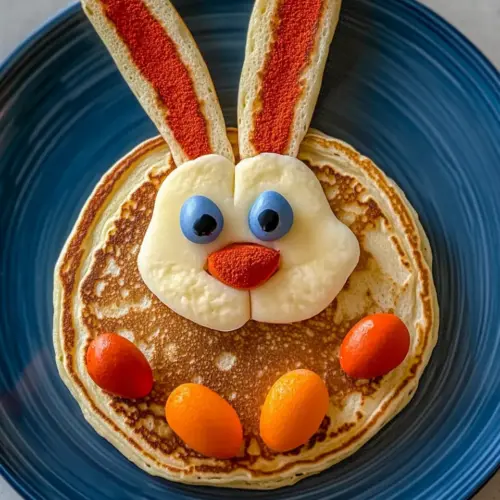
Easter Bunny Pancakes
Easter Bunny Pancakes are a whimsical spring breakfast that are soft, lightly spiced, and endlessly customizable. With a tender batter laced with cinnamon and finished with fresh strawberries and blueberries, they make an easy weekend or holiday brunch centerpiece. They are perfect for family gatherings and celebrations, offering a fun way to engage kids while keeping the cooking simple and satisfying.
Equipment
- KitchenAid Stand Mixer (Premium 5 Quart Tilt-Head)
- Glass Bowl (KitchenAid)
- Traeger Flatrock Griddle (partner)
- Lodge 12” Large Cast Iron Skillet
- Lodge Pre-Seasoned Cast Iron Grill Pan
Ingredients
- 1 1/3 cup All Purpose flour Sifted to ensure a light pancake batter and provide structure; contributes the bulk of the dry ingredients and determines texture. Balances wet ingredients for proper binding and creates tender, fluffy pancakes when combined correctly.
- 2 tbsp sugar Sprinkled in to add sweetness and aid browning; helps balance the tartness of fruit toppings. Dissolves into the batter to enhance overall flavor and contribute slight caramelization on the griddle.
- 2 tsp baking powder Added as a leavening agent to create lift and airy pancakes; works with the baking soda for optimal rise. Reacts when heated to produce carbon dioxide, producing a softer crumb and lighter texture.
- 1 tsp baking soda Activated with acidic components to boost rise and tenderness; helps neutralize any residual acidity from dairy or flavorings. Ensures an even, consistent crumb and supports browning during cooking.
- 1 tsp salt Measured to season the batter and enhance other flavors; helps balance sweetness and prevents flat taste. Supports overall flavor profile and can slightly affect gluten development in small amounts.
- 1 1/2 tsp cinnamon Sprinkled in for warm, aromatic spice and subtle complexity; complements fruit toppings like bananas and apples. Blends into the batter to give a comforting, spiced note without overpowering the pancake.
- 1 1/2 cup milk Poured in to hydrate the dry mix and form the batter; supplies moisture and contributes to tenderness. Helps dissolve sugar and activate leavening agents while influencing batter thickness and final texture.
- 1 egg beaten Beaten to incorporate air and bind ingredients together; provides structure and richness to the pancakes. Adds protein that firms up during cooking, helping pancakes hold shape and achieve a tender interior.
- 2 tbsp butter melted and cooled Melted and cooled to enrich the batter with fat and flavor; adds tenderness and prevents dryness. Improves mouthfeel and promotes even browning on the griddle for a slightly crisp exterior.
- 1 tsp vanilla extract Stirred in for a fragrant, sweet vanilla note and to round out flavors; elevates the overall taste profile subtly. Enhances perception of sweetness and complements cinnamon and fruit toppings.
- 2 tbsp butter salted, set aside for griddle Kept for greasing the griddle to prevent sticking and promote golden browning; introduces a buttery flavor to the pancake surface. Ensures easy flipping and contributes to an attractive, slightly crisp edge.
- Bananas Sliced or shaped for soft, natural sweetness and creamy texture when layered; pairs especially well as facial features on decorative pancakes. Provides potassium and a mellow flavor that complements cinnamon and chocolate.
- Strawberries Sliced or halved for bright acidity, color, and fresh sweetness; works well as ears or cheeks on themed pancakes. Adds juiciness and a slightly tangy contrast to sweeter toppings like whipped cream and chocolate.
- Blueberries Sprinkled as small bursts of sweet-tart flavor and vivid color; ideal for accenting and adding texture to finished pancakes. Offers a refreshing bite and pairs nicely with banana and whipped cream garnishes.
- Chocolate sauce Drizzled to lend a rich, sweet chocolate flavor and glossy finish; enhances visual appeal and indulgence. Complements fruit and cream components while adding a smooth, decadent element to each bite.
- Easter jelly beans Scattered for chewy, colorful candy accents that add fun and novelty; great for holiday-themed decoration. Introduces varied sugar textures and playful shapes that delight children and enhance presentation.
- Easter carrot gummies Placed as gummy carrot shapes to reinforce the festive theme and add chewy texture; ideal for decorative touches. Contributes bright color and a playful mouthfeel that contrasts with soft pancakes and cream.
- Carrot strips Cut into thin strips to provide crisp, fresh vegetable garnish or a playful carrot-like detail; adds subtle crunch and color. Balances sweetness with a vegetal note and enhances the Easter motif visually.
- Whipped cream Piped or dolloped for light, airy creaminess and sweet richness; provides height and smooth contrast to warm pancakes. Helps bind other toppings and creates an indulgent, cloud-like finish on each stack.
- Sprinkles Sprinkled for colorful, crunchy decoration and a fun, festive finish; adds tiny bursts of sugar and visual charm. Enhances presentation and provides slight texture contrast against soft pancake surfaces.
Instructions
- Add all dry ingredients (flour, sugar, salt, baking powder, baking soda) in a large mixing bowl and stir to combine thoroughly.: The first sensory clue is the even aroma of the spices and flour as they mingle, and the texture should look uniform with no lumps of baking powder. This step matters because equal distribution of leavening agents guarantees consistent rise across the whole batch. A common mistake is to pour wet ingredients into a single spot, which can make pockets of baking powder; take a moment to stir until you see a homogenous pale tan mixture.
- Separately, combine all the wet ingredients (milk, egg, melted butter, vanilla extract) and stir to combine.: You will notice the mixture has a glossy sheen and a slightly viscous feel as the egg binds the liquid milk and melted butter . This matters because a well blended wet mix prevents overworking the batter later. Avoid whisking so vigorously that you create foam, which can lead to uneven texture in the final pancakes.
- Make a well in the center of your dry ingredients and then add wet ingredients into the dry. Stir to combine.: As you fold the wet into the dry, watch for a batter that comes together and drips slowly from the spoon, not a glue like mass. This technique reduces gluten formation, producing tender pancakes. Mixing too long is a frequent error, producing chewy pancakes rather than light ones, so stop when just combined even if small lumps remain.
- Set aside for 15 minutes at room temperature so the ingredients activate with each other.: During this rest the batter relaxes and the leavening agents begin to work, which you can sense as the batter slightly puffs and smells a touch of fermented sweetness. Resting yields a more even crumb and better browning. A common pitfall is skipping the rest, which can leave a raw tasting center and less rise, so be patient and let the batter settle.
- Make the pancake batter and cook pancakes in the shapes needed for each one. Use store bought or mix together ingredients to make the Sip Bite Go pancakes from scratch.: When the batter hits a hot, buttered griddle you will hear a gentle sizzle and see edges set before bubbles form on the surface. That is your cue to flip, producing a golden underside with a soft interior. The reason shaping matters is batter viscosity will determine how well ears and heads hold, so if your batter is too thin the shapes will run; if too thick they will be dense. A frequent error is flipping too early or pressing the pancake flat which prevents that tender, pillowy interior from forming.
- Arrange bunny pancakes with food decorations like blueberries, bananas, chocolate sauce, carrots, and Easter gummy carrots.: As you decorate, you will notice textures contrast, the coolness of blueberries and the creaminess of sliced bananas , while chocolate sauce adds a glossy sheen. This final styling elevates the plate visually and flavor wise, giving points of interest for each bite. A common oversight is crowding the plate with too many candies which can overpower the pancake flavor, so aim for balance.
- Serve and enjoy.: Warm pancakes should steam slightly under the toppings and offer a tender bite that yields to the tongue. The combination of warm pancake, cool fruit, and a smear of whipped cream creates a pleasing temperature contrast that makes every forkful engaging. Rushing to plate cold pancakes is a trap that robs them of their comforting warmth, so serve promptly for best results.
Notes
- Use a squeeze bottle for detail when you want precise ears and small shapes; it gives you control and reduces batter splatter.
- Measure flour by spooning and leveling to avoid dense pancakes caused by packed flour, which changes the batter ratio.
- Keep a warm oven set low to hold finished pancakes without steaming them, arranging them in a single layer on a wire rack keeps texture intact.
- Don't overmix the batter; stop when a few small lumps remain to keep pancakes tender rather than chewy from excess gluten development.
- Prep toppings ahead so decorating is relaxed; slice bananas and strawberries and arrange candies in small bowls for an assembly line feel.