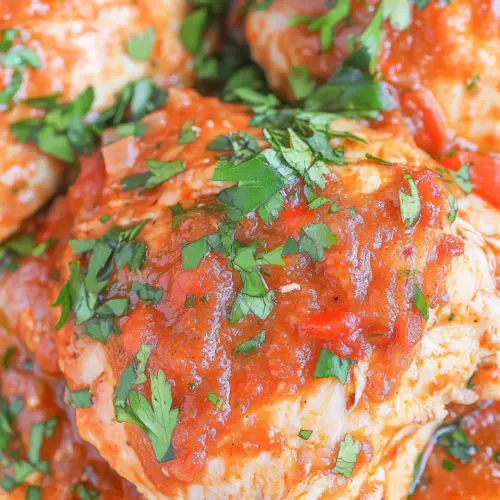
Dump and Cook Instant Pot Mexican Chicken
Dump and Cook Instant Pot Mexican Chicken is a bold, easy weeknight dinner that yields tender shredded chicken in a smoky tomato sauce. With pantry staples like fire roasted tomatoes, salsa, and a handful of spices, you get creamy, savory, and slightly smoky flavors that are perfect for tacos, bowls, or meal prep. Make it for quick family dinners or portable lunches that stay delicious all week.
Equipment
- Instant Pot
- Tongs
- Mixing Bowl
- Forks
Ingredients
- 5 -6 chicken breasts boneless and skinless Cook thoroughly and provide lean protein; ensures the dish has tender, shred-ready chicken that soaks up the sauce and spices.
- 1 medium yellow onion thinly sliced Slice thinly to release sweet, savory layers and soften during pressure cooking, adding body and aromatic depth to the dish.
- 4 cloves garlic minced Mince finely to distribute pungent, aromatic flavor throughout the sauce and enhance savory complexity when cooked with the chicken.
- 1 1/2 teaspoons ground cumin Season evenly to introduce warm, earthy notes that complement chili and tomato flavors and anchor the overall Mexican spice profile.
- 2 teaspoons chili powder Sprinkle to contribute smoky, mildly spicy heat and a classic chili flavor that elevates the dish’s southwestern character.
- 3/4 teaspoons ancho chile pepper powder Stir in for a deep, fruity chile heat that adds complexity and richness without overpowering the other spices.
- 1 teaspoon smoked paprika Add to impart subtle smoky sweetness and color that reinforces the layered flavors typical of Mexican-inspired recipes.
- 1 teaspoon lime juice Squeeze to bring bright acidity that balances richness and enhances the freshness of the finished chicken and salsa.
- 1 teaspoon lime zest Zest to infuse citrusy, aromatic oils that lift and brighten the overall flavor, complementing the lime juice’s acidity.
- 1 tablespoon adobo sauce optional Optional: stir in a small amount to add tangy, smoky depth and concentrated chipotle flavor for extra boldness.
- 1/2 teaspoon oregano Sprinkle to contribute herbaceous, slightly bitter notes that round out the spice blend and enhance savory complexity.
- 15 oz can fire-roasted diced tomatoes drained Drain and add to supply chunky tomato texture and roasted, slightly charred tomato flavor that melds with the spices.
- 4 oz can diced green chiles mild Drain and include for mild, slightly tangy heat plus a touch of green chile flavor and extra tomato-like texture.
- 1 cup salsa red or green Pour in to add saucy body, tomato-based flavor, and moisture that helps create a cohesive, ready-to-serve shredded chicken.
- 1 cup chicken broth reduced sodium Pour to provide savory liquid for pressure cooking, enhancing flavor while keeping the chicken moist and tender.
- 1 teaspoon liquid smoke optional Optional: add sparingly to introduce an intense smoky aroma that simulates cooking over wood or charcoal.
- 2 tablespoons cornstarch Mix with water to create a slurry and thicken the sauce, giving the finished dish a silky, clingy texture.
- 4 tablespoons water Combine with cornstarch slurry to activate as a thickening agent and create a glossy, well-bodied sauce consistency.
- Fresh jalapenos sliced Slice and garnish to add fresh, crisp heat and visual contrast, allowing diners to adjust spice level to taste.
- Fresh cilantro chopped Chop and sprinkle to contribute bright, herbaceous freshness and a pop of color that complements the spicy, smoky flavors.
Instructions
- Add all ingredients from the 'to cook the chicken' section to the inner pot of the Instant Pot, starting with the chicken breast and layering the rest of the ingredients. No need to stir.: As you layer everything into the inner pot, take a moment to notice the visual contrast between the pale chicken and the colorful spices and canned goods, the tomatoes adding bright red and the green chiles peeking through. The aroma will be faint at this stage, more of raw spices and tomato, but you will catch occasional whiffs of garlic and onion as you work. Layering rather than stirring helps keep the chicken from clumping and ensures the spices distribute during pressure cooking; the steam and motion inside the pot will marry flavors for you. A common mistake is overhandling the meat, which can cause uneven cooking, so resist the urge to mix everything thoroughly. Also avoid adding too much extra liquid here, because the canned tomatoes have moisture and the recipe relies on controlled liquid for proper pressure build up.
- Close the lid, and make sure the valve is set to 'sealing'.: When you secure the lid and set the valve to sealing , you are creating the pressurized environment that makes the process fast and tenderizing. You should hear a satisfying click when the lid locks, and the valve should look clearly positioned. The pot will hiss slightly as it comes to pressure, and that steady sound means the internal temperature is rising. A frequent error is forgetting to set the valve to sealing, which prevents pressure from building and will result in undercooked chicken . Double check the gasket and lid alignment if you notice steam escaping from the edge, as faulty sealing can affect cook times.
- Press the Pressure Cook or Manual button and use the +/- buttons to set the timer for 15 minutes.: Selecting Pressure Cook and entering 15 minutes engages the high heat, sealed environment that rapidly breaks down connective tissues and infuses the chicken with flavor. As it preheats, you might hear faint sputtering or the occasional pop, which is normal as liquid heats and settles. This timing is calibrated for boneless, skinless breasts; the end result should be tender enough to shred. A common mistake is reducing the time too much, expecting instant results, which can leave the meat tough. Conversely, extremely long times can yield overly soft, shreddy results that lack bite, so stick to the recommendation for best texture.
- Once the timer beeps, do a 10 minutes Natural Pressure Release, then open the valve to release any remaining pressure. When the pin drops, carefully open the pot.: The gentle sound of slowly escaping steam during natural release will be different than a quick vent, and it signals that the chicken is finishing in residual heat, which helps retain moisture. After waiting 10 minutes, manually venting will clear remaining pressure, and you should wait until the pin drops before opening to avoid a burst of hot steam. When you lift the lid, expect a warm, savory cloud of aroma, and you may see bubbling at the edges. A typical pitfall is rushing to open the pot, risking burns from superheated steam, so always use a towel or utensil to nudge the valve if needed and stand back when venting.
- Use chicken tongs to remove the chicken breasts to a large bowl and shred them using two forks.: The chicken will be hot and succulent, and transferring it out lets you control shredding without overmixing the sauce. As you shred, notice the steam and the moist texture; perfect shredding yields soft, ribbon like pieces that still hold structure. Shredding in a bowl helps collect juices that you can toss back with the meat, preserving flavor. A common mistake is shredding right in the pot, which stirs up residual sauce and can make the texture gummy. Use two forks and gentle strokes to keep the meat airy.
- In a small bowl, stir together the cornstarch and water until smooth.: Mixing the cornstarch with cold water creates a glossy slurry that prevents lumps and gives you a controlled thickening agent. The texture should be silky with no visible powder, and it will thicken quickly when introduced to heat. This step matters because uncooked cornstarch tastes starchy; dissolving it ensures a smooth finish. A common error is adding cornstarch directly to hot liquid without pre mixing, which often creates clumps and uneven thickness, so whisk until perfectly smooth.
- Click on saute and add the mixture to the pot. Cook for several minutes, stirring often until the sauce thickens.: When you switch to saute , the pot will bring the sauce to a simmer and the cornstarch slurry will activate, creating a silky, clingy coating for the chicken . Listen for steady bubbling and watch as the sauce shifts from watery to glossy and slightly reduced, the aroma intensifying as tomatoes and spices concentrate. Stirring often prevents the sauce from sticking to the bottom and ensures even thickening. Beware of boiling too vigorously, which can break down the cornstarch and thin the sauce again, so aim for a gentle simmer and moderate heat. If you see small burnt bits collecting, reduce heat and stir more frequently to avoid a scorched flavor.
- Toss the shredded chicken with as much of the sauce as you'd like and serve topped with cilantro and jalapenos.: This finishing moment is sensory rich, with the steam carrying smoky, tangy notes and the verdant pop of freshly chopped cilantro adding brightness. Tossing allows you to decide how saucy you want the final dish, whether lightly coated or luxuriously sauced. The sliced jalapenos add crisp texture and a fresh heat contrast, and a squeeze of extra lime can lift the whole plate. A typical mistake is adding all the sauce to the meat without tasting, which can overwhelm or underseason, so adjust to your preference and reserve a bit of sauce if you want to serve it on the side.
Notes
- Timing is everything: Stick to the 15 minute pressure cook plus the 10 minute natural release for tender, shreddable chicken. Shortening the time will produce meat that resists shredding, while extreme extensions can lead to an overly soft, mealy texture.
- Control the liquid: Drain the canned fire roasted diced tomatoes to keep the sauce from becoming too thin. Excess liquid can dilute flavors and force you to over reduce, which changes the balance of spices.
- Start with reduced sodium broth: Using reduced sodium chicken broth gives you better seasoning control, since canned salsas and chiles often contain salt. You can always salt at the end to taste.
- Make a smooth slurry: Whisk the cornstarch into cold water until no grit remains to ensure a lump free sauce that becomes glossy and silky when heated. This small step makes a big difference in mouthfeel.
- Customize heat consciously: Add adobo sauce or leave it out based on your audience. The adobo provides concentrated heat and smokiness, so add incrementally and taste as you go to avoid overpowering the dish.
- Finish fresh: Add chopped cilantro and sliced jalapenos right before serving to preserve brightness and texture. The fresh garnish cuts through the richness and adds a lively contrast that uplift the whole plate.