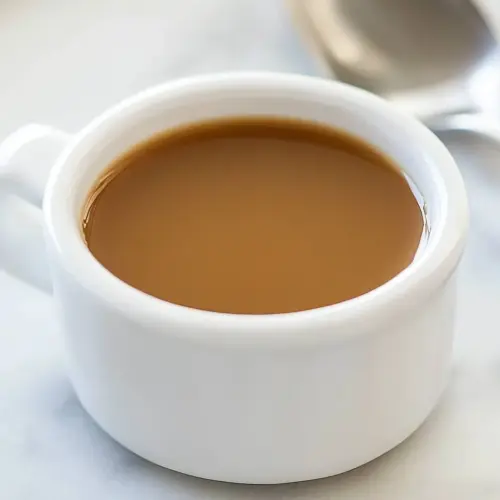
Drinking Caramel
Drinking Caramel is a creamy, silky warm caramel drink with deep toasted sugar notes and a smooth finish. This easy to make, indulgent sip combines rich heavy cream and light brown sugar into a velvety cup perfect for cozy evenings or small gatherings, an easy weeknight treat that feels special. Try it for a quick, comforting pick me up.
Equipment
- Large deep sauté pan
- Whisk
- Ladle
- Espresso cups
Ingredients
- 1 cup Wholesome!™ Organic Light Brown Sugar Provides deep molasses flavor and sweetness that forms the caramel base; dissolves and browns when heated to create rich complexity. Helps balance sweetness with a slight toffee note and contributes to the syrupy texture when combined with cream.
- 2 tablespoons water Adds necessary moisture and helps dissolve sugar evenly to prevent crystallization during caramelization; allows controlled temperature transfer for even browning. Enhances sugar solubility so a smooth, glossy caramel can form.
- 3 cups heavy cream Contributes rich, creamy body and luscious mouthfeel that transforms browned sugar into a silky drinking caramel; its fat content rounds flavors and stabilizes texture. Supplies the liquid component that tempers heat and yields a velvety sauce when blended with sugar.
- 1 teaspoon ea salt Provides a subtle savory contrast that balances sweetness and enhances overall flavor depth; distributed sparingly to avoid salinity. Accentuates caramel and cream notes while smoothing perceived sweetness.
- 1 teaspoon vanilla extract Imparts warm aromatic notes and rounds the flavor profile with sweet floral and vanilla tones; added near the end to preserve delicate fragrance. Enhances overall taste harmony and makes the drinking caramel more aromatic.
Instructions
- Place the Wholesome!™ Organic Light Brown Sugar in a large deep sauté pan. Add the water and turn the heat on medium. Bring the sugar to a low boil. Allow the sugar to boil until it darkens to a deep brown and smells toasted, 5-7 minutes.: The pan will soon fill your kitchen with a toasted aroma as the sugar melts, so choose a deep sauté pan to allow for vigorous bubbling when you add other liquids later. You should hear a soft simmer and see the sugar first liquefy into a clear syrup, then turn amber, and finally deepen to a rich, dark brown. This visual transformation indicates Maillard style reactions and caramelization, which create complex toffee notes. One why this matters is that color correlates with flavor depth, so stopping too early yields a milder result, while going too far risks bitterness. A common mistake here is using a shallow pan which causes overflow later, so use plenty of headroom.
- Slowly, carefully, whisk in the heavy cream. The sugar will boil up at first, then firm up, but will eventually loosen and blend into the cream.: Once the sugar is in the pan, adding the measured 2 tablespoons water encourages even melting by lowering the initial temperature hotspot and dissolving sugar crystals. As the mixture warms, you will notice tiny bubbles around the edges, and the syrup will smooth out. Use medium heat to give control over the pace of color change; high heat can jump the process and cause uneven browning. The reason this technique matters is it prevents sudden scorching and gives you time to watch the color shift. Avoid stirring aggressively at this stage because agitation can cause crystallization, a common misstep.
- Add the salt and vanilla extract. Stir and simmer another 2-3 minutes to thicken. Ladle into espresso cups and serve warm.: A steady, low boil signals that the water is evaporating and the sugar molecules are concentrating, which sets the stage for browning. You will hear a steady, gentle bubble and smell the first faint caramel notes as the temperature climbs. Allowing it to boil calmly helps form an even, glossy caramel surface rather than a rough, grainy one. This control yields a smoother final texture when you add the 3 cups heavy cream . A typical error is to rush this phase with high heat, which can create hot spots and lead to burnt pockets.
- Allow the sugar to boil until it darkens to a deep brown and smells toasted, 5 to 7 minutes: During these minutes, watch for a warm, nutty aroma and a rich amber to deep brown color. The scent is your best guide because visual cues can vary by pan color. When you reach that toasted smell and deep shade, you have developed flavor compounds that taste like toffee and toasted nuts. This stage is critical because the final taste depends on hitting that sweet spot; stop a hair before you think it is perfect because residual heat will deepen the color slightly. Overcooking is the biggest pitfall here, introducing bitterness instead of depth.
- Slowly, carefully, whisk in the heavy cream: Expect vigorous bubbling and steam as you incorporate the 3 cups heavy cream , which is a dramatic sensory moment with loud popping and a cloud of aroma. Add the cream gradually while whisking to help the thickening caramel accept the liquid without seizing into hard chunks. You will feel the mixture tighten then gradually loosen into a silky emulsion, and visually it will transform from a glassy syrup to a glossy, creamy sauce. The why is simple, the gradual addition tempers the reaction and creates a smooth texture rather than grainy separation. A mistake to avoid is pouring the cream too fast which can cause splattering and an uneven blend.
- The sugar will boil up at first, then firm up, but will eventually loosen and blend into the cream: When the cream hits the hot sugar, the mixture first foams and climbs the pan, then seems to seize and stiffen before relaxing. This sensory roller coaster is normal; patience and steady whisking coax it back to a smooth state. Listen for the vigorous bubbling, watch the color remain glossy, and smell the richer, cream sweet notes that emerge once it's combined. The technique matters because rushing or stopping whisking can leave an uneven texture. Avoid turning the heat too high to speed things, which risks scorching the dairy.
- Add the salt and vanilla extract: With the caramel now smooth, stirring in 1 teaspoon ea salt and 1 teaspoon vanilla extract will brighten and round the flavor. You will notice the aroma bloom with sweet and floral highlights, and the taste will shift from purely sugary to balanced and warm. This finishing step is important because it layers the final flavor profile and enhances complexity. A typical misstep is adding salt too early which can distort the caramelization process, so add it now for even distribution.
- Stir and simmer another 2 to 3 minutes to thicken: A few more minutes of gentle simmering allows the caramel to reduce slightly and reach a desirable, pourable viscosity. You should see slow, glossy ribbons when you lift the whisk, and the aroma should feel deeply rounded. This time lets the flavors marry and the texture set, which is why it is worth the patience. Over simmering will make it too thick once cooled, so watch for the flowing consistency. Avoid boiling rapidly, as that can create lumps and cause the cream to separate.
- Ladle into espresso cups and serve warm: Serving warm maximizes aroma and gives the best mouthfeel, a sip that feels like velvet sliding across the palate. Ladling into small espresso cups concentrates the experience and makes it ideal for sharing in tiny tastes. If you must hold it briefly, keep the caramel warm over very low heat and stir occasionally to preserve texture. The key mistake to avoid is serving it piping hot without a moment to settle, which can make it feel excessively thin and mask the nuanced flavors.
Notes
- Serve in mini cups: Presenting small portions emphasizes savoring, and it makes the caramel feel luxurious for parties and intimate gatherings.
- Adjust sweetness lightly: Reduce the initial sugar by a small fraction if you prefer a less sweet sip, but note that the caramel color and flavor will shift as a result.
- Control thickness: Simmer a bit longer for a spoonable sauce, or shorten the final simmer for a pourable drinkable caramel.
- Warm glasses or cups: Pre warming keeps the caramel silky longer and prevents it from congealing too quickly when poured.
- Batch and reheat gently: Store cooled caramel in the fridge and reheat over low heat with a splash of cream to restore texture without breaking the emulsion.