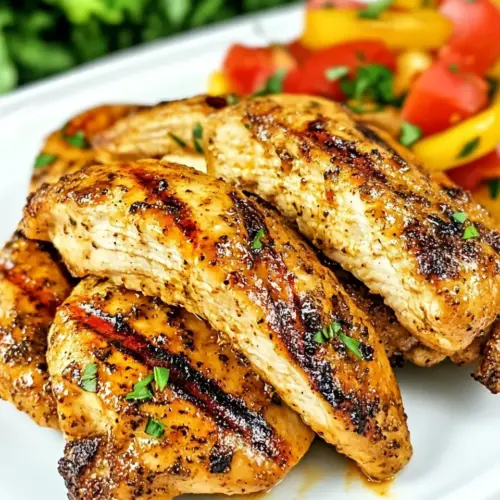
Dr Pepper Grilled Chicken
Dr Pepper Grilled Chicken is a sticky sweet and savory grilled favorite that caramelizes beautifully, delivering tender, juicy chicken with a glossy cola glaze. This easy weeknight dinner blends soda, soy, and brown sugar for a unique, crowd pleasing flavor that is perfect for backyard cookouts or simple family meals. Try it once and you will return to it for quick, flavorful dinners.
Equipment
- Charcoal Chimney Starter
- Grilling Tongs
- Meat Thermometer
- Cast Iron Grill Pan
Ingredients
- 2 cups Dr. Pepper Adds a sweet, caramelized soda marinade that tenderizes meat and infuses a subtle cola flavor; helps create a sticky glaze when reduced during grilling. Provides moisture and acts as a balancing counterpoint to savory and acidic elements in the sauce.
- 1/3 cup soy sauce Contributes a salty, umami-rich backbone that enhances overall savory depth and helps season the chicken through marination. Balances sweetness from the soda and brown sugar while promoting browning on the grill.
- 1 tbsp minced garlic Introduces a pungent, aromatic bite that brightens and layers flavor; aids in tenderizing when combined with acidic components. Distributes evenly throughout the marinade to create complexity and savory interest.
- 1/2 cup brown sugar Supplies molasses-like sweetness and body that helps caramelize into a glossy glaze on the chicken; assists with mouthfeel and browning during cooking. Works with Dr. Pepper to deepen the overall sweet profile without cloying the dish.
- 1 tbsp balsamic vinegar Adds a mellow acidic complexity and slight sweetness that rounds the marinade’s flavors and lifts heavier notes. Helps balance the sweetness from brown sugar and soda while contributing a subtle tang to the glaze.
- 1 tbsp lime juice Provides bright acidity that cuts through richness and lifts flavors; helps tenderize the chicken by breaking down proteins slightly during marination. Enhances the overall freshness of the marinade and complements the balsamic and soda.
- 6 chicken breasts Serves as the primary protein component that soaks up the marinade and provides the main texture and substance for the dish. Benefits from marination to improve juiciness and flavor penetration, and pairs well with the sweet-savory glaze created by the other ingredients.
Instructions
- Combine all ingredients but the chicken in a medium-sized bowl. Stir to incorporate well.: The bowl will smell sweet and tangy as you whisk together the Dr. Pepper , soy sauce , minced garlic , brown sugar , balsamic vinegar , and lime juice . At this stage you should notice the sugar dissolving and a glossy sheen forming, which signals a well integrated marinade. This blending is important because it ensures even flavor distribution when the chicken soaks. A common misstep is leaving clumps of sugar or garlic, which leads to uneven flavor pockets. If you detect a grainy texture, stir until smooth. The aroma should be bright with sweet cola notes and a savory base, hinting at the caramelization to come.
- Place chicken in a large gallon-sized Ziploc bag. Pour marinade over the chicken. Seal tightly and store in the fridge for 4-24 hours.: When the chicken meets the marinade, you should feel the weight of the liquid coating the breasts. Moving it into a resealable bag lets the surface stay in contact with the marinade, and the cool fridge slows enzyme breakdown while letting flavors penetrate gradually. As the chicken rests, the acid and sugar work together to tenderize and flavor the meat. Avoid marinating beyond 24 hours, because the acid can over soften the texture, making it mealy. If you forget it in the fridge, check the texture before cooking: it should still be firm yet yielding, not mushy. Pat the pieces dry briefly before grilling to encourage a proper sear and caramelization.
- Discard marinade and grill until chicken reaches an internal temperature of 165ºF.: As you heat the grill, listen for that first sizzle when the chicken hits the grates, and inhale the rising caramel scent as sugars hit hot metal. Cook with intention, letting the exterior get a deep golden to mahogany color while the interior steadily approaches the safe temperature. Use a reliable meat thermometer to probe the thickest part, aiming for 165ºF which ensures safety and juiciness. Resist the urge to move the breasts constantly, because that prevents proper caramelization. A frequent error is using excessive heat which chars the outside while leaving the center underdone; if you see rapid blackening, move the pieces to a cooler zone and let them finish more gently. When done, rest the chicken briefly so juices redistribute, and you will notice a glossy lacquer on the surface and a fragrant, slightly sweet aroma.
Notes
- Manage your grill heat Keep a two zone setup when possible, a hotter side for searing and a cooler side to finish cooking through, this prevents external burning while ensuring the interior cooks to 165ºF.
- Dry before grilling Quickly pat the chicken dry with paper towels so the marinade sugars caramelize instead of creating steam and blisters on the surface.
- Watch for flare ups Because of the sugar content, flare ups can happen, so move the chicken away from direct flames and lower the temperature until the flames subside.
- Use a reliable thermometer Insert it into the thickest part of the breast to check for 165ºF, this is the most reliable way to avoid overcooking or undercooking.
- Rest before slicing Allow the chicken to rest five to ten minutes after grilling so juices settle and slices remain moist and glossy.
- Adjust marination time by cut If you swap breasts for thighs or tenders, shorten or lengthen marination slightly because darker meat absorbs flavors differently and cooks at different rates.