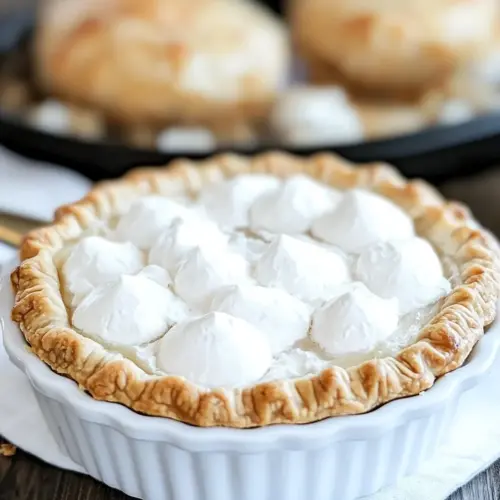
Ding Dong Pie
Ding Dong Pie is a nostalgic, creamy and slightly cakey pie that combines soft snack cakes with a rich egg custard in a flaky pie crust. This easy to assemble dessert delivers contrasting textures and comforting chocolate notes, making it an ideal easy weeknight dessert or crowd pleasing potluck favorite. Give it a try for a simple yet impressive sweet to share.
Equipment
- Oven
- Pie Pan
- Mixing Bowl
- Whisk
Ingredients
- 10 Ding Dong Cakes, unwrapped Layering whole cakes provides the pie with concentrated chocolate and cream flavors while offering structure; use unwrapped Ding Dong Cakes to create the dense filling and recognizable texture. Ensure cakes are evenly distributed to avoid large air pockets and to maintain consistent slices when serving.
- 3 eggs Beating eggs binds the filling components and helps set the custard-like interior during baking; whisk until combined for a smooth texture. Use room-temperature eggs if possible to integrate more evenly with melted butter and other liquids.
- 8 tbsp butter, melted Pouring melted butter adds richness and helps moisten the cake layers so they meld together into a cohesive filling; stir it in thoroughly to distribute fat evenly. Butter also contributes to browning and a silky mouthfeel in the finished pie.
- 1/3 cups sugar Dissolving sugar sweetens the filling and balances the bitter or tangy flavors from the cakes and vinegar; measure carefully to achieve the desired sweetness. Ensure sugar is well incorporated so the texture remains smooth rather than grainy.
- 1 tsp vanilla extract Adding vanilla extract enhances and rounds out the overall flavor profile by contributing warm, aromatic notes that complement chocolate and cream. Use measured vanilla to avoid overpowering other delicate flavors in the pie.
- 1 tbsp white vinegar Incorporating white vinegar provides a mild tang that brightens the sweet components and can interact with eggs to slightly tenderize the filling; add sparingly. Vinegar can also help balance the richness of butter and dense cake layers.
- 1 Pie Crust Fitting a pie crust serves as the vessel for holding the cake-based filling and provides a crisp, contrasting texture; use a prepared crust to save time or blind-bake if a firmer base is desired. Ensure crust edges are crimped or protected to prevent over-browning during baking.
Instructions
- Preheat oven to 350 degrees F.: You will notice the oven warming and a faint dry heat filling the kitchen, which primes the environment for even baking. Preheating matters because it ensures the custard begins to set immediately when it enters the oven, reducing the chance of an underbaked center. While the oven warms, arrange your tools and ingredients so you stay organized. A common misstep is skipping preheat which can lengthen bake time and throw off your timing.
- Place pie crust in pie pan and set aside.: As you fit the crust into the pan, feel its pliability and press gently to remove air pockets, smoothing the edges with your fingers. The visual cue to look for is a snug, even fit against the pan walls, with no large folds. Setting it aside allows you to prepare the filling without rushing, and prevents overhandling the crust. Avoid stretching the dough which can cause shrinkage during baking.
- Whisk together the eggs, butter, sugar, vanilla and vinegar. Cut each ding dong into 4 pieces, then gently fold into the mixture. Do not over mix.: As you whisk, you will hear a light slapping sound from the whisk hitting the bowl and see the mixture transition into a glossy, pale blend. This step creates the custard base, and the way the ingredients emulsify affects the final texture, giving a smooth, creamy body. Why this matters, gentle whisking avoids incorporating excessive air that can create bubbles or an uneven set. A typical mistake is using very hot melted butter when mixing, which can cook the eggs ; let the butter cool slightly before combining.
- Pour into the pie shell and bake for 40 minutes or until set in the center.: Cutting the Ding Dong cakes reveals their sponge texture, and folding disperses them without turning them into mush. When you fold, feel the resistance of the cake as it gives way, and watch for even distribution of pieces. The purpose is to create pockets of cake throughout the custard rather than a uniform batter, which leads to pleasant textural contrast. Overmixing will break down the cakes too much and produce a uniform mass, losing the playful texture.
- Let cool and serve with a dollop of whip cream on top! Enjoy!: As the pie bakes you will notice a gentle rise and a golden edge forming, and the aroma will shift from raw batter to warm, sweet custard. The center should jiggle slightly but not be liquid when gently shaken, that is the visual cue for doneness. Baking fully is important because underbaking leaves a watery center, while overbaking can make the custard dry and rubbery. If the crust begins to brown too quickly, tent with foil to protect the edges while the center finishes setting.
- Let cool and serve with a dollop of whip cream on top! Enjoy!: Cooling allows the custard to finish setting and makes slicing cleaner, you will see the filling firm and slightly sink as it rests. The aroma will mellow and the texture will become more cohesive, so patience here improves presentation and mouthfeel. Serve with a small dollop of cream if you like, which adds a cool, airy contrast. A common oversight is slicing too early which leads to a sloppy wedge, so allow adequate cooling time before serving.
Notes
- Mini tart version: Use smaller tart shells to make individual portions, which shortens bake time and creates charming single serve pastries that are great for parties.
- Crust swap: Try a graham cracker crust for a sweeter, sturdier base that pairs well with cake pockets and gives a crunchy contrast to the custard.
- Top with nuts: Scatter chopped nuts on top before baking for added crunch and a toasty note, watching closely to avoid burning.
- Whipped topping: Serve with a lightly sweetened whipped cream for a cool, airy complement that brightens each bite.
- Make ahead: Bake the pie and refrigerate overnight to allow flavors to meld, then bring to room temperature before serving for best texture.