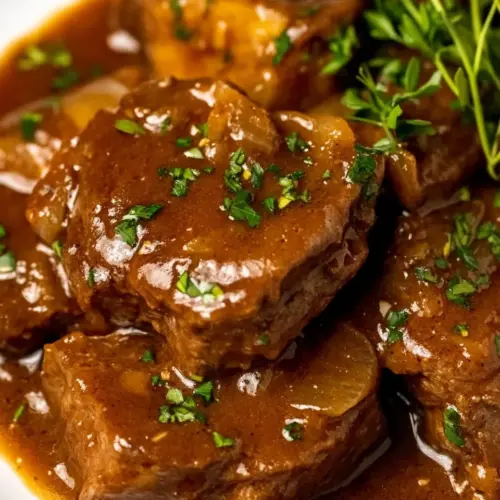
Cube Steak Recipe
Cube Steak Recipe is a hearty, savory skillet meal with tenderized beef, caramelized onions, and a silky mushroom gravy. This easy weeknight dinner delivers crispy edges and rich umami from simple pantry staples, making it perfect for family meals. The quick cooking time and satisfying texture make it a must try for anyone craving comfort with minimal fuss.
Equipment
- Large Skillet
- Shallow Bowl
Ingredients
- 4 cube steaks Sear and tenderize the meat by quickly pan-frying to develop a browned crust and lock in juices; cube steaks provide the hearty protein base and hearty texture for the dish. Pound lightly if needed to ensure even thickness and faster cooking, then brown in hot oil to build flavor for the gravy. Rest briefly after searing to preserve juiciness before finishing in the sauce.
- 1/2 teaspoons salt Season sparingly to enhance overall flavor balance and help bring out the natural beefiness; salt also aids in protein denaturation which improves browning and tenderness. Dissolve partially into any dredging mixture to ensure even seasoning across the steaks. Adjust amount to taste, keeping in mind other salty components like soup mix and broth.
- 1/4 teaspoon pepper Add a mild heat and aromatic lift to the coating and gravy that complements the savory profile of the meat; pepper enhances complexity without overpowering. Sprinkle into the flour dredge and finishing sauce to distribute subtle spice across each bite. Use freshly ground for brighter, more pungent notes.
- 1 cup all-purpose flour Coat the steaks to create a crisp, golden exterior when pan-fried and to thicken the final gravy as it absorbs juices; flour forms the base of the dredge and roux-like thickening. Season the flour with spices for an even-flavored crust, and shake off excess to prevent clumping. Reserve some flour for dusting the pan to help the sauce develop body.
- 1 teaspoon garlic powder Impart a concentrated garlic aroma and savory depth to both the coating and the sauce; garlic powder disperses evenly in dry mixtures and dissolves into gravies. Mix into the flour for the dredge and sprinkle into the pan juices to round out the flavor profile. Use measured amounts to avoid overwhelming the dish.
- 1 teaspoon onion powder Provide sweet-onion undertones and savory complexity that blend smoothly into the coating and gravy; onion powder offers consistent flavor distribution in dry mixes. Combine with the garlic powder within the flour to build a harmonized seasoning base. It also enhances the umami character of the finished sauce.
- 3 tablespoons olive oil Brown the steaks and vegetables with a high-smoke-point oil that promotes even cooking and caramelization; olive oil prevents sticking and aids in crust formation. Use enough to coat the pan and heat until shimmering before adding the meat to ensure proper searing. Reserve some for sautéing mushrooms and onions if needed.
- 1 large onion thinly sliced Caramelize slowly to release natural sugars and build sweetness that complements the savory gravy; thinly sliced onion softens and adds body to the sauce. Cook in oil or butter until translucent and golden to create a flavorful foundation, stirring occasionally so slices cook evenly. Layer into the pan after searing steaks to absorb browned fond.
- 2 tablespoons butter Enrich the pan sauce with a silky mouthfeel and buttery flavor that helps meld the gravy components; butter also aids in browning the onions and mushrooms. Add toward the end of sautéing to finish the vegetables and give the sauce a glossy sheen. Adjust amount for richness preference.
- 1 package onion soup mix approximately one ounce Infuse concentrated savory and salty beef-onion flavors quickly and conveniently to deepen the gravy without lengthy stock reduction; onion soup mix adds seasoning, dehydrated onion bits, and umami components. Sprinkle into the pan with broth to dissolve and create a robust sauce that coats the steaks. Note the sodium content when balancing additional salt.
- 2 cups beef broth Create a savory liquid base that dissolves the soup mix and deglazes the pan to lift flavorful browned bits into the gravy; beef broth adds depth and meaty richness. Simmer with flour and pan juices to achieve desired thickness while melding all seasonings. Use low-sodium if you need to better control salt levels.
- 1 cup mushrooms sliced Contribute earthy flavor and tender texture while soaking up the savory gravy; sliced mushrooms add body and an umami boost to the sauce. Sauté until browned to concentrate their flavor and release moisture before combining with broth and soup mix. Fold into the pan near the end so they remain tender and flavorful.
Instructions
- In a shallow bowl, combine the all-purpose flour, garlic powder, onion powder, salt, and pepper. Mix well.: You will notice the dry mixture becomes aromatic as the garlic powder and onion powder bloom in the flour, offering a warm, toasty scent that promises depth. Use a shallow bowl so you can coat the steaks evenly. Stir thoroughly until the seasonings are uniformly distributed, which prevents salty pockets. A common mistake is failing to mix well, which leads to uneven seasoning and clumps that stick to the meat. The texture should be light and powdery with no lumps, and the aroma should be balanced between savory and faintly sweet from the onion powder.
- Season both sides of the cube steaks with salt and pepper. Dredge each cube steak in the seasoned flour mixture, shaking off any excess.: As you press the cube steak into the flour, you should feel a dry, powdery coating adhere to the meat. The light coating helps form a crisp exterior when it hits the hot oil, and shaking off excess prevents a gummy crust. The flour should cling in a thin, even layer, not a paste. Avoid overcoating which causes thick, undercooked pockets of flour inside the crust. The goal is a delicate, even dusting so the steak develops a golden brown crust and the sauce thickens naturally from the leftover seasoned flour in the pan.
- In a large skillet, heat the olive oil over medium-high heat. Add the cube steaks to the skillet and cook for 3-4 minutes on each side, or until they are browned and cooked to your desired level of doneness. Remove the steaks from the skillet and set them aside.: When the olive oil shimmers and you hear a clear sizzle, slide the steaks in and resist moving them too soon. You want that audible sear and a deep, nutty aroma as proteins brown. Visual cues include a golden to deep brown crust and edges pulling slightly away from the pan. If the pan is overcrowded, the steaks will steam and not brown, so cook in batches if needed. After searing, the steaks will continue to finish in the sauce so you can err slightly under done here, especially since they will simmer later and absorb flavors.
- In the same skillet, add the sliced onions and cook until they are softened and translucent. Add the butter and let it melt with the onions. Sprinkle the onion soup mix over the onions and butter, stirring to combine. Pour in the beef broth, stirring continuously to avoid lumps. Bring the mixture to a simmer and add the sliced mushrooms.: The residual fond in the pan holds intense flavor, and scraping it up with the onion as it softens releases that depth into the base. As the butter melts, it carries the sweetness of the onions, and the onion soup mix dissolves into a fragrant seasoning that smells savory and rich. When you pour the beef broth in, stir so any leftover flour blends smoothly, preventing graininess. The sauce should move from watery to slightly glossy as it comes to a gentle simmer, and the mushrooms will start to exhale an earthy perfume. A common misstep is boiling vigorously which can over reduce the liquid and concentrate saltiness, so aim for a steady simmer.
- Place the cooked steaks back into the skillet, ensuring they are nestled in the onion and mushroom mixture, cover, and simmer for another 10 minutes.: As the steaks rest in the simmering gravy, you will see the sauce thicken and cling to the meat, and the aromas will deepen into a comforting, savory bouquet. The covered pan traps steam which helps the cube steak finish tenderly while it soaks up the sauce. Use this time to watch for gentle bubbling and a glossy sheen on the gravy, that signals the starches from the flour have integrated. Avoid leaving the heat too high, which can over reduce the sauce and toughen the meat. When ready, the steaks should feel tender to the fork and the sauce should coat a spoon with a smooth, velvety finish.
Notes
- Swap cooking fat: Use a neutral oil if you prefer a less pronounced flavor than olive oil, which will still produce a great sear and let the onion and mushroom notes shine.
- Mushroom boost: Increase the amount of mushrooms and sauté them until golden before adding the onions, this creates a bolder earthy base and extra texture in the gravy.
- Onion forward: Caramelize the onion longer for a sweeter, deeper sauce, cooking them slowly until richly golden and nearly jam like before adding the soup mix and broth.
- Thicker gravy: Let the sauce reduce a bit longer, or make a slurry with a small amount of extra all purpose flour mixed into cold broth and whisk it in to reach the desired thickness.
- Batch cooking: Prepare multiple steaks and freeze in portions with gravy, so you can reheat gently for busy nights without sacrificing flavor.