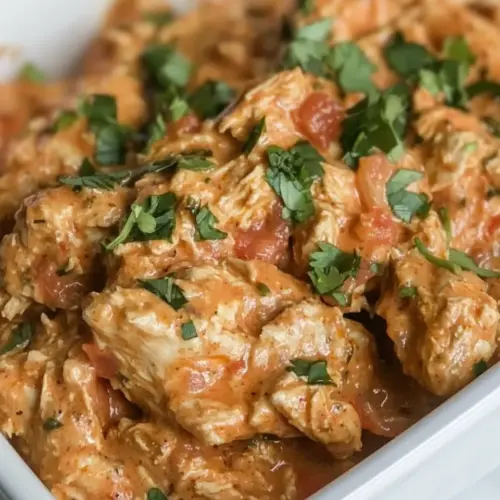
Crockpot Salsa Chicken
Crockpot Salsa Chicken is a creamy, savory slow cooker favorite that turns simple ingredients into an easy weeknight dinner. Tender shredded chicken melds with chunky salsa and cream cheese for a saucy, versatile filling perfect for tacos, nachos, or sandwiches. Make it when you want minimal prep and maximum flavor, and you will have meals ready to go all week.
Equipment
- Crockpot
Ingredients
- 4 boneless skinless chicken breasts (about 6-8 ounces each*) Provide a lean protein base for the dish, offering tender, juicy texture when slow-cooked; ensure even cooking by arranging breasts in a single layer if possible. Trim excess fat and optionally pound to uniform thickness to promote consistent doneness and quicker shredding after cooking.
- 1 teaspoon kosher salt Enhance overall flavor balance by seasoning the chicken during cooking, helping to bring out natural savory notes; dissolves into juices to lightly brine and improve moisture retention. Use measured kosher salt to avoid over-salting, adjusting for any high-sodium additions like store-bought salsa.
- 1/2 teaspoon ground black pepper Season with a warm, aromatically sharp edge that complements the salsa and cuts richness from the cream cheese; freshly ground pepper disperses through the juices for subtle heat. Add at the start of cooking so the pepper flavor integrates into the sauce and meat.
- 24 ounces chunky salsa (1 jar**) Provide the primary sauce component, contributing acidity, sweetness, and tomato-based savory flavors that infuse the chicken as it slow-cooks; chunky texture adds pieces of vegetables for body. Choose a jarred salsa variant that matches desired heat level and stir to distribute evenly around the chicken.
- 8 ounces cream cheese (1 brick) Introduce creamy richness and mild tang that melts into the salsa to create a velvety finishing sauce for shredded chicken; helps bind the mixture and mellows spicy notes. Soften slightly at room temperature or cut into cubes for easier incorporation and even melting.
Instructions
- Spray a large crockpot with nonstick spray.: When you first open the lid you should notice a clean, neutral scent from the pot, and the slick surface helps prevent the chicken and sauce from sticking to the sides as it cooks. This small step makes shredding easier and cleanup quicker, which matters when you want a stress free night. If you skip spraying, the sauce can cling and caramelize on the crockpot walls, making scraping a hassle later. A common mistake is using too much spray, which can pool under the chicken and prevent even browning on the bottom — use a light, even coating.
- Add the chicken to the bottom of the Crock Pot and top with the salt and pepper.: You will see the pale pink of raw chicken transform as it cooks to opaque flakes; the initial seasoning with salt and pepper ensures each piece carries depth of flavor. Press the breasts gently so they sit flat, which helps them cook uniformly. The salt starts the flavoring process right away, drawing some juices to the surface that mingle with the salsa. A common error is uneven seasoning, so sprinkle the salt and pepper evenly over each breast for consistent taste.
- Pour salsa over the chicken and then top with the cream cheese.: As the bright red salsa spreads, you will notice fresh tomato and pepper aromas that will perfume your kitchen while cooking. Nestle the blocks of cream cheese on top so they slowly soften and merge into the salsa, creating a creamy emulsion. This layering keeps the cream cheese protected from direct heat so it melts smoothly rather than breaking. If the salsa is very spicy, the cream cheese moderates it, so don’t skip this unless you prefer a sharper profile. Avoid stirring now because disturbing the layering can cause uneven melting.
- Cook on HIGH for 3 1/2 hours or on LOW for 6-8; or until chicken is cooked through (165°F internal temp).: During cooking the salsa will bubble gently and release steam that carries the scent of tomatoes and chiles. The chicken will gradually firm then fall apart when tested with a fork; the 165°F internal temp is the safe target for doneness. Cooking low and slow yields silkier protein while high is faster but can be slightly less tender. A mistake some people make is lifting the lid often to check, which drops temperature and lengthens cook time, so resist peeking unless necessary.
- Stir together and then shred chicken with 2 forks (should shred easily). This can be done directly in the pot, or on a plate.: After the meat has reached the proper temperature, the forks will glide through with little resistance, and the sauce will cling to the shredded strands creating an appealing texture. Shredding in the pot absorbs juices back into the meat, enhancing juiciness. If the chicken resists shredding, it likely needs more time to break down; return to heat for a short period. Be careful not to shred too finely, or you lose texture, which makes the filling seem pasty rather than meaty.
- Stir again to fully coat in the salsa mixture.: Once shredded, the visual cue to aim for is every strand glossy with orange pink sauce, a blend of tomato and creamy fat. Stirring now ensures the cream cheese is evenly distributed and the flavors marry. If you find pockets of unmixed cheese, warm gently and fold until homogenous. A common pitfall is under stirring, which leaves inconsistent bites where some pieces are saucy and others are dry.
- Use for tacos, nachos, sandwiches, and more!: The aroma here should be inviting, with savory, tangy, and creamy notes combining. Letting the mixture sit briefly off heat allows flavors to settle and makes assembly easier. Be creative with presentations, but avoid overcomplicating the mix by adding sauces with competing flavors. A mistake to avoid is adding very watery toppings right away, which can thin the sauce and make tacos soggy; instead, serve those on the side.
Notes
- Make it spicier by choosing a hot salsa or stirring in chopped jalapeños before cooking, which will infuse the chicken with a sharper, layered heat that mellows as it cooks.
- Make it milder by using a mild salsa and softening with the cream cheese, ensuring picky eaters still enjoy rich flavor without too much kick.
- Bulk it up for meal prep by adding extra cooked beans or vegetables at the end, which stretches the recipe into more meals while keeping prep low.
- Swap the creaminess by using a lower fat cream cheese for a lighter sauce, preserving texture while cutting calories.
- Serve different ways by shredding and portioning into tacos, nachos, salads, or sandwiches, each presentation brings a fresh meal from the same base.