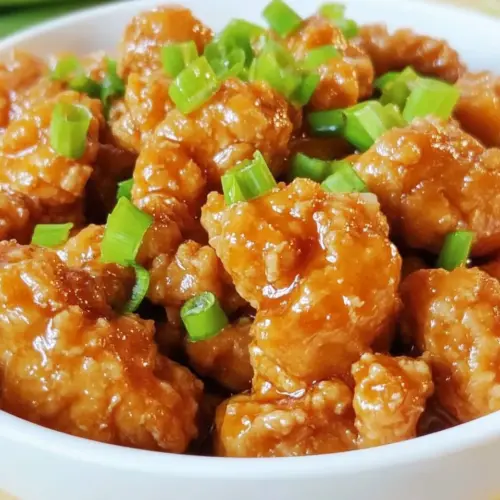
Crockpot Orange Chicken
Crockpot Orange Chicken brings bright citrus and sticky sweet glaze together for an easy weeknight dinner that feels like takeout at home. Tender chicken pieces get a light crust and slow cooked in a glossy orange sauce, creating a comforting, family friendly meal. Make it for busy evenings when you want bold flavor without fuss, and double the sauce if you crave extra sauciness.
Equipment
- Skillet
- Slow Cooker
- Mixing Bowl
Ingredients
- 1 1/2 pounds boneless chicken, cut into 2 inch chunks Provide a tender protein base by using boneless chicken cut into 2-inch chunks to ensure even cooking and easy shredding or serving. Promote sauce absorption and consistent texture when slow-cooked, yielding juicy pieces that hold up without falling apart. Offer a neutral flavor canvas that pairs well with sweet and tangy orange sauce components.
- 1/2 cup all-purpose flour Create a light coating by using all-purpose flour to help the batter adhere and develop a subtle crust when seared or baked before slow cooking. Bind moisture and thicken the sauce slightly as the dish simmers, contributing to a satisfying mouthfeel. Serve as a pantry staple that also helps seasonings cling to the chicken.
- 1/2 cup panko Provide an airy, crunchy element by using panko to add texture to the chicken exterior when breading and frying or baking prior to crockpot finishing. Enhance crispness that contrasts with the saucy orange coating and prevent overly dense breading due to its coarse crumb structure. Offer a stable crust that maintains some integrity even after saucing.
- 1/2 cup milk Contribute moisture and a tenderizing effect by using milk in the breading station to help the flour and panko adhere evenly to the chicken pieces. Soften the coating for better cohesion and promote browning during any pre-cooking step. Act as a mild binder that harmonizes with the egg for consistent dredging.
- 1 egg Act as an emulsifier and binder by using an egg to help the flour and panko adhere to the chicken for a cohesive breading. Promote a golden color and structural integrity during any pre-fry or bake step before slow cooking. Add a touch of richness that supports even coating and mouthfeel.
- 1 tablespoon olive oil Add a light cooking fat by using olive oil to brown the chicken pieces briefly or to grease the pan, imparting subtle fruity notes and preventing sticking. Enhance flavor complexity and help develop a restrained crust if pre-searing the breaded chicken before placing it in the crockpot. Serve as a healthier fat option that complements the orange sauce.
- 1 tablespoon kosher salt Provide seasoning and enhance overall flavor by using kosher salt to bring out natural tastes in the chicken and balance the sweet elements of the sauce. Assist in protein moisture retention when applied before cooking and ensure even seasoning when mixed into breading ingredients. Offer a clean, straightforward salinity without metallic aftertaste.
- 6 ounces frozen orange juice concentrate, no pulp, thawed Introduce concentrated citrus sweetness and intense orange flavor by using frozen orange juice concentrate (no pulp) once thawed to form the sauce base. Deliver natural acidity and fruit-forward aromatics that counterbalance savory and salty elements, while dissolving easily into the crockpot for uniform coverage. Provide concentrated sweetness that reduces need for additional sweeteners.
- 3 tablespoons brown sugar Contribute deep caramel notes and balanced sweetness by using brown sugar to enrich the orange sauce and complement the acidity of the juice concentrate. Help create a glossy sauce texture as it melts and combines, enhancing mouthfeel and depth. Offer a mild molasses undertone that rounds out bright citrus flavors.
- 1 teaspoon balsamic vinegar Add rounded acidity and subtle sweetness by using balsamic vinegar to introduce complexity and a gentle tang to the sauce. Balance the orange concentrate's sweetness and provide savory depth that prevents the sauce from becoming one-dimensional. Enhance the overall flavor profile with restrained, wine-like notes.
- 3 tablespoons ketchup Deliver tomato richness and a touch of umami by using ketchup to thicken the sauce and add sweet-savory balance. Provide a familiar tang that supports both the citrus and brown sugar, helping the sauce cling to the chicken for even coating. Serve as a convenient flavor booster that melds ingredients into a cohesive glaze.
Instructions
- Mix egg and milk in a small bowl.: Warmth from the room will make the mixture smooth and silky to the touch, almost glossy, which is what you want for even coating. The aroma will be neutral, but when whisked the mixture should look uniformly combined without streaks of white. This step creates the adhesive layer that lets the dry coating cling to the chicken , so take your time to beat until homogenous. A common mistake is under whisking, which leads to spotty adhesion and uneven browning. If separation appears, whisk again briefly; it should hold together easily.
- In a separate bowl, mix your flour and panko. In 5-10 piece batches, soak chicken chunks in milk mixture then in flour mixture. Repeat this twice.: The dry mix should be light and airy, the panko giving it a coarse texture that you can feel between your fingers. When you dip the chicken into the milk and then into the flour and panko, press gently so the coating adheres. Repeating the dunking sequence builds layers of texture that help the final pieces develop a slight crust that stands up to slow cooking. You want the surface to feel tacky, not sloppy. One slip up is overcrowding the bowl, which prevents full coverage and leads to patchy coating. Work in small batches and give each piece space so the coating sets.
- In a large skillet, heat olive oil on the stove and brown your chicken on all sides. You will not be fully cooking the chicken, just giving it a nice coat. Place the chicken pieces into your slow cooker.: Heat the olive oil until it shimmers and is just shy of smoking, which signals the pan is ready. The first hiss as you add a piece should be lively, and you will see edges snap to golden brown within a minute or two. Rotate pieces so each side gets color, aiming for a light crust rather than a deep fry. The aroma will turn nutty and caramelized, hinting at the deeper flavor this step brings. This browning adds Maillard complexity that makes the finished dish taste richer. Avoid leaving pieces too long in the skillet, or they will overcook during the slow cycle and become dry. Transfer them gently to the slow cooker to preserve the coating.
- In a small mixing bowl, combine orange juice concentrate, brown sugar, balsamic vinegar, salt, and ketchup. Add more sugar if you prefer a sweeter taste. Pour sauce evenly over the chicken, and carefully toss to coat.: The sauce should be glossy and pourable, smelling bright from the orange juice concentrate with warm molasses notes from the brown sugar . Stir until the sugar dissolves and the ketchup integrates, creating a uniform color and sheen. Pour the sauce so it covers the pieces evenly, watching as the glossy liquid pools around the browned edges and clings to the crust. Toss gently so each chunk gets a glaze, but avoid aggressive stirring that strips the coating. A frequent issue is adding too much salt at this point; taste a small bit of sauce before adding extra. If it seems too sharp, a touch more brown sugar softens it.
- Cover and cook on low for 6 hours, or on high for 3 to 4. Serve warm over the rice or noodles of your choice.: Once the lid is on, the slow cooker will hum quietly, and after an hour the kitchen will start to fill with sweet citrus steam. On low, flavors marry slowly and the meat becomes meltingly tender, while on high the process speeds up but still yields good results. After about half the allotted time, peek for visual cues rather than strict timing, the sauce should thicken slightly and the pieces should look glazed and plump. Avoid lifting the lid too frequently, which lets heat escape and prolongs cooking time. A common mistake is assuming longer equals better; if left excessively long, the coating can break down and the texture can become mealy. Serve when pieces are tender and the sauce has reduced to a glossy glaze.
- Serve warm over the rice or noodles of your choice.: When plated, the sauce should cling to the chicken and lightly coat the base grain, creating a pleasing contrast between soft rice or noodles and the saucy meat. The aroma will be at its peak, citrus sweet with savory undertones. Garnish options add color and texture, and the first bite should reveal a pleasant interplay of tang, sweet, and savory. A misstep here is letting the dish sit too long before serving, which causes the coating to soften further; serve promptly for the best texture.
Notes
- Protein flexibility: You can use boneless skinless chicken breasts or chicken thighs as noted, each will change texture slightly; thighs stay juicier under long cook times while breasts are leaner and cook more quickly, so watch doneness.
- Double the sauce: If you prefer your meal extra saucy, double the sauce quantities; more sauce also makes excellent leftovers for mixing with rice or steamed vegetables.
- Garnish ideas: I like to top with sesame seeds and green onions for texture and brightness, red pepper flakes add heat if you enjoy a little kick.
- Cleanup shortcut: Use a slow cooker liner to save time on washing the crock, simply lift and discard the liner when finished.
- Sweetness control: Adjust the brown sugar to taste before cooking; start conservative as the sauce will concentrate and become sweeter over time.