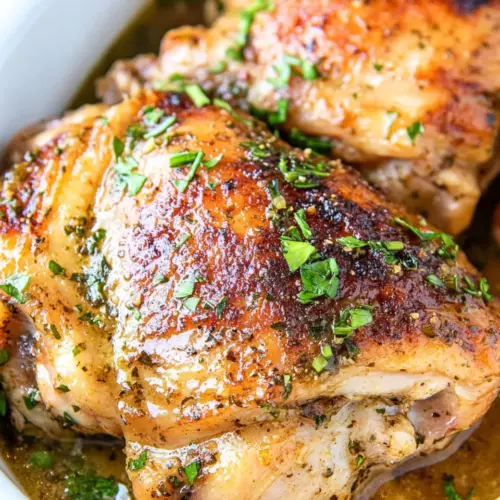
Crockpot Chicken Thighs
Crockpot Chicken Thighs are a tender, juicy, and easy weeknight dinner that fills the kitchen with savory aromas. The seared skin and slow cooked juices create a rich, glossy sauce that is both comforting and crave worthy. Perfect for busy nights or casual gatherings, this recipe delivers consistent results and a crowd pleasing finish.
Equipment
- Slow Cooker
Ingredients
- 2 pounds (900 g) chicken thighs bone-in, skin-on Season generously and enhance overall flavor balance while helping to tenderize and brine the chicken thighs during cooking; adjust quantity to taste for ideal savory depth.
- Salt and pepper to taste Season for finishing and balancing flavors; use to taste to amplify savory notes and control overall seasoning of the dish.
- 1 tablespoon (15 ml) olive oil not extra virgin Use to sear and add a mild fruity fat that prevents sticking when browning the thighs; choose not extra virgin to avoid strong flavor and smoking at high heat.
- 2 tablespoons (26 g) butter Melt to add rich, creamy flavor and help brown the chicken during initial searing; contributes silky mouthfeel to the sauce when combined with stock.
- 1/2 cup (120 ml) chicken stock or chicken broth Provide liquid and concentrated chicken flavor to braise the thighs slowly; supplies the cooking medium that keeps meat moist and forms the base of the sauce.
- 2 cloves garlic minced Infuse aromatic pungency and savory depth when minced and added to the braise; softens and mellows during slow cooking while boosting overall aroma.
- 1 teaspoon Italian seasoning Add a balanced blend of dried herbs to introduce Mediterranean savory notes; complements garlic and onion powder while enhancing the roast character.
- 1/2 teaspoon smoked paprika Contribute smokiness and a warm color to intensify roasted flavor; use sparingly to avoid overpowering the herb profile.
- 1/2 teaspoon garlic powder Provide concentrated garlic flavor in dry form to deepen savory potency and layer with fresh garlic for consistent heat throughout the sauce.
- 1/2 teaspoon onion powder Deliver sweet-umami onion notes in powdered form to round out savory flavors and support browning without adding moisture.
- 2 tablespoons cornstarch (cornflour in the UK) mixed with 2 tablespoons water, optional for sauce thickening Thicken the braising liquid into a glossy sauce when mixed with water and added near the end; use optionally to achieve desired sauce consistency.
Instructions
- Pat the chicken thighs dry with a paper towel and generously season with salt and pepper.: Right away you'll notice the tactile change, the skin becoming less slick and more receptive to browning. The dry surface promotes a deep, golden sear rather than steam, and seasoning early begins the flavor infusion. If you skip thorough drying, the chicken will steam and fail to develop that enticing crust, so avoid crowding your prep space.
- Heat olive oil and butter in a hot pan and sear the chicken thighs skin side down until golden brown.: As the fat hits the pan you will hear a lively sizzle, and within minutes the skin will turn from pale to richly golden. That Maillard reaction produces nutty, roasted aromas that become the backbone of your sauce. I use a moderate high heat to render fat without burning the butter. A common mistake is moving the pieces too soon; let them sit until they release naturally to ensure even browning.
- While the chicken is browning, add chicken stock, garlic, smoked paprika, garlic powder, onion powder, and Italian seasoning to the slow cooker. Add the seared chicken thighs, skin side up.: The moment the liquid and seasonings hit the cooker you will smell herbal and smoky notes rising. This aromatics bath sets the stage for long, gentle flavor extraction. Adding the slurry of dried spices early allows them to bloom, but be careful not to over-salt at this stage; the broth will concentrate as it cooks.
- Cover with a lid and cook on high for 90 minutes or on low for 240 minutes. The chicken is done when its internal temperature reaches 165°F (74°C).: Placing each piece skin side up keeps rendered fat on top, which bastes the meat gently and helps prevent sogginess where it counts. Visually, you'll see the skin glisten with fat and the pieces sit confidently in the liquid, not submerged, which preserves texture. A misstep is submerging the skin, which can leave it limp rather than crispable at the end.
- To make a gravy, remove the chicken from the slow cooker. Stir in a slurry of cornstarch and water, cover, and cook for 15 more minutes.: Over the cooking time the house will fill with savory steam, and the chicken will gradually lose resistance when probed with tongs. That slow transformation yields juicy meat and melded flavors. Use the timing that fits your schedule, but remember that very long low cooking can cause the texture to become overly soft for some preferences.
- For crispier skin, place the cooked chicken under a broiler for a few minutes.: A thermometer reading tells you the exact moment the chicken is safe and perfectly cooked. When pierced, juices should run clear and the meat should feel tender but not falling apart. If you remove it too early the center can be underdone, and if you cook it far beyond this temperature the texture may become mushy, so check the temperature toward the end of the expected time.
- To make a gravy, remove the chicken from the slow cooker: Once you lift the pieces out, the remaining juices are concentrated and aromatic, ideal for finishing into a sauce. You will notice a glossy sheen and a layered savory scent. Leaving the chicken in while thickening can overcook it, so transfer the pieces to a plate first to preserve ideal texture.
- Stir in a slurry of cornstarch and water, cover, and cook for 15 more minutes: Adding the slurry transforms thin broth into a clingy gravy, and the bubbling, thickening liquid will smell even more intense as flavors concentrate. Stirring well prevents lumps and yields a smooth texture. A common error is adding too thick a slurry, which can make the sauce gloopy; add gradually to reach the desired consistency.
- For crispier skin, place the cooked chicken under a broiler for a few minutes: The broiler's direct heat quickly tightens and crisps the skin, producing crackling textural contrast and a toasty aroma. Watch closely because the broiler works fast, and the line between perfectly crisp and burnt is thin. If you leave the chicken too long it will brown excessively, so stay nearby and rotate if needed.
Notes
- Adjust the seasoning: Tailor salt and herbs to your palate. If you prefer milder salt, choose low sodium chicken stock and add salt at the end. Swapping the Italian seasoning for a more herb forward mix shifts the character without changing technique.
- Check the temperature: Use a reliable meat thermometer and remove the chicken at 165°F (74°C). I aim to pull the pieces right at that mark to preserve texture, because cooking much past it can yield overly soft meat.
- Searing is key: A hot stainless steel or cast iron pan gives the best crust. Let the skin sit undisturbed until it easily releases, which indicates a deep golden sear and great flavor development.
- Use low sodium options: If reducing salt is important, pick low sodium broth and unsalted butter, then finish with salt to taste. This gives you more control and prevents oversalting during long cooking.
- Broil for crispness: If you want a crisper finish, transfer the cooked pieces to a baking sheet and broil briefly. Keep the door of the oven in view, because the broiler crisps quickly and can go from perfect to too dark in moments.