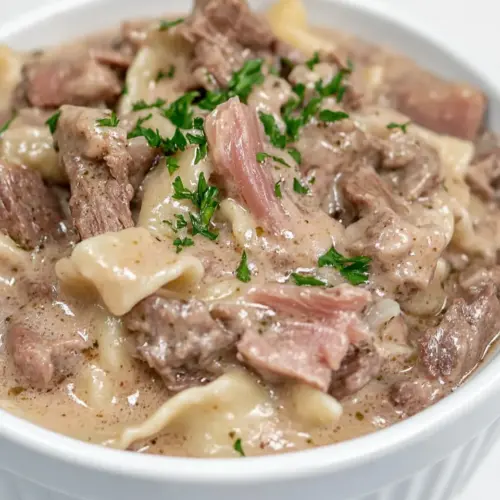
Crock Pot Beef and Noodles
Crock Pot Beef and Noodles delivers creamy, beefy comfort with tender shredded roast and soft noodles in a savory sauce. This easy weeknight dinner uses slow cooker magic to transform a simple chuck roast into a luscious, family friendly meal with minimal hands on time. Make it when you want hearty, cozy food that pleases a crowd.
Equipment
- Slow Cooker
- Two forks
- Whisk
Ingredients
- 2 pounds chuck roast Slow-cook to tenderize tough connective tissues and develop rich, beefy flavor throughout the dish. Provides the main protein and hearty texture that breaks apart into succulent shreds when finished cooking.
- 2 tablespoon Beef Rub Season liberally to build a savory crust and enhance the roast’s natural flavors during browning or slow cooking. Adds balanced salt, pepper, and aromatic notes that permeate the gravy and noodles.
- 3 cups beef broth Simmer to create a deeply flavored cooking liquid that becomes the base for the gravy and helps keep the meat moist. Supplies saline richness and umami that enrich the overall sauce consistency.
- 10.5 ounces can cream of mushroom soup Stir in to lend creamy body and concentrated mushroom-savory notes to the sauce, helping thicken and flavor the final gravy. Contributes a smooth, comforting texture that complements the beef and noodles.
- 2 tablespoons all-purpose flour Whisk with liquids to thicken the sauce and create a glossy, velvety consistency once cooked. Acts as a binder that helps the cream and broth cling to the noodles and meat.
- 16 ounces reames noodles Boil until tender to provide the carbohydrate backbone of the meal and soak up the flavorful sauce. Offers a soft, comforting mouthfeel and bulk that turns the savory components into a satisfying entrée.
- 1/2 cup heavy cream Fold in near the end to enrich the sauce with silky richness and mellow sweetness, balancing the savory and salty elements. Enhances mouthfeel and creates a luxurious finish that ties the beef and noodles together.
Instructions
- In a slow cooker whisk together the broth and cream of mushroom soup.: The aroma of the broth blending with the creamy mushroom base is soothing and rich, you will notice steam rising and the surface smoothing into a uniform pale brown liquid. This step matters because it creates the bathing medium that will both flavor and tenderize the chuck roast , ensuring even flavor distribution. If the mixture seems lumpy, whisk firmly until smooth, a common error is adding solid ingredients without whisking which leads to pockets of undissolved soup. Keep the cooker lid handy so you can trap heat once the roast is added, it helps maintain a steady low temperature for gentle breakdown of connective tissues.
- Season roast with the beef rub on all sides and place it in the slow cooker with the soup mixture.: When you rub the seasoning across the surface you should feel the texture of the crust forming under your fingers, and the scent will become more pronounced. This contact seasoning caramelizes slightly during cooking and gives depth to each shred of meat. The reason this technique is important is it concentrates flavor where the meat meets the sauce, preventing a bland center. Avoid piling the roast on its side or crowding it, as uneven placement can slow heat penetration; lay it so heat circulates freely.
- Then place the cover on the slow cooker and cook on low for 6-8 hours or until roast is fall apart fork tender.: As the hours pass the kitchen will fill with a roasted beef perfume, and you will see the liquid darken and thicken subtly around the meat. Slow, low heat converts collagen to gelatin, resulting in the melt in your mouth texture you want. The why here is crucial, high heat can toughen the muscles even as it softens them superficially. A common mistake is lifting the lid too often to peek, which wastes heat and extends cooking time, so trust the clock and resist opening the pot.
- Shred beef with 2 forks. Stir in the all-purpose flour.: Shredding releases steam and reveals tender strands glistening with sauce, and the meat will easily pull apart if it is properly cooked. Adding the flour at this point thickens the residual juices into a clingy gravy that will coat noodles and meat. The technique matters because flour added too late will not fully integrate, and added too early might form raw pockets. When incorporating flour, whisk a small amount into a ladle of hot liquid first to make a slurry if you see lumps forming, this avoids grainy texture.
- Add the noodles and heavy cream to slow cooker and stir.: When you add the noodles they will settle into the warm sauce and begin to hydrate, releasing a faint wheaty aroma. The heavy cream will immediately mellow and silk the mixture, giving a glossy finish. This order is important because the starch from the noodles helps thicken the sauce further, while cream prevents the sauce from tasting one dimensional. A common pitfall is adding cold cream straight from the fridge which can chill the cooker and lengthen cooking time, so let the cream sit briefly at room temperature if possible.
- Turn to high heat and cover and allow to cook for another 30-40 minutes, stirring a few times, until noodles are cooked and sauce is thick.: On high you will hear a gentler simmer and see the sauce bubble lightly around the edges, a visual cue that the noodles are cooking through. Stirring a few times helps prevent sticking and distributes heat evenly so the noodles cook uniformly. This phase matters because it transitions the dish from separate components into a cohesive, saucy bowl. Watch for the sauce becoming overly dry, and if it tightens too much add a splash of broth; a frequent mistake is leaving it unattended on high which can lead to overly softened noodles or scorching on the bottom.
- Serve immediately.: The final presentation should be steaming bowls filled with ribbon like noodles and tender shredded beef bathed in a silky sauce, the aroma inviting and warm. Serving right away ensures the noodles maintain ideal texture and the sauce is at its creamiest. This matters because if it sits too long the noodles may absorb too much liquid and thicken excessively; reheat gently with a splash of broth if necessary. A common misstep is letting it sit uncovered which can cool and congeal the sauce, so serve promptly for best results.
Notes
- Choose the right cut. Opt for a well marbled chuck roast so the long gentle cooking yields tender, shreddable meat that enriches the sauce.
- Season strategically. Apply the Beef Rub evenly across the roast to concentrate flavor at the surface where it will interact with the cooking liquid.
- Blend for smoothness. Whisk the cream of mushroom soup into the beef broth thoroughly at the start to prevent lumps and ensure a cohesive base.
- Thicken with care. When adding all-purpose flour, mix into a bit of hot liquid first if you see clumping, this avoids grainy texture in the final sauce.
- Mind noodle timing. Add the noodles during the final high phase and stir occasionally so they cook evenly without becoming mushy.