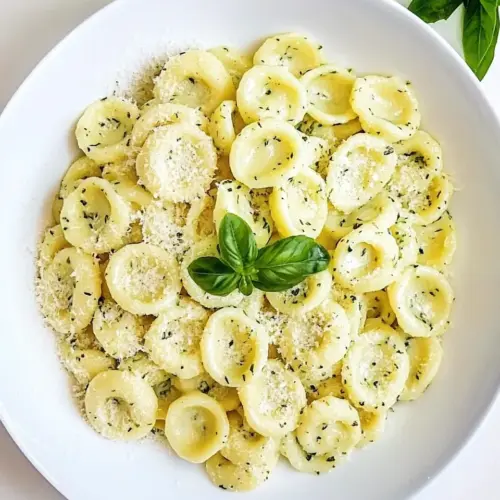
Creamy Zucchini Orecchiette
Creamy Zucchini Orecchiette is a silky, summer pasta that pairs tender zucchini and rich cooking cream with the cupped comfort of orecchiette. This easy weeknight dinner is creamy, light, and quick to make, perfect when you want something satisfying without fuss. Make it for a cozy meal and watch it disappear.
Equipment
- Frying Pan
- Blender
- Pot
- Knife
Ingredients
- 2 tbsp olive oil Sauté in a skillet to provide a flavorful fat base and help brown aromatics; contributes fruity, slightly bitter notes that deepen the sauce. Use at the beginning to infuse the oil with garlic and zucchini while preventing sticking. Balances richness from butter and cream for a lighter mouthfeel.
- 1 tbsp butter Melt to add a rich, creamy mouthfeel and help carry flavors; contributes a subtle sweet, milky note that rounds the sauce. Combine with olive oil to raise the smoke point and create a glossy emulsion with the cooking cream. Use at moderate heat to prevent browning while enhancing silkiness.
- 2 cloves of garlic Mince finely to release aromatic, pungent flavor and provide a savory backbone; brightens and lifts the dish when gently sautéed. Add early to the oil and butter to infuse the entire sauce without burning, allowing its aroma to meld with zucchini. Adjust amount to balance pungency and sweetness.
- 1 zucchini (or summer squash) Slice or dice to contribute tender texture and fresh vegetal flavor; provides moisture that blends with cream to form a light sauce. Cook until just tender for pleasant bite and to concentrate natural sweetness; avoid overcooking to retain shape. Complements pasta by adding bulk and a summery, mild flavor.
- 150 ml cooking cream Pour in to create a smooth, creamy sauce body; supplies fat and silkiness that coat the pasta and vegetables. Simmer briefly to thicken while allowing flavors to meld; prevents the sauce from becoming watery. Choose a stable cream for cooking to avoid separation when heated.
- salt to taste Season sparingly to enhance and balance overall flavors; tightens sweetness and reduces bitterness for a well-rounded dish. Add gradually and taste as you go to avoid over-salting, especially because parmesan contributes saltiness. Use at the end if needed to fine-tune seasoning.
- pepper to taste Grind or crack to add subtle heat and aromatic complexity; enhances savory notes and provides a mild counterpoint to creaminess. Grind fresh for the best flavor and adjust quantity to personal heat tolerance. Finish with a few turns to lift the dish just before serving.
- grated parmesan Grate finely to introduce savory umami and salty depth that enrich the sauce; helps thicken and bind the cream into a cohesive coating. Stir in off heat or low heat so cheese melts smoothly without clumping; contributes nutty, aged flavor that complements zucchini. Use to finish and garnish for visual appeal.
- 4 servings of orecchiette (or your favorite pasta) Cook according to package instructions to provide the primary starchy base and texture of the dish; absorbs and carries the creamy sauce and vegetable flavors. Drain but reserve some pasta water to adjust sauce consistency and help it cling to the orecchiette. Choose orecchiette for its shape that captures sauce and bits of zucchini.
Instructions
- Cut the zucchini into thin slices.: You will notice the fresh green color and a faint, clean vegetal scent as you slice. Thin slices cook quickly and become tender while still holding shape, creating a pleasant contrast with the pasta. A common mistake is cutting pieces too thick, which prolongs cooking and can leave the centers underdone. Aim for uniform thickness so they cook evenly, and use a steady, confident knife motion to avoid ragged edges that release excess moisture.
- Heat the oil in a frying pan and sauté the minced garlic for one minute (don’t let it burn!).: As the olive oil warms, it will shimmer and release a faint fruitiness. Add the minced garlic and stir; you should smell a sweet, aromatic lift within seconds. Listen for a quiet sizzle, which signals the right temperature. If the garlic browns too quickly you get a bitter flavor, so keep the heat moderate and move the pan if needed to prevent hotspots.
- Add the butter, then the zucchini slices. Sauté the zucchini for a few minutes with salt and pepper.: When the butter melts it will foam slightly and create a glossy coating in the pan, enhancing mouthfeel. Stir in the thin zucchini slices so they make contact with the fat; you want a gentle sizzle and a tender conversion, not a collapse. A pitfall here is overcrowding the pan, which steams instead of sautés the zucchini . Cook in a single layer if possible for even caramelization.
- When the zucchini has softened, add the cream and cook for 4-5 minutes over medium heat.: As the slices cook you will see edges soften and the surface develop light color, releasing a sweet, vegetal aroma. Season lightly with salt and pepper to coax out the moisture and enhance flavor. Avoid overcooking, which leads to a watery sauce; stop when the slices are tender but still hold their shape.
- Transfer to the bowl of a blender, add grated Parmesan cheese and blend for a few seconds until smooth.: Pour in the cooking cream and lower to medium so the mixture simmers gently. You want the cream to thicken slightly and pick up the browned bits from the pan, concentrating flavor. Stir occasionally, and keep the heat controlled to prevent the cream from separating. A common mistake is to let it boil vigorously, which can change the texture and cause breakage.
- Cook the pasta according to the package instructions, then toss with the sauce.: The salsa will steam a little as you transfer it, releasing a concentrated, cheesy aroma. Blending creates a silky texture that adheres to the orecchiette , and the grated parmesan melts into the sauce for depth. Take care when blending hot liquids, lift the lid slightly or vent it so pressure can escape. One error is blending too long which can overheat and thin the sauce, so pulse briefly.
- Serve with more grated parmesan!: As the orecchiette boils you will see it swell and become tender, releasing a wheaty aroma. Drain the pasta when it is al dente so it still has some bite, then immediately toss with the warm sauce so the little cups catch the cream. If you rinse the pasta you will wash away the starch that helps the sauce cling. A frequent misstep is letting the pasta sit too long before tossing, which causes the sauce to cool and not coat evenly.
- Serve with more grated parmesan!: When plated, the final sprinkle of grated parmesan adds a nutty, salty finish and a light granular texture that melts into the surface. The dish should look glossy with sauce pooled in the orecchiette cups and flecks of zucchini visible. Overloading with cheese can mask the delicate squash notes, so add to taste and present with confidence.
Notes
- Choose firm zucchini: Select zucchini that are bright and firm to the touch, avoiding soft spots which indicate overmaturity. Firmer squash holds up during sautéing and maintains pleasant texture when blended into sauce.
- Heat control matters: Keep your pan temperature moderate when cooking garlic and zucchini so flavors develop without burning. If your pan is too hot the garlic will brown and become bitter quickly, so lower the heat when needed.
- Blend briefly: Pulse the sauce just enough to smooth it while preserving a little texture, especially if you like small bits of zucchini in the sauce. Overblending can make the sauce overly thin.
- Reserve pasta water: If your sauce seems too thick, a splash of reserved pasta water helps loosen and bind it to the orecchiette. This starchy water improves sauce adhesion and silkiness.
- Freshly grate your parmesan: Pregrated cheese contains anti caking agents that affect melting, so fresh grated parmesan integrates more smoothly for a creamier finish.