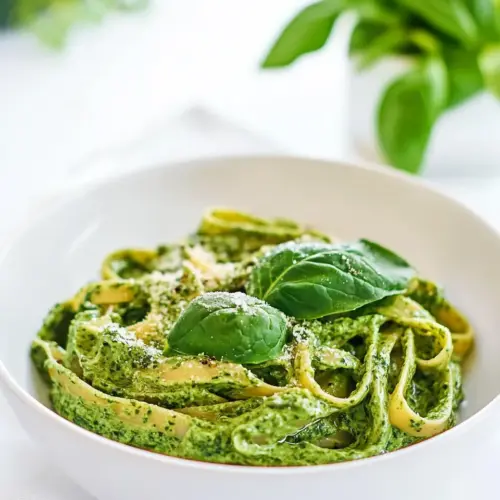
Creamy Spinach Pasta Sauce
Creamy Spinach Pasta Sauce is a silky, garlicky green sauce that clings to pasta, offering a rich, plant based comfort meal. Bright spinach and savory nutritional yeast combine with dairy-free cream for a luscious texture perfect for easy weeknight dinner moments. It reheats well and is endlessly adaptable, making it a smart choice when you want something fast and satisfying.
Equipment
- Non-stick frying pan (10.5 inch / 26 cm)
- Food Processor
- Immersion hand blender with 20 fl oz container
- Simple garlic press
Ingredients
- 4 servings Fettuccine pasta or spaghetti or any other type of pasta you like Adds a sturdy, comforting base to serve the sauce with; provides texture and soaks up the creamy spinach flavors while bringing satisfying chewiness to the dish. Choose fettuccine, spaghetti, or any preferred pasta shape to complement the sauce’s richness and hold the sauce on each strand or bite.
- 1 tbsp Olive oil Coats the pan and prevents sticking while gently frying aromatics; imparts subtle fruity and savory notes that boost overall flavor. Use measured oil to sauté garlic and build the sauce foundation without overpowering the delicate spinach.
- 3 cloves Garlic (finely chopped) Releases pungent, aromatic flavor when finely chopped and sautéed; forms the savory backbone of the sauce and enhances depth. Cook briefly to soften sharpness and unlock sweet, toasty garlic nuances that marry well with the dairy-free cream.
- 7 oz Spinach fresh or frozen spinach puree Provides vibrant color, earthy flavor, and nutrients; fresh leaves or a frozen spinach puree fold into the cream to create a rich, vegetal sauce. Use wilted fresh spinach or pureed frozen spinach for smooth texture and concentrated spinach taste throughout the pasta.
- 1 cup Dairy-free cream Creates a luscious, creamy consistency without dairy; lends body and silky mouthfeel that carries the spinach and seasonings. Choose a neutral-flavored dairy-free cream to ensure richness while keeping the sauce vegan-friendly and smooth.
- 2 tbsp Nutritional yeast or grated vegan Parmesan Contributes a nutty, umami-rich, cheesy flavor that enhances savory depth; works as a vegan alternative to grated Parmesan for added richness. Sprinkle or stir in nutritional yeast or vegan Parmesan to elevate complexity and create a satisfying cheesy finish.
- Salt and Pepper to taste Balances and brightens the sauce by enhancing natural flavors and controlling seasoning levels; use to adjust saltiness and a pinch of pepper to add mild heat and contrast. Taste and season gradually to achieve a well-rounded, flavorful pasta sauce.
Instructions
- Cook pasta in boiling water according to package instructions.: The pot should sound lively, with a steady but not violent boil. As the pasta cooks, it releases a starchy foam that will later help emulsify the sauce, so reserve a cup of the cooking water before draining. You want the pasta to reach al dente, tender yet slightly firm to the bite; overcooking makes it mushy when tossed with the sauce. A common mistake is draining without reserving water, which leaves the sauce thin and unable to cling properly. If you notice sticking, stir gently and add a splash of water to separate the strands.
- Peel and mince or finely chop garlic cloves.: When you mince garlic , tiny pieces release a fragrant, savory steam as they hit the warm oil. The smell should be green and pungent, not acrid. Fine chopping ensures even distribution, so each bite gets a hint of garlic without a raw bite. Avoid cutting garlic too early and leaving it exposed, as it will oxidize and lose brightness. If garlic starts to brown before the oil is warm, lower the heat to prevent bitterness.
- If you use fresh spinach, chop it with a food processor into tiny pieces. If you use frozen spinach puree, let it thaw before using it.: Fresh spinach chopped very small blends into the sauce more smoothly, giving an even green hue. If using frozen puree, let it fully thaw and gently press excess liquid out to avoid watering down the sauce. The scent at this point should be vegetal and slightly sweet. A common misstep is adding frozen spinach without thawing, which cools the pan and releases unwanted water. If the mixture seems watery, cook it a bit longer to concentrate flavors.
- Heat a frying pan or wok on medium heat and add olive oil.: The oil should shimmer but not smoke, signaling the ideal temperature for sautéing. You want enough heat to release the aroma of the garlic without burning it. The surface of the oil will become slightly fragrant when it reaches the right warmth. If the oil smokes, remove the pan from the heat momentarily to cool it down; burnt oil imparts a bitter taste to the entire dish.
- Add minced/finely chopped garlic and stir. Saute for 1 minute.: You should hear a gentle sizzle as the garlic hits the oil, and the scent will go from sharp to nutty within moments. This step creates the aromatic base and flavors the oil, which then infuses the spinach . Stirring ensures even cooking and avoids hot spots that can char the garlic. The typical mistake here is letting the garlic sit and brown; keep it moving and watch for a pale golden edge rather than deep brown.
- Add chopped spinach. Mix well and saute for 1 minute.: As the spinach hits the pan, it wilts quickly and releases a fresh green scent. The volume will shrink, and the texture will soften. Sauté briefly to preserve that bright color and prevent a muddy taste from overcooking. If using puree, you will notice it loosening and warming through. A trap to avoid is overcooking the spinach , which dulls the flavor and color; remove from heat as soon as it is evenly warmed.
- Add heavy cream (we used a dairy-free version) and Parmesan (we used nutritional yeast). Stir well and bring it to a boil. Approx. another 1 minute.: As the dairy-free cream warms, it will blend with the verdant spinach and release a rich, enveloping aroma. Bring it to a gentle boil to marry flavors, watching for tiny bubbles around the edges. The sauce should thicken slightly and take on a glossy sheen. This step deepens flavor and creates the sauce body; rushing it can leave a thin, separated texture. If you spot separation, lower the heat and whisk vigorously while adding a bit of reserved pasta water to bring it back together.
- Take a long thin container and use an immersion blender to make it extra smooth and creamy. (You can skip this step if you don't mind small spinach bites.): Using an immersion blender transforms the sauce into a silken, cohesive emulsion, smoothing any fibrous bits and amplifying the color. The sound will be a steady buzz, and you will see the sauce turn uniformly green and glossy. Blending traps air and lightens the texture slightly, which I love for plating. A potential pitfall is over blending, which can heat the sauce too much and blunt flavors; pulse briefly and check texture often.
- Drain the cooked pasta and mix it with the creamy spinach sauce. Serve it while hot!: Tossing the warm pasta with the sauce allows the starchy surface to bind everything together, coating each strand. The ideal final mouthfeel is velvety, with each bite balanced by salty and savory notes from the nutritional yeast and the brightness of the spinach . Serve immediately to enjoy the contrast of al dente pasta and warm sauce. A common error is letting the pasta cool before tossing, which results in clumping and a less cohesive sauce; always combine while both elements are hot.
Notes
- Use different pasta shapes Try long strands like fettuccine or classic spaghetti for a silky coating, or opt for shells and twists if you want pockets of sauce. Different shapes change the eating experience, so match texture to mood.
- Adjust creaminess If you prefer a lighter sauce, reduce the dairy-free cream slightly and finish with extra reserved pasta water for a glossy, lighter coating without losing flavor.
- Boost umami Increase the savory depth by fine tuning the amount of nutritional yeast, adding it gradually and tasting until you reach the desired cheesy note.
- Fresh vs frozen spinach Fresh spinach gives a brighter green and a fresher flavor when lightly processed, while frozen puree is convenient and consistent; pick based on time and texture preference.
- Make it a one pot Cook the pasta in a wide shallow pot and finish the sauce right in the same vessel to save time and create a more integrated flavor, being careful to reserve some cooking water first.
- Blend texture to taste Use an immersion blender for a silky sauce, or skip it for a rustic, textured finish that still tastes bright and satisfying.