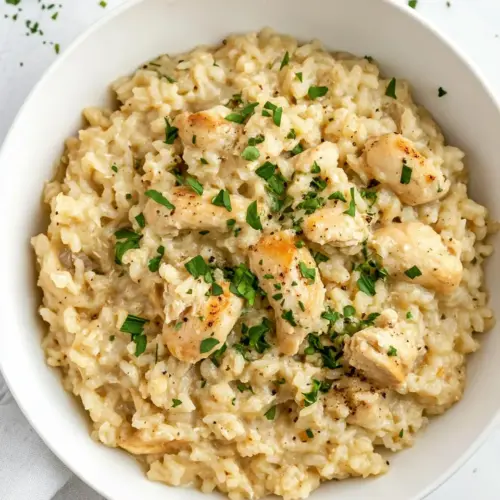
Creamy Chicken And Rice
Creamy Chicken And Rice is a comforting, creamy one skillet favorite, pairing tender chicken with long grain rice in a rich heavy cream and Parmesan cheese sauce. This easy weeknight dinner delivers silky texture and savory depth in under an hour, perfect for family meals and leftovers that taste even better the next day. Make it for simple comfort any night.
Equipment
- Large Skillet
- Lid
- Spatula
- Measuring Cups
Ingredients
- 1 pound chicken breasts (cut into small bite size cubes) Cut into small bite size cubes and cook quickly to develop a golden exterior while keeping the interior juicy; serves as the primary protein and heart of the dish. Season and brown in the pan before simmering so the chicken imparts savory juices to the rice and sauce. Ensure even sizing for uniform cooking and safe internal temperature.
- 1 teaspoon sweet paprika Add warmth and subtle sweetness with a mild smoky note that enhances color and aroma; sprinkle evenly to complement the savory spices. Use during seasoning to build depth without overwhelming the dish. Adjust amount slightly if pairing with other bold flavors.
- 1 teaspoon garlic powder Provide a concentrated garlic flavor that infuses the dish with savory umami notes; sprinkle during seasoning or with the chicken for consistent taste. Works well when combined with fresh garlic to layer flavors. Use measured amount to avoid overpowering the cream.
- 1 teaspoon onion powder Offer a gentle oniony sweetness in powdered form to support the savory backbone and round out the seasoning blend; incorporate with other dry spices. Enhances overall balance without adding moisture. Complements sautéed fresh onions for depth.
- 2 tablespoons butter (unsalted) Melt to create a flavorful cooking medium that helps sauté the onion and brown the chicken; contributes a rich, silky mouthfeel to the finished sauce. Use unsalted to control overall sodium and adjust seasoning later. Clarify slightly if a cleaner butter flavor is desired.
- 1 large onion (chopped) Sauté until softened and translucent to build a sweet, aromatic base providing natural sugars and savory depth to the rice and sauce. Chop uniformly to blend texture evenly throughout the dish. Cook until fragrant but not browned for a milder flavor.
- 3 cloves garlic (minced) Mince and add to the pan for a sharp, aromatic punch that brightens the savory profile and layers with garlic powder for complexity. Add toward the end of sautéing to avoid bitterness from overcooking. Releases essential oils that mingle with butter and seasonings.
- 1 tablespoon Italian seasoning Sprinkle to introduce a fragrant blend of herbs that complements chicken and rice with Mediterranean-inspired flavors; helps lift the creamy sauce. Add during sautéing to bloom the herbs and release aromatics. Use dried or fresh equivalent amounts as needed.
- 1 cup rice (long grain, such as Jasmine) Rinse if desired and cook with the broth to absorb flavors while providing a tender, fluffy carb base; long-grain rice retains a light, separate texture in creamy preparations. Measure precisely for proper liquid ratio and even cooking. Select Jasmine for a subtle floral note that pairs well with cream.
- 2 cups chicken broth (low sodium) Pour to supply savory liquid for cooking the rice and building the sauce; low sodium allows better control over final seasoning. Warm gently before adding to maintain consistent cooking temperature. Use high-quality broth to enhance overall flavor.
- salt and pepper to taste Season to taste at multiple stages to balance the dish, drawing out flavors in the chicken, vegetables, and creamy sauce; add gradually to avoid over-salting. Use freshly ground pepper for brighter heat and adjust at the end. Keep palate-tested to ensure harmony with the Parmesan.
- 1 cup heavy cream Stir in to create a rich, velvety texture that binds the rice and chicken into a cohesive, luxurious sauce; heavy cream adds body and smooth mouthfeel. Add off heat or gently simmer to avoid separation. Adjust quantity for desired creaminess.
- 1 cup Parmesan cheese (freshly grated) Fold in for a nutty, salty finish that melts into the sauce and brightens the overall savory profile; freshly grated Parmesan offers the best texture and flavor. Stir until fully integrated to thicken the sauce slightly and provide umami depth. Taste and add more if a cheesier character is preferred.
- fresh parsley (for garnish) Garnish to provide a fresh, herbaceous contrast that lightens the rich, creamy dish and adds color for presentation. Chop finely and sprinkle over servings just before plating to preserve brightness. Adds a subtle herb aroma that complements the Italian seasoning.
Instructions
- Season the chicken with the sweet paprika, garlic powder and onion powder. Set aside.: You will notice a faint reddish hue from the sweet paprika and a combined savory aroma as the powdered spices meet the surface of the chicken , which signals the start of layering flavor. This dry rub helps create a base of flavor that will penetrate the meat as it cooks, and it also encourages a light crust when the pieces hit the hot fat. One common mistake is over seasoning unevenly, so sprinkle and rub the spices into the pieces for consistent coverage. If the spices smell musty, replace them rather than trying to mask stale notes later.
- In a large skillet melt the butter over medium heat. Add the onion and cook for 3 minutes until soft and translucent. Add the garlic and cook for another 30 seconds until aromatic.: As the butter melts you will hear a soft sizzle and smell a toasty, slightly sweet perfume; when the onion becomes translucent it releases sugars that sweeten the pan, turning the smell rich and inviting. Adding the minced garlic for just 30 seconds boosts aroma without risking bitterness. This gentle sweat builds the aromatic foundation you will taste in every bite. Avoid browning the onion heavily at this stage, as that changes the intended brightness.
- Add the chicken to the skillet and cook for 5 minutes until no longer pink.: When the cubed chicken hits the pan you should hear a louder sizzle and see the pieces begin to sear at the edges, creating small golden patches that add texture. Cooking until the interior loses its pink ensures food safety and creates Maillard notes that deepen flavor. Use medium heat so the exterior browns slightly without drying the interior. A typical error is crowding the pan which causes steaming, not searing, so cook in batches if needed.
- Add Italian seasoning, rice, chicken broth and season with salt and pepper. Bring to a boil, then reduce the heat to a simmer and cover the skillet with a lid. Cook for 15 minutes without stirring in the rice.: As you add the rice and chicken broth you will notice the liquid glint and steam rising; bringing it to a vigorous bubble signals the starches are beginning to hydrate. Reducing to a gentle simmer and covering creates even steam circulation so the rice cooks through uniformly. Resist the urge to stir, because stirring releases starch and can lead to a gummy texture, while the undisturbed steam ensures separate yet tender grains. A common slip is lifting the lid early which lets heat escape and can lengthen cooking time, so keep the lid closed for the full period.
- Stir in the heavy cream and Parmesan cheese and cook for a couple more minutes until the rice absorbs most of the cream. Taste for seasoning and adjust with salt and pepper as needed.: When you remove the lid the pan should release a warm, savory steam and the surface will show plump, hydrated grains. Adding the heavy cream and grated Parmesan cheese transforms the liquid into a glossy, coating sauce; you will hear a gentle simmer and see the sauce thicken as it clings to the rice . Stirring now brings the components together and lets you gauge texture; the dish should be creamy but not soupy. If the sauce is too thin, give it a minute to reduce, if too thick add a splash of broth. Overheating after adding cream can cause separation, so keep the heat low and stir gently.
- Garnish with parsley and serve immediately.: The final flourish of chopped parsley adds a fresh herbal scent and bright green contrast against the creamy surface. Serve while the dish is hot so the sauce feels velvety on the tongue and the aromas are most alive. If you wait too long the sauce can set and the texture changes, so plan to plate and eat promptly. A usual oversight is leaving the dish to cool uncovered which dulls the flavors, so garnish and bring it to the table right away.
Notes
- Swap the rice style — Try jasmine for fragrant, slightly sticky grains or long grain white for more separated texture, keeping cooking time similar but minding water ratios.
- Make it lighter — Replace some of the heavy cream with a splash of milk to reduce richness while preserving a creamy mouthfeel, stirring gently to combine.
- Increase herb freshness — Fold in chopped basil or extra parsley at the end for a greener, brighter finish that contrasts the richness.
- Boost umami — Stir a small spoonful of grated Parmesan cheese into each serving to elevate the savory note without changing the base recipe.
- Stretch for a crowd — Double the ingredients and use a wide heavy bottom pan to ensure even cooking; you may need to extend simmer time by a few minutes to account for volume.