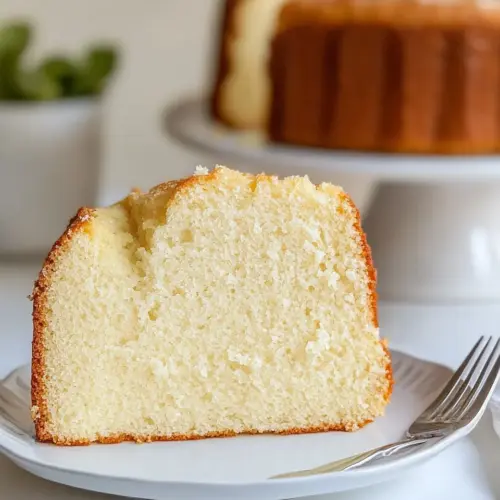
Cream Cheese Pound Cake
Cream Cheese Pound Cake is a rich yet tender loaf that combines creamy butter and tangy cream cheese for a velvety crumb. The cake is golden on the outside and stays moist for days, perfect for brunch or an easy crowd pleasing dessert. With straightforward ingredients and a forgiving method, this recipe is ideal for bakers who want a reliably delicious treat.
Equipment
- Electric Mixer
- 12 cup bundt pan
- Rubber spatula
- Measuring Cups
Ingredients
- 1 1/2 cups unsalted butter, softened (3 sticks) Add softened to ensure smooth incorporation and a tender, rich crumb; provides the primary fat that contributes to moistness and structure. Creams with sugar to incorporate air for lift and richness in the pound cake.
- 8 ounces cream cheese, softened Soften further to blend seamlessly with butter and contribute tangy richness; provides moisture and a dense, velvety texture characteristic of classic pound cake. Adds stability and enhances flavor complexity when beaten with fats and sugar.
- 3 cups granulated sugar, divided Divide sugar to control sweetness and creaming efficiency; granulated sugar helps create fine crumb and tender texture by aerating the batter when creamed with fats. Use measured amounts to balance sweetness and caramelization during baking.
- 6 large eggs Beat large eggs at room temperature to promote emulsification and structure; eggs add moisture, richness, and help leaven slightly while binding ingredients together. Incorporate gradually for a smooth, homogeneous batter that supports a fine crumb.
- 1 tablespoon vanilla extract Add vanilla extract to impart aromatic flavor and depth; enhances sweetness perception and complements the buttery, creamy notes of the cake. Stir in with wet ingredients to evenly distribute its aroma throughout the batter.
- 1 teaspoon baking powder Measure baking powder to provide gentle lift and lightness; acts as a chemical leavening agent that produces carbon dioxide during baking for a tender crumb. Use as specified to avoid over-expansion or dense texture.
- 1 teaspoon salt Incorporate salt to balance sweetness and enhance overall flavor; small amount strengthens gluten slightly and rounds out the cake's profile. Even in sweet recipes, salt is essential for depth and contrast.
- 3 cups all-purpose flour (stir in bag, spoon in cup, level) Sift or spoon flour to measure accurately and avoid packing; all-purpose flour supplies the necessary gluten and structure for the cake's body. Stirring and leveling as indicated ensures consistent texture and prevents toughness.
Instructions
- Set out the butter, eggs, and cream cheese to come to room temperature. Preheat the oven to 325 degrees F. Move one oven rack to the center of the oven and remove any racks above it.: Warmth on the ingredients changes everything here, because room temperature butter , eggs , and cream cheese will blend into a silky, homogenous batter that traps air effectively. When you touch the butter it should give slightly without being greasy, and the cream cheese should spread with gentle pressure. The oven heat at 325 degrees F is steady and moderate, which encourages even browning and a gentle rise without cracking. A common mistake is starting with cold ingredients, which leads to a lumpy, under-creamed batter and an uneven bake. If the oven is hotter than noted, the crust will set too quickly and the interior may remain underdone.
- Pull out a standard 12-cup capacity bundt pan. Grease the bundt pan with extra butter or shortening, then scoop 1/4 cup sugar into the pan and shake it around until the fat is well coated in sugar. Dump out any excess sugar. Set aside.: Coating the pan with both fat and sugar creates a fine textured crust that helps the loaf release cleanly and adds a subtle sparkle to the exterior. When you press your finger to the greased surface, it should feel slick but not greasy, and the sugar should cling uniformly. If you skip the sugar step, the cake may stick or lack that delicate exterior bite. Use a pan that is truly around 12 cups; too small and the batter will overflow, too large and the loaf spreads too thin.
- Place the softened butter and cream cheese in the bowl on an electric. Beat on high until the mixture is totally smooth. Scrape the bowl with a rubber spatula, then add the remaining 2 3/4 cups sugar. Beat on high again for 3-5 minutes to cream the ingredients until very light and fluffy. Scrape the bowl again.: This creaming stage is sensory heaven, because the mixture will transform from dense and tacky to pale and airy, with a ribbon like texture when the beaters lift. You should hear a change in the mixer as the air gets incorporated, and the batter will feel light when stirred. This is where structure is built, so rushing it or under creaming will yield a dense loaf. Avoid over beating after the eggs are added, but at this stage you want robust aeration. If lumps of cream cheese remain, stop and scrape until completely smooth to prevent pockets in the crumb.
- Turn the mixer on low and beat in the eggs, vanilla extract, baking powder, and salt. Then slowly add the flour a little at a time, until fully combined. Once the batter is smooth, turn off the mixer, as to not overmix the batter.: Adding the eggs and flavorings on low keeps the emulsion stable so the batter does not separate. You will notice the batter loosen slightly as the eggs incorporate, and it should look glossy and homogeneous before you add the flour . Introducing the flour gradually prevents clumping and overworking the gluten. The visual cue is a smooth, thick batter that falls from a spatula in a slow ribbon. A frequent error is dumping all the flour at once, which creates dry pockets and encourages over mixing, leading to a tough texture. When the batter is ready it should hold its shape modestly yet still be scoopable.
- Scoop the batter into the prepared pan. Bake on the center rack for 80-90 minutes. After 80 minutes, test the cake by inserting a toothpick deep into the center of the cake. If it comes out clean, take the pound cake out of the oven.: As the loaf bakes you will smell a warm, buttery aroma with a hint of vanilla and a gradual deepening of color at the edges. The exterior should be golden and set, while the center continues to rise gently. The toothpick test checks internal doneness, but also pay attention to the cake pulling slightly away from the pan sides, which is another good signal. Opening the oven too often can cause uneven rising and lengthen baking time, so limit checks. If your toothpick shows moist crumbs, give it another ten minutes and check again rather than allowing it to overbake.
- Let the cream cheese pound cake rest in the pan for 15 minutes. Then carefully flip the cake onto a platter or baking rack.: Resting allows the internal steam to redistribute so the loaf holds together when turned out. You will see a faint release of steam as you invert the pan, and the crust will feel set but still warm. Use a gentle but confident motion when flipping, and if the cake resists, run a thin spatula along the edge to loosen it. A common mistake is flipping too soon, which can cause the loaf to split or break. After the turn out, allow the cake to cool fully before slicing to maintain clean slices and a stable crumb.
Notes
- Brighten with citrus: Fold a small amount of finely grated citrus zest into the batter toward the end of mixing to add a fresh, aromatic lift that pairs wonderfully with the tang of cream cheese.
- Adjust sweetness carefully: Reduce the granulated sugar by up to 1/2 cup if you prefer a less sweet loaf, but keep the sugar in the pan coating step to preserve the crust and release.
- Make ahead and store: Cool completely, then wrap the loaf tightly and keep at room temperature for up to three days, or freeze slices individually for longer storage.
- Swap pans thoughtfully: If you use a loaf pan instead of a bundt, reduce baking time and check for doneness earlier, because the batter will be deeper and the bake dynamic changes.
- Leveling for presentation: If the top is uneven, trim and level while still slightly warm before flipping to ensure the loaf sits flat on a cake stand.