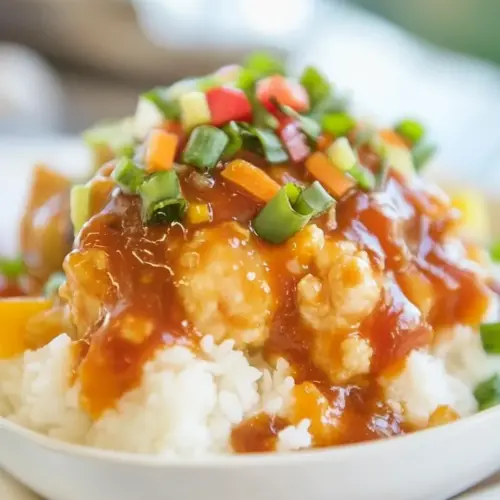
Copycat Cheesecake Factory Bang Bang Chicken and Shrimp
Copycat Cheesecake Factory Bang Bang Chicken and Shrimp marries crisped chicken and tender shrimp with creamy coconut curry and a tangy peanut drizzle. This creamy and slightly spicy plate is great for an easy weeknight dinner, offering crunchy toppings and aromatic spices for a restaurant style meal at home. Try it for a balanced, crowd pleasing dinner that tastes impressive.
Equipment
- Large Skillet
- Medium Saucepan
- Small Saucepan
- Rice pot
Ingredients
- 1 teaspoon olive oil Enhance sautéing by providing a mild, fruity fat that helps soften aromatics and prevents sticking while adding subtle richness to the dish.
- 1 teaspoon sesame oil Introduce a nutty, toasted flavor and aroma that complements Asian-inspired sauces while boosting the overall savory depth in small amounts.
- 1/8 teaspoon red pepper flakes Add concentrated heat and a lingering spicy note to the sauce; use sparingly to control the dish's overall spiciness and balance flavors.
- 2 cloves garlic (minced) Impart sharp, pungent flavor and savory bite when minced; helps build the foundational aroma and melds with spices during cooking.
- 1 small onion (chopped) Contribute sweet-savory complexity and texture when chopped; browning releases sugars that deepen the base flavor of the sauce.
- 1 teaspoon ginger (minced) Deliver bright, warm, slightly spicy citrusy notes when minced; helps cut richness and enhances the sauce’s fresh aromatics.
- 1/2 cup water Provide thinning and simmering liquid to help dissolve spices and form the curry-like coconut sauce without diluting flavor excessively.
- 1/2 teaspoon cumin (ground) Introduce warm, earthy, slightly bitter undertones that add depth and complexity to the spice blend and overall savory profile.
- 1/2 teaspoon coriander (ground) Contribute citrusy, slightly floral warmth that complements cumin and adds dimension to the curry-like seasoning profile.
- 1 teaspoon paprika Deliver smoky, sweet warmth and contribute color to the sauce, enhancing savory layers and pairing well with coconut milk.
- 1/4 teaspoon salt (or to taste) Bring controlled seasoning and flavor enhancement; adjust to taste to balance sweetness, spice, and richness in the sauce.
- 1/4 teaspoon pepper (or to taste) Add mild heat and savory balance when seasoned, helping to round out flavors and accentuate other spices.
- 1/4 teaspoon allspice Provide warm, woody, slightly sweet complexity to the spice mix, rounding out savory and aromatic notes in the dish.
- 1/4 teaspoon turmeric Introduce a mildly bitter, warm color and earthy brightness that pairs well with turmeric-forward sauces and coconut milk.
- 14 fluid ounces coconut milk (1 can) Provide creamy richness and tropical flavor that creates the sauce base, lending body, sweetness, and smooth mouthfeel to the dish.
- 1 medium carrot (julienned) Add crisp texture and mild sweetness when julienned; contributes color contrast and a fresh bite to the finished plate.
- 1 small zucchini (julienned) Provide tender-crisp texture and mild vegetal flavor when julienned; complements the carrot and soaks up sauce for balanced bites.
- 1/2 cup peas (frozen) Contribute pops of sweetness and color; frozen peas add quick-cooking convenience and contrast to the sauce’s richness.
- 1/4 cup peanut butter (creamy) Offer creamy, nutty richness and help thicken and bind the sauce while adding a savory peanut flavor to the dish.
- 2 tablespoon water Allow for fine consistency adjustment of the peanut sauce and help achieve desired thickness without changing flavor.
- 1 tablespoon sugar Add a touch of sweetness to balance savory, spicy, and tangy elements; helps round flavors in the peanut-style sauce.
- 1 tablespoon soy sauce (reduced salt) Provide umami saltiness and depth from soy; enhances savory notes and balances sweetness in the sauce.
- 1 teaspoon rice vinegar Introduce gentle acidity to brighten flavors and cut through the richness of coconut milk and peanut butter.
- 1 teaspoon lime juice Add fresh citrus brightness that lifts the overall flavor profile and provides a subtle tart counterpoint to richness.
- 1/8 teaspoon red pepper flakes Increase heat subtly and reinforce the earlier pepper flakes, allowing for consistent spiciness throughout the sauce profile.
- 1 chicken breast (cut into bite size pieces) Supply lean protein with a tender texture when cut into bite-sized pieces; absorbs sauce flavors and provides substance.
- 10 medium shrimp (shelled) Bring sweet, briny seafood flavor and tender texture; cooks quickly and pairs well with the peanut-coconut sauce.
- 1/4 cup cornstarch Help create a light, crisp coating for the proteins when dredged, promoting a slightly crunchy exterior after frying or sautéing.
- 2 tablespoon vegetable oil Provide neutral frying oil with a high smoke point for crisping proteins and cooking aromatics without imparting strong flavors.
- 2 cups rice (cooked) Serve as the staple carbohydrate base to absorb sauce and make the dish hearty and satisfying once cooked.
- 1/2 cup flaked coconut (toasted) Add toasted tropical flavor and crunchy texture as a garnish that complements the coconut milk and peanut elements.
- 1/4 cup peanuts (chopped) Offer crunchy, salty contrast and nutty flavor when chopped and sprinkled on top, enhancing texture and visual appeal.
- 2 green onions (julienned or chopped) Provide mild oniony freshness and green color as a garnish, adding crispness and aromatic lift when julienned or chopped.
- sesame seeds (optional) Offer optional visual contrast and slight nutty crunch as a finishing sprinkle to complement the dish’s textures and flavors.
Instructions
- Heat the 2 tbsp of vegetable oil in a large skillet. Season chicken pieces and shrimp generously with salt and pepper. Sprinkle the cornstarch over chicken and shrimp and toss, making sure each piece is fully coated in cornstarch. Add the coated chicken to the skillet and cook for a couple minutes per side, until slightly golden. Remove from skillet and add shrimp. Cook shrimp for a couple minutes until slightly pink and remove from skillet. Set aside.: The sizzling sound is your cue that the pan is hot enough to sear. When the oil ripples and gives off a faint toasted aroma, it will produce a thin, crisp crust on the proteins instead of steaming them. This step adds an appetizing brown color, and browning enhances savory notes through the Maillard reaction. A common mistake is adding proteins to an underheated pan, which results in pale, soggy pieces that do not seal in juices. If smoke begins to form, reduce heat slightly, and wipe the pan if necessary then reheat so the oil is hot but not smoking.
- To make the peanut sauce add all ingredients in a small sauce pan and heat just until the mixture begins to bubble; cover and remove pan from heat.: When you season generously, the flavors penetrate the surface during searing, creating savory layers that carry through the entire dish. You should feel the texture of the seasoning on the surface; well seasoned proteins taste brighter against creamy sauces. Over seasoning at this stage can make the dish overly salty, so taste other components first if you are concerned about sodium. If the pieces are uneven, some will cook faster; cut uniform sizes to avoid this inconsistency.
- In a medium sauce pan heat the olive oil, sesame oil and crushed red pepper flakes over medium heat. Add chopped onion, garlic and ginger and cook just until onion is translucent. Add spices and water and stir well. Bring to a boil, then add coconut milk and bring the mixture back up to a boil. Reduce heat and simmer for about 20 minutes or until sauce thickens. Add julienned carrots and zucchini, then peas. Cook for another 10 minutes or until carrots are tender.: You will notice a dusty, slightly tacky coat that helps the surface crisp as it hits the oil. Cornstarch creates a delicate barrier that promotes even browning and helps the sauce cling. If you use too much cornstarch, the coating can turn gummy, so shake off any excess before the pan. A frequent error is crowding the pan with wet coated pieces, which causes them to steam rather than crisp; cook in batches if needed.
- Divide the rice into 4 plates. Add chicken and shrimp, dividing them equal among the 4 plates. Spoon the coconut curry over chicken and shrimp. Drizzle peanut sauce over the dish. Top with crushed peanuts, sesame seeds if desired, green onions and some of the flaked coconut.: Listen for a steady sizzle and look for a thin, golden edge forming; that indicates moisture has been sealed inside. The color is a visual guide to doneness and flavor development. Avoid flipping too often, since that interrupts browning; let the chicken sit to form a crust. A typical pitfall is overcooking; remove the chicken when it is slightly under the final doneness because it will continue to cook when combined with the sauce.
- Remove from skillet and add shrimp: The shrimp should sear quickly and develop small browned edges while staying tender in the middle. This contrast between the finished shrimp and the resting chicken keeps textures distinct. Shrimp cook very fast so watch the color change; overcooked shrimp become rubbery. If shrimp lose firmness while cooking, it means they have gone past their optimal window, so remove them immediately.
- Cook shrimp for a couple minutes until slightly pink and remove from skillet: Visual cues like opaque bodies and a slight curl tell you they are done. The sizzling will quiet slightly as the moisture reduces. Shrimp that curl tightly into a ring are often overdone; aim for a gentle C shape. To avoid overcooking when working in batches, transfer finished pieces to a warm plate while you finish the sauce.
- Set aside: Resting the proteins lets residual heat redistribute juices, keeping the chicken moist. A brief rest also prevents them from continuing to cook aggressively when reintroduced to a boiling sauce. A mistake is leaving them uncovered for too long which can dry the surface; tent lightly with foil or keep in a warm spot.
- To make the peanut sauce add all ingredients in a small sauce pan and heat just until the mixture begins to bubble cover and remove pan from heat: As the sauce warms, aromas of roasted peanut butter and the sugar will mingle. Heating concentrates flavors and makes the sauce pourable; covering helps retain heat and finish smoothing any lumps. Do not allow it to boil hard, which can separate oils and make the texture grainy. If your sauce seizes or becomes grainy, whisk in a splash of warm water slowly until it smooths out again.
- In a medium sauce pan heat the olive oil sesame oil and crushed red pepper flakes over medium heat: The pan should smell faintly toasted from the sesame oil and the pepper will release tiny bursts of heat. Medium heat encourages aromatics to soften without burning. If you move too quickly with high heat the garlic and ginger will char and taste acrid, so keep the heat moderate and stir often.
- Add chopped onion garlic and ginger and cook just until onion is translucent: You will see the onion lose its opaque sheen and soften, while the garlic and ginger become fragrant. This builds the savory foundation, and the gentle sweat draws out natural sweetness. Burnt bits here create bitterness in the finished curry, so stir and adjust heat down if browning occurs too quickly.
- Add spices and water and stir well: When you add cumin , coriander , paprika , and others to a moist pan, their oils bloom and the aroma intensifies, creating complexity. The small amount of water helps to dissolve and distribute spices so they do not clump. A common error is adding spices to a cold pan where they will not bloom, so ensure the pan is warm to release their essential flavors.
- Bring to a boil then add coconut milk and bring the mixture back up to a boil: The bubbling surface indicates the coconut fat and liquids are integrating, which yields a creamy base. Watch for tiny bubbles around the edges and an even motion across the surface. If you boil too vigorously it can break the coconut milk, causing separation; maintain a gentle rolling boil and reduce promptly.
- Reduce heat and simmer for about 20 minutes or until sauce thickens: Simmering concentrates the flavors and reduces excess water, creating a silkier texture that clings to chicken and shrimp . You will see the sauce coat the back of a spoon as it thickens. Stir occasionally to prevent sticking and scalding. A mistake is rushing reduction with high heat which can curdle the milk, so maintain a low simmer.
- Add julienned carrots and zucchini then peas: Fresh veg added now retain some bite while taking on the curry flavor. The vibrant colors should remain visible, and the carrots should soften slightly but keep a pleasant snap. Overcooking here leads to limp veg that lose textural contrast; check for tenderness frequently.
- Cook for another 10 minutes or until carrots are tender: You are looking for the carrot to yield under a fork but still offer slight resistance, which signals balanced texture. The sauce will thicken further and cling to the vegetables. If the sauce becomes too thick, stir in a splash of the reserved water to loosen; too thin and it will not coat the proteins as intended.
- Divide the rice into 4 plates: Fluffy, separated grains make a perfect bed for the curry and soak up sauce without becoming pasty. Fluff the rice just before portioning so steam does not make it gluey. Packing rice too tightly on the plate leaves no room for sauce to distribute evenly.
- Add chicken and shrimp dividing them equal among the 4 plates: Arrange proteins to showcase both textures and ensure everyone gets an even portion. The sight of golden chicken and pink shrimp against white rice is inviting. Avoid piling them too deep which traps steam and softens the coatings.
- Spoon the coconut curry over chicken and shrimp: Pour slowly to allow the sauce to pool around the proteins and the rice , creating pockets of flavor. The visual should be glossy and saucy not drowned. If you add sauce while piping hot, let it settle for a moment before finishing so the toppings stay crisp.
- Drizzle peanut sauce over the dish: A gentle stream of the peanut drizzle provides a contrasting sweet tang and a glossy finish. Drizzle artistically so some bites get more and others less, offering variety. If you overapply, the peanut note can overpower the curry, so start with less and offer more at the table.
- Top with crushed peanuts sesame seeds if desired green onions and some of the flaked coconut: These final touches create aroma and texture contrast, the toasted coconut lending warm sweetness and the peanuts giving crunch. Scatter evenly so each bite includes a little of everything. Adding these too early will cause them to lose their crunch, so finish right before serving.
Notes
- Prep everything first, because having the chopped vegetables, measured spices, and sauces ready before you heat the pan prevents rushed mistakes and helps you manage timing so proteins are never overcooked.
- Heat the pan correctly, since a properly hot skillet creates a crisp, golden exterior on the chicken and keeps shrimp tender; test by flicking a tiny drop of water, it should dance immediately.
- Layer heat, by adding red pepper flakes in both the curry and the peanut sauce, you build depth rather than one dimensional spice; taste as you go to balance it.
- Simmer gently, so the coconut milk reduces and thickens without breaking; a low rolling simmer concentrates flavor while keeping a silky texture.
- Use reduced salt soy sauce, which lets you control final seasoning; add table salt only after tasting the combined sauces to avoid over salting.
- Toast toppings, because warm flaked coconut and chopped peanuts will smell nutty and add a crunch contrast that elevates every bite.
- Keep proteins separate until finishing, so the shrimp do not overcook while the chicken reaches doneness; finish them together briefly for a cohesive plate.
- Adjust peanut sauce consistency, by adding water a teaspoon at a time to get a pourable drizzle; too thick will clump and too thin will run off the plate.
- Rest cooked pieces briefly, tented with foil to maintain warmth and juiciness before plating, because residual heat evens out internal temperatures.
- Serve immediately, since textures are best right away; sauces soak into the rice over time, making the dish less crisp if left too long.