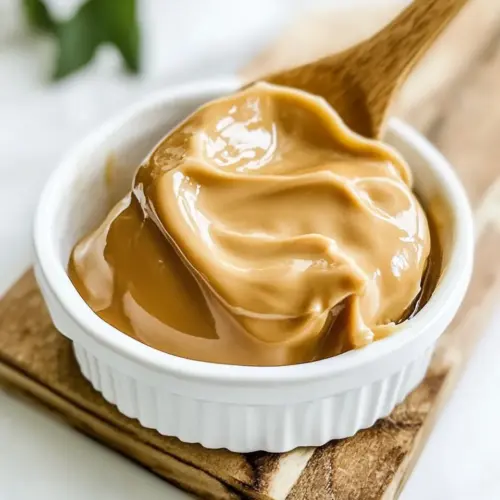
Condensed Milk Caramel
Condensed Milk Caramel is a creamy, sticky treat made from a single can of sweetened condensed milk. This easy method yields rich, golden caramel that is perfect for drizzling, dipping, or gifting, offering comforting toffee notes and a smooth texture. Try it as a quick dessert boost or a homemade gift, it is a simple way to make something truly indulgent.
Equipment
- 6 Qt. Crock-Pot
- Instant Pot
- Wire Rack
- Tongs
- Bowl
Ingredients
- 1 can sweetened condensed milk unopened Provides a rich, sweet base that caramelizes when cooked and yields a smooth, creamy dulce de leche texture; use the unopened can whole to ensure even cooking and avoid crystallization. Acts as both the sugar and dairy component, delivering deep, toasted flavors and glossy sheen as heat concentrates and Maillard reactions occur. Easily transforms into a spreadable caramel for fillings, sauces, or toppings with simple stovetop or oven-baking methods.
Instructions
- Remove the label from your can of sweetened condensed milk.: The label can trap moisture and make it hard to see the can surface as it cooks, plus adhesive can bubble when heated. At this stage you may smell a faint paper or adhesive note from the label, which is why removing it matters. Ensure the can is dry before proceeding. A common mistake is leaving part of the label attached, which can trap air and weaken the can under heat.
- Place it in your slow cooker.: When the can sits in the cooker, you will notice it nestles into the base, and the metal starts to warm gradually. The gentle, enveloping heat helps the sugars cook evenly without violent boiling, producing a mellow, rounded caramel flavor over time. Avoid stacking multiple cans without adequate space, because uneven heating can cause inconsistent texture.
- Pour in enough warm water to cover and come 2 inches above the can.: The sound of water pouring and the subtle steam indicate the cooker is primed to provide an even bath. Ensuring at least 2 inches of water above the can keeps it submerged and prevents exposed metal from overheating, which would risk scorching or pressure buildup. A frequent error is underfilling the cooker, which can expose the can and create hot spots.
- Cover the slow cooker and cook for 8 hours on low.: Over the long, slow cook you will sense a faint toasted milk aroma filling the kitchen, signaling that caramelization is underway. This slow approach yields deep, toffee like notes and a glossy, thick texture. Resist lifting the lid frequently because it lets heat escape and extends cooking time; consistent low heat is what crafts the best flavor.
- Remove the can from the slow cooker with tongs and place in a bowl of cold water for 10 minutes.: The contrast between hot metal and cold water makes a soft hissing sound and helps stop the cooking process quickly, preventing the contents from overcooking once removed. Cooling also makes the can safe to open and allows the caramel to settle into a creamy body. One mistake is opening the can while still very hot, which can cause splatter and steam burns.
- Open and enjoy!: As you lift the lid, there will be a rich, caramel aroma and a glossy surface when you scoop. Let the texture rest briefly if it seems runny, because it will thicken as it cools. A common oversight is tasting immediately when it is too hot, which masks the true texture and can burn your palate.
- Remove the label from your can of sweetened condensed milk.: For the Instant Pot route, start the same way by ensuring the can is clean and label free. The metal should be dry to avoid any adhesive residue causing hiccups in the pot. Skipping this small prep can introduce contamination or make the can harder to handle after cooking.
- Add 1 1/2 cups water to your instant pot fitted with the wire rack.: You will hear the water settle and perhaps a faint echo as the rack clicks into place. This measured water amount provides the steam the Instant Pot needs to build pressure safely while keeping the can supported above the bottom. Too little water prevents proper steam build and is a common error that could trigger safety mechanisms.
- Place the can onto the rack.: When the can sits on the rack, it should be stable and not wobble. The rack prevents direct contact with the pot base and ensures the can is cooked by surrounding steam for even heat distribution. If the can shifts, reposition it carefully because instability might cause it to tip during pressurization.
- Cover and cook on high pressure for 45 minutes. Let the instant pot naturally release pressure for 15 minutes then manually release any remaining pressure.: You will hear the pot hiss and then settle into a steady hum as pressure builds. The high pressure speeds caramelization reactions, and the natural release phase allows residual heat to finish the process gradually, preventing boil over or violent agitation. Opening too soon is a frequent mistake because the can may still be under pressure and cause hot splatters.
- Remove the can from the slow cooker with tongs and place in a bowl of cold water for 10 minutes.: After pressure cooking, transfer the can carefully using tongs and plunge it into cold water; this stops further cooking and reduces internal steam safely. You will notice a quick clattering sound and steam retreat as the can cools. Avoid opening the can immediately because the contents hold heat and can erupt or burn.
- Open and enjoy!: Once cooled, you will find a luscious, deep colored caramel with a velvety mouthfeel. Let it sit so the flavors integrate, and then spoon onto desserts or into jars for gifting. A common misstep is not letting it cool long enough, which can leave the texture too loose for spreading.
Notes
- Check the can integrity before cooking and discard any can with dents or swelling to avoid safety risks.
- Keep water above the can throughout the slow cooker method so the entire can stays submerged and heats evenly.
- Use tongs and protective gloves when removing the can to protect your hands from hot metal and steam.
- Adjust cooling time if you want pourable caramel, cool briefly; for spreadable texture, chill longer.
- Label jars with date when gifting or storing, and keep refrigerated for up to three weeks for best quality.