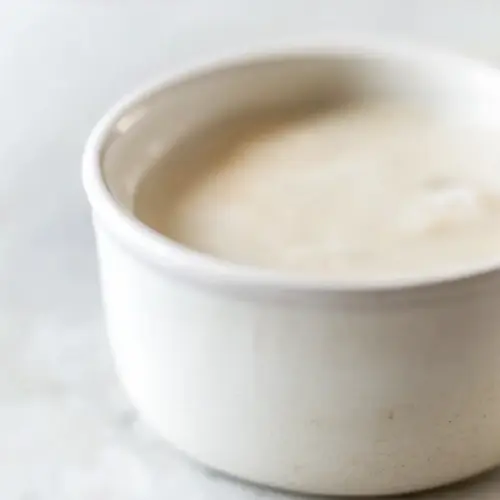
Condensed Cream of Chicken Soup
Condensed Cream of Chicken Soup is a creamy, savory concentrate that transforms simple ingredients into a silky, flavorful base. This easy, quick recipe produces a rich texture perfect for casseroles, sauces, or stretching into a full bowl of soup, making it an ideal easy weeknight dinner helper. Make it to taste, control seasoning, and enjoy a comforting, homemade alternative to canned condensed soup.
Equipment
- Saucepan
- Whisk
Ingredients
- 3/4 cup chicken broth Provide savory liquid and foundational chicken flavor, helping thin the soup and carry seasonings; simmer gently to concentrate taste without becoming greasy. Adds umami and salt balance, supporting the overall broth-like character of the condensed soup.
- 1/4 teaspoon onion powder Add concentrated mild onion flavor and aromatics without adding texture; sprinkle into the broth during cooking to build background savory notes. Enhances depth so other flavors meld together smoothly.
- 1/8 teaspoon garlic powder Contribute subtle garlic aroma and warmth in a powdered form that dissolves easily; incorporate early to ensure even distribution throughout the soup base. Helps round out savory flavors without overpowering delicate chicken notes.
- 1/8 teaspoon poultry seasoning Impart a blend of herbs and spices typical for poultry, giving a rounded savory-herb quality; use sparingly so the mix complements rather than dominates. Provides traditional flavor complexity associated with chicken dishes.
- 1 pinch dried parsley Deliver light herbal freshness and visual flecks that brighten the soup; add a pinch to finish or during simmering to lift the overall flavor profile. Offers a subtle green, slightly grassy note to balance richer components.
- 1 pinch paprika Introduce mild color and a hint of sweet-earthy flavor with subtle smokiness when desired; dust in small amounts to avoid masking other spices. Enhances appearance and adds a touch of warm spice character.
- Salt and freshly ground black pepper Season to taste and provide essential salt balance along with a touch of heat from black pepper; adjust gradually while tasting to avoid over-salting. Helps highlight and sharpen all other flavors in the condensed soup.
- 1/2 cup milk Add creamy liquid body and gentle dairy richness that softens the texture of the finished soup; whisk with flour to create a smooth, cohesive base. Contributes lactose sweetness and helps simulate the traditional condensed creaminess.
- 1/4 cup all-purpose flour Act as the thickening agent when combined with milk to form a smooth roux-like slurry; whisk thoroughly to prevent lumps and cook briefly to remove raw flour taste. Builds the condensed soup’s characteristic viscosity and helps suspend flavors.
Instructions
- In a 1 1/2-quart saucepan combine broth, onion powder, garlic powder, poultry seasoning, parsley, paprika, 1/2 teaspoon salt, and 1/8 teaspoon pepper. Bring to a simmer.: The moment the dry spices meet the warm chicken broth the aroma lifts, with a faint herbaceous perfume and a savory backbone. You should notice tiny billows of steam and a sheen on the liquid surface, indicating the broth is warm enough to bloom the powdered spices. This step matters because it allows the spices to hydrate and release flavor evenly, preventing sharp pockets of seasoning later. Watch for the broth getting too hot too fast, which can concentrate saltiness, and avoid adding cold liquids now. If your spices settle at the bottom, whisk gently to incorporate them so the flavor distributes uniformly.
- Meanwhile, whisk together milk and flour until smooth. Pour into saucepan, whisking continuously, until the mixture bubbles and thickens, about 1 minute.: As the broth warms, look for small bubbles forming around the edges and a steady, gentle motion in the liquid rather than a rolling boil. The simmer teases out the savory notes and helps meld the spices into the stock, producing a fuller, rounder flavor. Listen for a soft whispering bubble and inhale the savory steam; that indicates reduction without overcooking. A common mistake is boiling vigorously, which can evaporate too much liquid and make the final concentrate overly salty. Keep the heat moderate and adjust the flame to maintain that quiet simmer.
- Meanwhile, whisk together milk and flour until smooth: When you combine milk and flour , you want a silky, lump free slurry. The texture should be glossy with no visible clumps, and the liquid will look slightly thicker. This matters because it prevents gritty flour pockets in the finished soup and ensures even thickening when added to heat. Use a whisk or fork and briskly mix in a circular motion, scraping the edges to incorporate all the flour. A frequent error is adding flour straight into hot liquid, which causes lumps, so temper the mixture by whisking thoroughly before contact with heat.
- Pour into saucepan, whisking continuously, until the mixture bubbles and thickens, about 1 minute: As the milk and flour hit the warm broth, you will hear a quickening of sound as the mixture starts to thicken, and the surface will develop a smooth sheen and gentle bubbling. The whisking action creates an emulsion that yields a creamy mouthfeel and prevents the starch from clumping. This step is pivotal because the hot liquid activates the starch in the flour, producing the concentrated viscosity we want. If you stop whisking, the flour can settle and form gritty lumps, so maintain a steady, even rhythm. Watch for the mixture to cling to the back of the spoon; that visual cue means the thickness is right. If it thickens too quickly and becomes pasty, remove the pan from heat briefly and whisk in a splash of broth to loosen it.
Notes
- Use rich broth: If you want deeper flavor, choose a homemade chicken broth or a robust low sodium store brand, because the broth is the core flavor driver in this condensed recipe.
- Adjust salt late: Add the majority of your salt after the mixture thickens, tasting as you go, to avoid over salting the concentrated result.
- Texture control: If the condensed soup is thicker than you like, whisk in warm water or broth a tablespoon at a time until you reach the desired consistency.
- Storage: Portion into freezer safe containers and cool fully before freezing, leaving an inch of headspace for expansion to prevent spills.
- Scaling the recipe: Double or halve the ingredients precisely, and whisk thoroughly after adding the milk mixture to maintain the same creamy texture.
- Reheating: Gently warm on low heat while whisking, adding a splash of broth if the mixture separates or thickens too much.