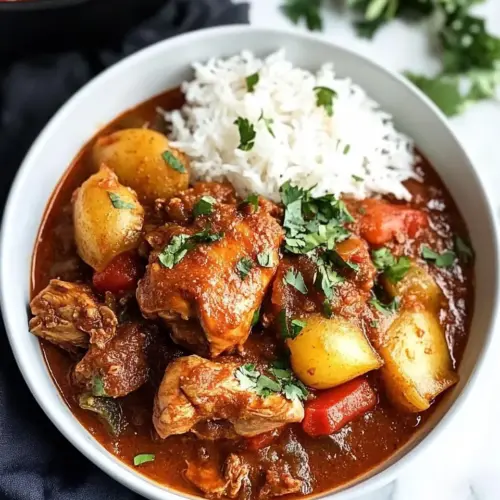
Colombian Chicken Stew
Colombian Chicken Stew is a comforting, savory bowl of seared chicken, tender potatoes, and silky yucca in a fragrant broth. This creamy yet light stew makes for an easy weeknight dinner with bold aromatic notes and textured tubers, perfect for sharing with family. Try it when you want a hearty, homey meal that tastes like it simmered all day, and you will have a reason to make it again.
Equipment
- Large rondeau or saucepan
- Paper towels
Ingredients
- 1 3 1/2 to 4 pounds whole roasting chicken broken down into breasts, thighs, and drums Broken down into breasts, thighs, and drums to provide a mix of dark and white meat that delivers both rich flavor and tender texture when simmered in the stew; bones add depth to the broth as it cooks slowly.
- 6 tablespoons avocado oil Used to coat the pot and brown the chicken, contributing a neutral high smoke-point fat that helps develop a golden sear and carries aromatic flavors throughout the stew.
- 3 1/2 tablespoons homemade sazón Added to season the dish with a blend of spices that imparts warm, savory, and slightly earthy notes typical of Latin American cuisine, creating a foundational flavor profile for the stew.
- 1 small diced large yellow onion, about 1 1/2 cups Diced to release sweet and savory aromatics as it softens, forming part of the aromatic base that balances acidity from tomatoes and richness from the stock.
- 3 thinly sliced green onions Sliced to add a mild oniony freshness and subtle crunch when stirred in near the end or used as a garnish, brightening the overall flavor with a green, slightly pungent note.
- 1 small diced red bell pepper Diced to contribute a crisp, slightly sweet pepper flavor and a pop of color, enhancing the stew’s vegetable complexity and complementing the tomatoes and onions.
- 4 finely minced garlic cloves Minced to infuse intense savory and pungent notes throughout the cooking liquid, supporting deeper umami and aromatic layers in the finished stew.
- 2 tablespoons of tomato paste Stirred in to strengthen tomato flavor and add concentrated umami and slight sweetness, helping to thicken and enrich the stew’s sauce.
- 5 small diced Roma tomatoes, about 1 1/2 cups Diced to provide fresh acidity, juiciness, and bright tomato flavor that lightens and balances the richness of the chicken and stock while contributing texture.
- 4 cups chicken stock Poured to create a flavorful cooking medium that simmers with the chicken and vegetables, delivering salt-adjustable savory depth and body to the stew.
- 4 sprigs fresh thyme Added whole to infuse subtle herbal, lemony, and slightly floral notes as the stew simmers, enhancing aromatic complexity without overpowering other flavors.
- 1 bay leaf Dropped in to impart an earthy, slightly floral bitterness and layer of aromatic warmth over a long simmer, then removed before serving.
- 2 pounds thickly sliced peeled Yukon potatoes Sliced thickly to hold shape during simmering while absorbing flavors from the broth, offering a hearty, starchy component that makes the stew substantial and comforting.
- 1 medium-sized peeled yucca cut into thickly sliced Cut into thick slices to provide a dense, slightly sweet starchy root that holds together in the stew, adding rustic texture and fiber to each bite.
- coarse salt and freshly cracked pepper to taste Used to season during cooking and at the table to heighten and balance flavors, providing essential taste contrast that brings the dish together.
- finely minced fresh cilantro for garnish Finely minced and sprinkled as a garnish to add a fresh, citrusy, herbaceous finish that brightens each serving and adds visual appeal.
Instructions
- Pat the chicken dry on all sides with paper towels and transfer it to a large bowl.: The surface moisture on the chicken will steam if not removed, preventing proper browning. You should feel the skin become tacky as you dry it, and visually it will look matte rather than wet. Drying is crucial to get that desirable crackling sound when the meat hits hot oil, and if you skip it the skin will not crisp and the pan will stay cooler. A common mistake is rinsing and leaving the pieces damp, which leads to uneven color and a soggy texture.
- Add 3 tablespoons of oil, 2 1/2 tablespoons of the spice blend, and mix until combined. Cover and place it in the refrigerator for 30 minutes and up to 48 hours.: As the chicken soaks with avocado oil and sazón, you will notice the spices cling to the meat, forming a seasoned layer that enhances browning and infuses flavor into the fat. The oil helps distribute the seasoning evenly so every bite has consistent flavor. Letting it rest in the fridge for 30 minutes to up to 48 hours deepens the profile, but beware of over-salting if your sazón already contains a lot of salt. Not marinating at all will give a milder taste, so plan accordingly.
- Add 3 tablespoons of oil into a large rondeau or saucepan and heat over medium heat for 2 minutes. Place the chicken skin side down into the pan and cook for 4 to 5 minutes per side or until it’s browned, and the skin is crispy.: Heating the pan properly creates the hot surface needed for an immediate sizzle when the chicken is added. The oil will shimmer and thin as it reaches temperature, releasing a subtle aroma. If the oil smokes, reduce heat to avoid burnt flavors. Too low heat yields pale, steamed skin, while too high causes burned seasoning, so aim for an even, steady sizzle.
- Set the chicken to the side on a plate and add the yellow and green onions to the pan and cook for 5 minutes while frequently stirring.: You will hear an assertive sizzle and the color should progress to a deep golden brown, signaling the Maillard reaction is working. Crispy skin adds texture and savory notes that enrich the stew, and juices released while searing form flavorful bits in the pan. Resist moving the pieces too often or you will tear the skin and lose those caramelized bits. A frequent misstep is overcrowding the pan which leads to steaming rather than searing.
- Once they get lightly browned, turn the heat down to low and cook for 10 minutes while occasionally stirring.: As the onions hit the hot pan, they will sizzle and begin to soften, releasing sweet, savory aromas. Stirring breaks them down evenly and helps lift browned bits from the pan into the aromatics. The sound will shift from loud sizzle to a gentler hiss as moisture evaporates. If you skip stirring, parts may brown too quickly and create uneven bitterness.
- Next, stir in the peppers and sauté for 3 to 4 minutes over medium heat.: Lowering the heat encourages the onions to slowly caramelize, developing a mellow sweetness that deepens the stew. Visually, they will become translucent and take on a pale gold hue, and the pan should look glossy from rendered flavors. Cooking on too high heat at this stage risks scorching, so patience is key. A common error is rushing this step, which leaves raw onion bite in the finished broth.
- Add in the garlic and cook just until it’s fragrant, which takes about 30 to 45 seconds. Stir in the tomato paste and cook for 2 minutes to pince.: The red bell pepper will soften and release a fruity aroma, contributing color and a slight sweetness. You should see the pepper pieces limp but still hold shape, and the pan will smell brighter. Keep the heat moderate so they soften without becoming mushy. Overcooking here dulls their natural flavor.
- Mix in the tomatoes and 1 tablespoon of the spice blend and cook for 5 to 6 minutes or until the tomatoes break down.: The garlic aroma will bloom rapidly, releasing savory, sharp notes that lift the base. Because minced garlic cooks quickly, watch for a momentary clouding of scent and then remove from high heat; burning makes garlic bitter. Stir constantly and be ready to move to the next ingredient to avoid charring.
- Pour in the chicken stock, season with salt, pepper, thyme sprigs, bay leaf, and lime juice.: When you fry the tomato paste , it deepens and turns a darker red brown as sugars caramelize, adding umami and a richer color to the stew. You will notice the paste loosen and coat the pan, and its aroma becomes more toasted. Stir to prevent sticking, and avoid high heat that will smoke and impart burnt flavors. Skipping this step leaves the paste tasting raw and acidic.
- Place the potatoes and yucca into the pan.: As the tomatoes soften, they will release juices that meld with the tomato paste, creating a saucy base that balances acidity and sweetness. The mixture should become pulpy and fragrant, and you can press pieces to help them break down. If you do not allow them to reduce, the broth may taste too thin and acidic in the finished stew.
- Put the seared chicken on top of the potatoes and yucca, cover, and cook over low to medium heat for 25 to 30 minutes, or until the chicken is cooked through and the root vegetables are tender.: Adding the chicken stock transforms the sautéed base into a braising liquid, and the herbs infuse the broth gently. You will hear a soft bubbling as the liquid heats, and aromas will open up into a more rounded bouquet. Taste for balance after a few minutes and adjust salt carefully. Over-salting at this phase concentrates as the stew reduces, so err on the side of caution.
- Serve the Colombian chicken stew with cooked rice and optional garnish of cilantro.: Dropping the starchy potatoes and hearty yucca into the simmering liquid adds bulk and texture that will absorb flavors as they cook. You should see the liquid rise slightly and surround the pieces, and it will gently bubble around them. Ensure the pieces are submerged to cook evenly. A common mistake is adding too small pieces which will disintegrate, so keep them thickly sliced.
- Put the seared chicken on top of the potatoes and yucca, cover, and cook over low to medium heat for 25 to 30 minutes, or until the chicken is cooked through and the root vegetables are tender: With the pot covered, the heat will circulate, and the stew will develop deeper flavors as the chicken finishes cooking and the tubers soften. Listen for a steady gentle simmer and watch for the broth to thicken slightly. Check doneness by piercing a potato and the thickest part of a thigh; juices should run clear. Avoid overcooking which can make the meat dry and the vegetables mushy.
- Serve the Colombian chicken stew with cooked rice and optional garnish of cilantro: The final bowl should steam warmly, the broth glossy, and the cilantro bright on top. Serving over rice helps carry the flavorful broth and gives each bite a pleasing texture contrast. Garnish just before serving for a fresh herbal lift. Leaving cilantro in the pot too long will dull its color and flavor.
Notes
- Dry the chicken well to ensure excellent browning and a crisp finish when searing, which builds flavor for the stew.
- Marinate if you can for at least 30 minutes, or up to 48 hours, to let the sazón penetrate and deepen the taste of the chicken.
- Use good stock because a quality chicken stock adds depth to the broth and reduces the need for extra seasoning later.
- Cook aromatics low and slow to develop sweetness and remove raw onion bite, patience here pays off in the final balance.
- Fry the tomato paste until it darkens to unlock umami and richer color in the stew, which intensifies the overall flavor.
- Check tuber doneness with a knife rather than time alone, as sizes vary and you want tender but not falling apart pieces.