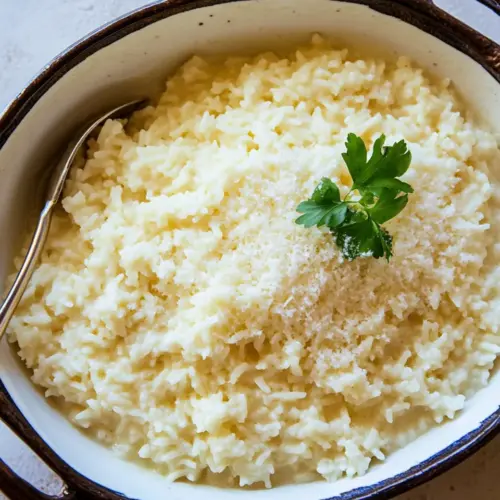
Coconut Milk Rice
Coconut Milk Rice is a creamy, comforting rice pudding like dish made with arborio rice, rich coconut milk, and warm spices. Its velvety texture and fragrant vanilla and cinnamon notes make it an easy weeknight dessert or cozy breakfast. Serve lukewarm or chilled for a nostalgic treat that is simple to make and impossible not to love.
Equipment
- Large saucepan
- Wooden Spoon
- Large Bowl
Ingredients
- 1 1/2 cups water Bring to a simmer and measure precisely to provide the initial cooking liquid for the rice; water softens the grains, helping them absorb flavors and achieve tender texture while preventing scorching during the early stage of cooking. Adjust heat and volume as needed to maintain a gentle simmer so the rice hydrates evenly.
- 1 cup arborio rice Rinse briefly and add as the primary starch component that becomes creamy when cooked; arborio rice releases starches that create the characteristic velvety consistency of coconut milk rice. Stir gently during cooking to encourage starch release without breaking the grains.
- 1 cinnamon stick Infuse gently and contribute warm, aromatic notes throughout the cooking liquid; a cinnamon stick slowly releases subtle spice that complements coconut and vanilla. Remove before serving to avoid overpowering the delicate sweetness.
- 13.5 ounces unsweetened full-fat coconut milk Combine smoothly and supply rich coconut flavor and fat that create a silky mouthfeel; full-fat coconut milk also enhances creaminess and adds subtle sweetness to the dish. Shake or stir the can before measuring to reincorporate solids and liquids for consistent texture.
- 1 cup whole milk Balance richness and temper the coconut intensity by adding dairy creaminess; whole milk dilutes the coconut milk slightly while contributing lactose for mild sweetness. Heat gradually with the coconut milk to avoid curdling and maintain a stable emulsion.
- 1/4 cups sugar Sweeten gradually and control sweetness level to taste; sugar dissolves into the cooking liquids, helping to caramelize slightly and deepen flavor during simmering. Add incrementally and taste as the rice thickens to prevent over-sweetening.
- 1 vanilla bean, split and seeds removed Split carefully and steep the seeds and pod to impart complex, floral vanilla aroma; scraping seeds from the bean yields concentrated flavor while the pod can be simmered then removed. Use both seeds and pod for maximum depth, discarding the pod before serving.
- 1 teaspoon almond extract Enhance subtly and provide a complementary almond aroma that lifts the overall flavor profile; almond extract should be used sparingly because it is potent and can overwhelm delicate notes. Add near the end of cooking for a fresh, pronounced finish.
- 1 teaspoon unsalted butter Enrich slightly and add a small amount of fat to round flavors and contribute a glossy finish; unsalted butter melts into the warm rice, enhancing mouthfeel without adding extra salt. Stir in at the end to allow the butter to incorporate smoothly.
- pinch of salt Season lightly and accentuate the natural flavors by balancing sweetness and richness; a pinch of salt amplifies aroma and prevents the dish from tasting flat. Distribute evenly for subtle enhancement without making the dish savory.
- 2 egg yolks, slightly beaten Temper gently and thicken the rice while adding silkiness and richness; slightly beaten egg yolks create a custard-like finish when tempered with hot liquid and stirred in off the heat. Incorporate slowly to avoid scrambling and to achieve a smooth, creamy texture.
Instructions
- Bring the water, milk, rice, and cinnamon stick to a boil in a large saucepan over medium heat. Bring to a boil, uncovered, stirring occasionally until the water is almost absorbed, 10 minutes.: The moment the pot starts to heat you will notice a faint steam and the aroma of the cinnamon stick will begin to unfurl, which signals the infusion has begun. Aim for a steady medium heat so the mixture warms evenly, preventing the bottom from scorching. Stir gently to distribute heat and keep the arborio rice from settling; you want even contact with the liquid. A frequent mistake here is turning the heat too high to hurry the process, which can cause uneven cooking and patchy texture. Listen for a gentle rising of bubbles that spread across the surface, and watch the rice plump as it absorbs liquid.
- Stir in coconut milk, sugar, vanilla bean seeds and bean, almond extract, butter, and salt. Bring to a boil over medium heat.: As the mixture reaches a boil the surface will become active with rolling bubbles, and you will see the liquid reduce and the grains swell. Stir occasionally so the rice releases starch uniformly and to prevent sticking. The goal is to evaporate most of the initial water so the rice begins to thicken, and you will notice the surface transition from reflective to slightly matte where most water has gone. Rushing this step by increasing heat risks the exterior of the grains becoming mushy while the center remains undercooked. Keep the pot uncovered to allow steady evaporation and check the grains for a tender yet slightly firm core.
- Reduce heat to medium-low and cook rice uncovered, stirring often until the mixture has thickened to almost a pudding-like consistency, 20 minutes. Remove from heat add the egg yolk. Mix well and transfer to a large bowl.: When you add the coconut milk and flavorings the mixture cools a touch and the aroma deepens as the vanilla bean and almond extract bloom. The sound changes to a softer simmer and the texture becomes silkier as fat reincorporates. Stir thoroughly to dissolve the sugar and distribute the seeds for even flavor. This step is critical for balanced taste, so be sure the butter melts fully and the salt is integrated. A common misstep is inadequate stirring after adding the rich liquids, which can leave pockets of separated fat or clumps of undissolved sugar.
- Remove the cinnamon stick and vanilla bean. Keep the vanilla bean for another use. Discard the cinnamon stick. Serve lukewarm or cold.: After the additions bring the pot back up to a gentle boil, noticing a sweet, fragrant steam that carries the blended scents of vanilla bean and cinnamon stick . This brief return to boiling reactivates thickening as the starches continue to swell. Keep the heat controlled so the boil is steady but not furious, because intense bubbling can break the rice grains or cause the milk to scorch at the bottom. Watch for consistent simmering and a glossy surface forming as the mixture begins its final reduction.
- Reduce heat to medium low and cook rice uncovered, stirring often until the mixture has thickened to almost a pudding like consistency, 20 minutes: Lowering the heat invites a gentle, even cooking that coax the starch out of the arborio rice . You will hear a low, rhythmic simmer and smell the sweet, toasty notes as the surface slowly thickens. Stirring often is essential to achieve an even, creamy texture; use a wooden spoon to scrape the bottom and blend any caramelized bits. Visual cues include a coat that clings to the spoon and a plump grain that still holds shape. Over stirring can make the rice gluey, while under stirring risks uneven thickening, so find a steady pace and trust your senses.
- Remove from heat add the egg yolk: Once thickened to a pudding like stage, the pot will look glossy and move slowly when you tilt it. Remove it from the heat to prevent overcooking and temper the egg yolks by whisking a spoonful of the hot mixture into them before combining, this avoids scrambling. The tempered yolks enrich the body and give a silky sheen without curdling. A typical error is adding the yolks directly into piping hot rice, which causes small cooked flecks; tempering prevents this. Stir gently until the yolks are fully integrated and the texture deepens to a smooth finish.
- Mix well and transfer to a large bowl: As you blend the mixture after adding the yolks you will notice an even creaminess and a gentle thickening as it cools slightly. Transferring to a large bowl helps the rice cool uniformly, and the residual heat continues to mellow the flavors. Scrape every bit from the pot to preserve texture and avoid waste. A mistake to avoid is leaving the rice in a hot pan where residual heat can overcook it, so move it promptly and spread it if you plan to chill quickly.
- Remove the cinnamon stick and vanilla bean: Pulling out the cinnamon stick and vanilla bean pod is a small but important step to ensure no woody bits or fibrous strands end up in the final dish. The aroma at this stage is full and rounded, and removing the solids leaves behind a clean, infused flavor. Keep the vanilla pod for another use if you like, but discard the cinnamon stick. Forgetting to remove them can lead to unpleasant texture surprises for your guests.
- Keep the vanilla bean for another use: The used vanilla bean still holds flavor in its pod, and you can dry it to make vanilla sugar or steep it in cream later. I often lay mine on a plate to dry for future infusions. This step extends the value of a single bean and reduces waste. Not preserving it means missing a simple way to boost another recipe later.
- Discard the cinnamon stick: Once the cinnamon stick has given its warmth and spice it should be discarded because further steeping can introduce bitterness. I find tossing it at this point keeps the flavor profile pure and rounded. Leaving it in too long is a common cause of an overly astringent note, so remove it promptly.
- Serve lukewarm or cold: Serving temperature changes the experience dramatically, and you can choose based on mood. Lukewarm Coconut Milk Rice feels comforting and cozy, while chilled it becomes refreshingly dense and dessert like. If serving cold, spread the rice in a shallow dish to cool faster and cover it to prevent a skin from forming. A typical error is storing it while very hot, which can trap steam and lead to condensation and sogginess upon chilling, so let it cool slightly before refrigerating.
Notes
- Reduce sugar to taste, if you prefer less sweetness start with half the listed amount and add more after tasting when the rice has thickened because the perceived sweetness concentrates as the mixture reduces.
- Swap milks carefully, if you must use a lower fat milk expect a less luxurious mouthfeel, compensate by reducing liquid slightly and stirring more often to coax creaminess from the arborio rice.
- Chill fast for a firmer texture, spread the rice in a shallow pan and refrigerate uncovered until cool, then cover to prevent drying, this gives a more set, spoonable consistency for dessert style servings.
- Use the vanilla pod again, rinse and dry the used vanilla bean and bury it in a jar of sugar to make vanilla sugar for future baking or sprinkling.
- Tempering technique, always whisk a small ladle of hot rice into the beaten egg yolks before adding to the pot to ensure a silky finish without curdling.