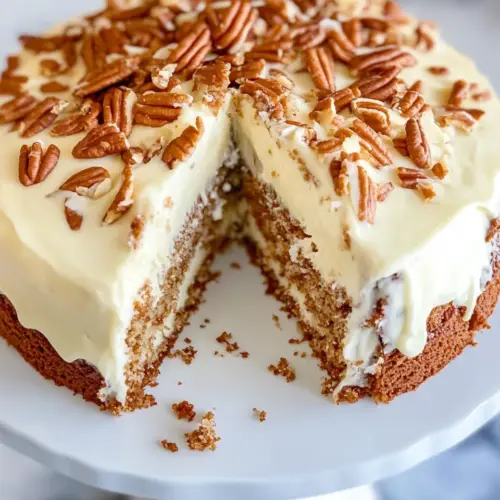
Coconut Hummingbird Cake
Coconut Hummingbird Cake is a moist, fruit forward cake layered with mashed bananas, crushed pineapple, and shredded coconut, finished with tangy cream cheese frosting. The texture is tender and rich from oil and brown sugar, while toasted pecans add crunch. Perfect for celebrations or casual gatherings, this easy crowd pleaser brings tropical flavor and comforting spice to the table, so try it for your next get together.
Equipment
- Stand mixer or handheld mixer
- 14 cup Bundt pan or alternative pans
- Wire Rack
- Mixing Bowls
- Offset Spatula
Ingredients
- 4 medium ripe bananas, about 2 cups mashed bananas Mashed to contribute natural sweetness and moisture while adding a tender crumb and banana flavor throughout the cake; measure about 2 cups to maintain proper batter consistency and ensure even distribution.
- one 8-ounce can crushed pineapple, with juice Drained or added with its juice to provide bright, tropical moisture and gentle acidity that balances sweetness while contributing small pineapple pieces for texture and flavor contrast.
- 1 cup sweetened shredded coconut, loosely packed to measure Loosely packed to add chewy texture and concentrated coconut flavor while delivering visual appeal and a nutty-sweet component that complements the tropical profile of the cake.
- 3 large eggs Beaten to bind ingredients, incorporate air, and add structure; large eggs also enrich the batter with protein and moisture for a stable, tender crumb.
- 3/4 cup vegetable or canola oil Poured to provide fat that keeps the cake moist and tender while helping to dissolve sugars and carry flavor evenly throughout the batter.
- 1 1/2 cups granulated sugar Measured to supply bulk sweetness and aid browning while contributing to the cake's overall structure and caramelized flavor during baking.
- 1/2 cup light brown sugar Added to deepen sweetness and introduce a subtle molasses note that enhances the cake's richness and moistness when combined with granulated sugar.
- 2 teaspoons vanilla extract Stirred in to contribute floral, sweet aromatic notes that enhance the overall flavor profile and complement the banana and pineapple components.
- 2 teaspoons cinnamon Sprinkled as a warm, sweet-spicy spice to provide depth and aromatic warmth that pairs well with bananas and brown sugar in the cake.
- 1/4 teaspoon ground cloves Used sparingly to introduce a warm, slightly bitter, aromatic depth that complements cinnamon and balances the cake's sweet elements.
- 3 cups all-purpose flour Sifted or measured to form the cake's structure by providing starch and gluten; using all-purpose flour yields a tender yet stable crumb.
- 1 teaspoon baking soda Mixed in to react with acidic ingredients, producing carbon dioxide that leavens the cake and helps create a light, airy texture.
- 1/2 teaspoon salt, or to taste Added to adjust flavor balance and enhance other flavors while controlling yeast or leavening reactions for proper rise and texture.
- 8 ounces cream cheese, softened Softened to create a smooth, tangy frosting base that contributes richness and a subtle tartness to balance the cake's sweetness.
- 1/2 cup unsalted butter, softened Beaten to create a creamy, rich base for frosting that adds body and buttery flavor when combined with cream cheese and sugar.
- 2 to 2 1/2 cups confectioners’ sugar, sifted Sifted and added gradually to thicken and sweeten the frosting, creating a smooth, spreadable consistency that stabilizes the cream cheese mixture.
- 1 teaspoon vanilla extract Measured to enhance and echo the aromatic sweetness in the frosting, adding a mild, familiar vanilla note that ties flavors together.
- 1/4 teaspoon salt, or to taste Sprinkled to control and brighten the frosting's flavor balance while preventing it from tasting overtly sweet; adjust to personal preference.
- 1/4 to 1/3 cup toasted chopped pecans, optional for garnishing Chopped and toasted optionally to provide crunchy texture, a toasty nutty flavor, and attractive garnish that contrasts with the creamy frosting.
Instructions
- Make the Cake: The air will begin to smell fruity and sweet as the wet ingredients come together, lending a tangible sense of progress. You should notice the mixture thinning and becoming glossy, which indicates the oil is fully emulsified. One common mistake is rushing to add dry ingredients before the wet is homogeneous, which can create streaks of flour and an uneven crumb. If your batter seems too stiff, check that the bananas are well mashed and the pineapple juice has been incorporated, and resist overmixing once flour is added.
- Preheat oven to 350 F and spray a 14-cup Bundt pan very well with floured cooking spray; or grease and flour the pan. See Note 1 below about pan options and considerations. Unless you have a huge 14-cup Bundt pan, you will likely need to bake some of the additional batter in a loaf pan or make three 9-inch round cakes. Read the Note in detail.: When the oven reaches 350 F you will feel a warm wave of readiness in the kitchen, and the preheated environment helps the batter set quickly at the edges, promoting rise. Properly preparing the pan prevents sticking and ensures clean release, especially with a heavy, moist batter. A frequent error is under-greasing, which can ruin a Bundt's decorative shape, so take the extra moment to coat crevices thoroughly.
- To a very large bowl or to the bowl of a stand mixer fitted with the paddle attachment, add the bananas and beat them with a handheld electric mixer or with the paddle attachment until they’re mashed.: As you mash the bananas , listen for a soft whir and watch the color deepen as sugars release, creating a fragrant, fruity base. The texture should be mostly smooth with tiny flecks of banana, which adds character without creating lumps. Avoid under-mashing, because large chunks can make pockets of dense fruit in the batter, and do not puree into a slurry, since a little texture is desirable.
- Add the pineapple with juice, coconut, eggs, oil, sugars, vanilla, cinnamon, cloves, and beat on medium-high speed to incorporate.: At this stage the bowl fills with tropical aroma and warm spice, and the mixture will look glossy and slightly loose from the pineapple juice and oil . Mixing on medium high integrates the ingredients evenly, but do not overbeat, which can incorporate too much air and change the cake texture. A common pitfall is adding dry ingredients while this mixture still has lumps; ensure everything is smooth so the flour blends in evenly.
- Add the flour, baking soda, salt, and beat until just combined. Turn batter out in prepared pan(s), don’t fill any pan more than 2/3 to 3/4-full, and bake until done.: When you add the flour and leaveners, the batter will immediately thicken and take on a denser sheen. Stop mixing as soon as the streaks of flour disappear to avoid developing gluten which would toughen the cake. One troubleshooting tip is to fold the last bits by hand if the mixer leaves any flour pockets, and be mindful that overmixing here yields a tighter, less tender crumb.
- Baking Time Approximations: About 1 hour for a 14-cup Bundt, about 46 to 50 minutes for a 12-cup Bundt + one 8×4-inch loaf (this was what I did and baked both for 49 minutes), about 25 to 30 minutes for three 9-inch round cakes, and about 60-70 minutes for two 9×5-inch loaf pans. Baking times will obviously vary based on your pan setup.: Pouring the batter will release a spiced, fruity scent, and you should see it settle into the pan with a slight dome forming during bake. Respecting the fill limit prevents overflow and uneven baking, which is especially important for Bundts. A common mistake is overfilling a pan and ending up with underbaked centers; if you are unsure of pan capacity, divide the batter among pans to be safe.
- Allow cakes/loafs to cool in pans for about 20 minutes before turning out and allowing them to cool fully on a wire rack or cake stand. Don’t add the frosting until completely cooled.: As the cake bakes you will notice the top begin to brown and give off sweet caramel notes, with edges pulling slightly from the pan. Check doneness by inserting a skewer; it should come out with a few moist crumbs but not raw batter. One pitfall is relying solely on time rather than visual cues, since pan configuration affects baking times considerably. If the exterior browns too quickly, tent lightly with foil to allow the center to finish without overbrowning.
- Make the Cream Cheese Frosting: During this rest the crumb firms slightly and cooling in the pan prevents breaks; the cake will continue to set and steam escapes gently. Turning it out too early risks tearing, while waiting too long can make removal harder. My tip is to use a thin offset spatula to loosen edges if needed and let the cake finish cooling on a rack to avoid trapped steam making the bottom soggy.
- To a large bowl or to the bowl of a stand mixer fitted with the paddle attachment, add the cream cheese, butter, and beat together on high speed until smooth and creamy.: Frosting a warm cake will cause the cream cheese frosting to melt and slide, so confirm the cake is completely cool by touching the center and feeling no residual warmth. When cooled, the surface will be slightly taut and the aroma will be more subtle. A common error is impatience here, leading to a weeping frosting; if that happens refrigerate briefly to firm up the cake surface before spreading.
- Add 2 cups confectioners’ sugar, vanilla, salt, and beat to combine. Based on the desired consistency of the frosting, add additional confectioners’ sugar, if necessary.: As you beat cream cheese and butter together they will transform into a silky, pale mixture that smells faintly tangy and rich. Beat on high until completely smooth to avoid lumps, scraping the bowl to ensure everything is incorporated. Watch the texture closely, because overbeating can add too much air, making the frosting less stable; stop when it is smooth and spreadable.
- Add frosting to the top perimeter of the cake, or as desired. If you have additional frosting (likely), it will keep airtight in the fridge for many weeks for another baking project.: You will see a cloud like texture become glossy and even, and the aroma will be a tangy, buttery lift. Smoothness is key for a professional finish, and if your cream cheese is not room temperature you will get lumps, so always soften in advance. If lumps appear, lower speed and scrape, or allow the ingredients to warm slightly and rebeat gently.
- Optionally garnish with pecans before serving.: The frosting will thicken and taste sweeter as confectioners sugar is incorporated, and you should stop to taste for balance, adding more sugar only to reach the right spreadable consistency. If the frosting becomes too stiff, a teaspoon of milk or cream can loosen it slightly. The frequent mistake is adding too much sugar at once, which creates an overly sweet, gritty texture; add gradually and check frequently.
- Based on the desired consistency of the frosting, add additional confectioners’ sugar, if necessary: Adjusting the frosting is about feel and taste, and the ideal finish is creamy yet firm enough to hold shape against the cake. If you add more sugar, beat until smooth and check the mouthfeel, remembering that it will firm up a bit when chilled. Avoid thinning with too much liquid which can make the frosting runny on the cake.
- Add frosting to the top perimeter of the cake, or as desired: Spreading the frosting should feel like smoothing velvet across the top, and watch for even coverage and a clean edge if using a decorative technique. I often use an offset spatula for control, and if you have excess frosting it will keep airtight in the fridge for many weeks for another project. A common issue is overfrosting which overwhelms the cake; stop when the balance feels right.
- Optionally garnish with pecans before serving: Toasted pecans will crackle slightly when bitten and add a toasty note that contrasts the soft crumb and creamy frosting. Scatter them intentionally to create a border or casual sprinkle, and press gently so they adhere. One mistake is adding nuts that are not toasted, which deliver less flavor, so toast until fragrant and let cool before using.
Notes
- Swap toasted nuts Replace pecans with toasted walnuts for a similar crunch and slightly different flavor profile, toasting them in a skillet until aromatic before chopping and sprinkling atop the frosted cake.
- Adjust frosting sweetness Start with 2 cups of confectioners sugar and add more gradually to reach the sweetness and stiffness you prefer, tasting as you go to avoid an overly sweet frosting.
- Toast coconut Briefly toast the shredded coconut in a dry pan until golden for a deeper nutty aroma, then cool completely before folding into batter or using as a garnish.
- Split the batter If your Bundt is under 14 cups, divide the batter between a Bundt and a loaf pan or three 9 inch rounds to ensure even baking and avoid undercooked centers.
- Make ahead frosting Store extra cream cheese frosting airtight in the refrigerator for up to two weeks, bringing it back to room temperature and rewhipping gently before use.
- Control spice level Keep the listed cinnamon and cloves for warmth, but reduce cloves slightly if you prefer a subtler spice background that lets the fruit shine.