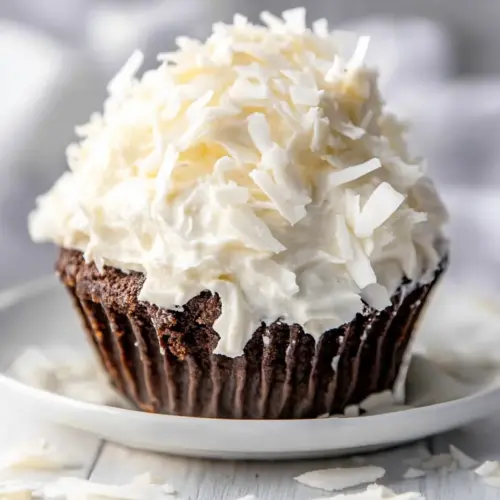
Coconut Frosting Recipe
Coconut Frosting Recipe is a creamy, airy topping made with rich butter, fine powdered sugar, and a bright hint of coconut extract, perfect for cupcakes, layer cakes, and brownies. This easy to make frosting is silky yet stable, delivering a light tropical note that pairs well with chocolate or citrus. Ideal for quick make ahead prep, it elevates simple desserts into memorable treats.
Equipment
- Hand Mixer
- Large Bowl
- Spatula
Ingredients
- 1 cup (225 g) unsalted butter, softened Creamy and softened to provide a smooth, spreadable base for the frosting; contributes rich flavor, structure, and moisture while helping to aerate when beaten with sugar.
- 4 cups (452 g) powdered sugar Finely powdered to dissolve easily into butter and create a silky texture; adds the primary sweetness and helps thicken the frosting for pipeable consistency.
- 1/2 teaspoons salt Slightly savory element used sparingly to balance sweetness and enhance overall flavor depth; prevents the frosting from tasting flat and rounds out the profile.
- 1 teaspoon coconut extract Concentrated and aromatic to impart distinct coconut flavor without adding extra liquid; boosts tropical notes and pairs well with the buttery base for a pronounced coconut character.
- 1/2 teaspoon vanilla extract Warm and floral in small measure to support and round out the flavor profile; enhances complexity by complementing both the coconut extract and butter richness.
- 2 -3 tablespoons heavy whipping cream (see note) Adjustable liquid component used to loosen or thicken the frosting to desired consistency; adds creaminess and sheen while allowing control over spreadability and piping ability.
- 1 recipe brownies (optional) Optional baked component used as a serving base or mix-in to create a textured dessert; provides a chocolatey contrast and transforms the frosting into a layered treat when included.
Instructions
- To make the frosting, beat butter in a large bowl with a hand mixer until smooth.: When you start, you will hear a gentle whipping sound as the beaters cut through the softened butter , and you should see it lighten slightly in color and become glossy, signaling that enough air has been incorporated. Use a medium low speed to avoid splatter, and scrape the bowl once to ensure uniformity. The smell will be rich and creamy, with the butter scent prominent but not greasy. This initial aeration sets the stage for a fluffy frosting, because a well whipped base traps air that makes the final texture light. A common mistake is using butter that is too cold, which will yield lumpiness; if that happens let it sit a bit longer at room temperature and re beat gently. If the butter seems too soft, chill briefly and resume at a lower speed. Keep the bowl tilted toward you to check texture as you whip.
- Slowly beat in powdered sugar until crumbly. Beat in salt and extracts. Add milk, 1 tablespoon at a time, until you reach your desired consistency.: As you add the powdered sugar in batches, the sound will shift to a faint, silky whisper and the mixture may momentarily look dry or crumbly before smoothing out, which is normal. Work at low speed to prevent sugar clouds and to let the sugar dissolve into the butter steadily, producing a smoother finish. The tiny sugar particles will begin to amalgamate with the fats, producing a thicker, more stable body. If you rush and add all the powdered sugar at once, you risk a grainy texture and airborne dust, so patience matters. One troubleshooting tip is to pause and scrape the sides often, ensuring no pockets of dry sugar remain, because undissolved sugar will give a gritty mouthfeel in the end product.
- Frost brownies or any recipe as desired. Store in refrigerator for up to 4 days or freeze frosting in an airtight container for up to 3 months.: After the base looks cohesive, you will add the salt , coconut extract , and vanilla extract , and immediately you will notice the aroma shift as the extracts bloom in the fats. Mix briefly at low speed so the fragrance distributes evenly; extracts are concentrated, so they can quickly dominate if overmixed or overmeasured. The salt will sharpen the sweetness, making flavors pop, so taste a small dab before proceeding. A common error is adding too much extract in one go; measure carefully and adjust gradually because it is difficult to remove excess once incorporated.
- Add milk, 1 tablespoon at a time, until you reach your desired consistency.: Introduce the heavy whipping cream slowly, watching how each spoonful transforms the frosting from stiff to silky, and listening for the subtle change in whipping sound as the beaters move through a softer mixture. This is where the frosting becomes adjustable for piping or spreading, so add one tablespoon, then pause, and test the texture on a spoon or the back of your hand. The cream also brings a slight dairy aroma that mellows the concentrated extracts. A typical pitfall is adding too much liquid too fast, which makes the frosting limp; correct this by adding a little more powdered sugar or chilling briefly before re whipping. If you prefer a firmer consistency for piping intricate designs, aim for the lower end of the liquid range.
- Frost brownies or any recipe as desired. Store in refrigerator for up to 4 days or freeze frosting in an airtight container for up to 3 months.: When you spread the frosting, you should feel it move smoothly, leaving slight peaks if you drag your spatula through it, and it will retain shape without collapsing, indicating proper stability. If frosting warm brownies , allow them to cool slightly to prevent melting. The refrigerator firming step is useful for adjusting texture before serving, and frozen frosting can be thawed in the refrigerator and re whipped briefly for freshness. One common oversight is skipping the chill for carved cakes, which can make finishing difficult; chill for stability when precision is needed. Also avoid leaving frosted desserts at room temperature for prolonged periods if using perishable dairy in warm environments.
Notes
- Soften your butter correctly before starting: letting your butter sit at room temperature for about 30 to 45 minutes ensures it is soft enough to whip without melting, producing a creamier texture and preventing lumps.
- Add powdered sugar gradually to avoid a gritty texture: mixing in the powdered sugar in batches lets it dissolve into the fats, giving a smooth finish and reducing the need for excessive whipping.
- Measure extracts precisely because they are potent: start with the recipe amounts of coconut extract and vanilla extract, then adjust in small increments to prevent an overpowering or perfumy flavor.
- Use heavy cream for stability over lower fat liquids: the higher fat content of heavy whipping cream makes the frosting richer and more stable, which is especially helpful if you plan to pipe decorations.
- Keep a small bowl of water handy to smooth spatula edges: dipping your spatula in warm water and blotting it before smoothing helps create cleaner finishes on cakes and brownies.
- Store properly for longevity by refrigerating in an airtight container up to four days, or freeze portions for up to three months, thawing in the refrigerator and re whipping if necessary for freshness.