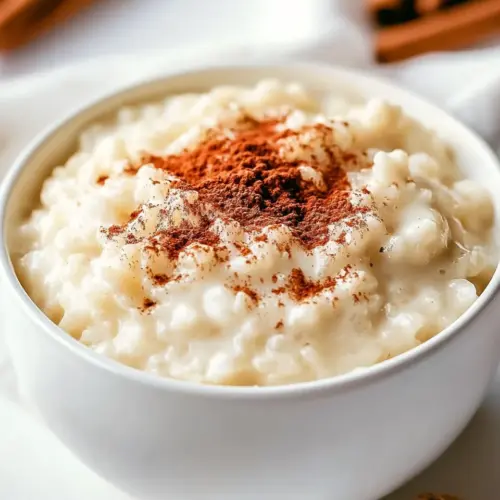
Classic Rice Pudding
Classic Rice Pudding is a creamy, comforting dessert with tender rice simmered in milk and sweetened to perfection, finished with a custardy touch of egg and heavy whipping cream. This easy, nostalgic pudding makes a lovely make ahead dessert or a warm late night snack, perfect for weeknight dinners and gentle gatherings, and an irresistible reason to try it.
Equipment
- Saucepan
- Whisk
- Bowl
- Ladle
Ingredients
- 3/4 cups hort grain rice, such as arborio or sushi Absorbent and starchy, helps create a creamy, thick texture by releasing starch during slow cooking; choose arborio or sushi rice for a tender, slightly chewy bite that holds up in pudding. Provide body and structure so the mixture thickens without becoming gluey when stirred gently and cooked with milk.
- 4 cups whole milk Creamy and rich liquid base that dissolves sugars and softens rice while contributing to overall mouthfeel; whole milk adds a mild dairy sweetness and fat that balances texture. Control simmering temperature to prevent scorching and reduce gently to concentrate flavor and creaminess.
- 1/2 cup white granulated sugar Sweetening agent that enhances flavor and helps caramelize slightly during cooking for a subtle golden hue; granulated sugar blends easily into warm milk to evenly sweeten the pudding. Adjust amount to taste, remembering sugar also affects texture and perception of creaminess.
- 1/4 teaspoons salt Seasoning that enhances and balances sweetness by providing a subtle mineral contrast; a small amount prevents the dish from tasting flat and brings out dairy and rice flavors. Dissolve fully into the cooking liquid to distribute its effect evenly throughout the pudding.
- 1/2 cup heavy whipping cream Enriching cream that boosts decadence and silkiness, increasing richness and improving mouthfeel for a lusciously smooth pudding; adding cream near the end preserves its fat and avoids separation. Whisk gently with a bit of warm mixture before combining to temper temperature differences.
- 1 large egg Binding and thickening agent that adds richness and a custardy texture when tempered into hot milk; beaten egg contributes protein which sets slightly upon gentle heating, yielding a velvety finish. Temper carefully to avoid curdling and stir continuously during incorporation.
- 2 teaspoons vanilla extract Aromatic flavor enhancer that imparts warm, sweet notes and rounds out the dairy and rice flavors; vanilla extract lifts the overall aroma and gives a classic dessert profile. Add toward the end of cooking or after removing from heat to preserve its delicate fragrance.
- 1/2 teaspoon cinnamon, optional Warmly spiced option that adds aromatic depth and a hint of sweetness when sprinkled in; cinnamon complements vanilla and raisins while contributing to visual appeal. Use sparingly if desired, and stir in at the end to retain its fragrance without overpowering the pudding.
- 1/2 cup raisins, optional Sweet, chewy fruit addition (optional) that introduces bursts of concentrated sweetness and texture contrast; raisins plump slightly when cooked in the warm milk, adding fruity pockets throughout. Soak briefly in warm liquid if you prefer softer, plumper raisins before folding in.
Instructions
- In a saucepan or deep frying pan, combine rice, milk, sugar, and salt. Bring to a simmer over low heat. Cover and cook 20-25 minutes until tender, stirring occasionally.: The air will fill with a faint sweet dairy scent as the cold milk meets the room temperature rice , and the sugar begins to dissolve into the liquid. Combining these ingredients cold helps the rice hydrate evenly, preventing uneven cooking where some grains are mushy and others remain firm. You'll notice tiny bubbles forming at the edges as the mixture warms. A common mistake is turning the heat up too high which causes the milk to scald and stick to the bottom, so keep the heat low and stir occasionally to maintain an even temperature and avoid hotspots.
- Meanwhile, in a separate bowl whisk together cream, egg, and vanilla until mixed smooth and mixed well. Slowly whisk into simmering rice and cook 2-3 minutes, until thickened.: As the mixture reaches a gentle simmer, you will hear a soft, consistent bubbling and see a slow rising of steam. This low, steady simmer encourages the rice to release starch gradually, producing a creamy texture rather than a gluey one. Visually, look for a gentle movement across the surface rather than a rolling boil. A frequent error is allowing a rapid boil which will break down the milk proteins and create unpleasant film or scorched bits on the pan, so adjust the flame so the simmer remains gentle.
- Remove from heat. Pudding thickens as it cools. May serve warm or chilled. Optional: mix in or sprinkle cinnamon and raisins on top to serve.: During this cook period the aroma will shift toward a richer, toasted rice note as the grains plump and soften. Lift the lid to stir every so often, scraping the bottom so nothing clings and burns. The rice should feel tender against your teeth but still whole; if it is crunchy, it needs more time. Beware of overcooking which will break down the grains too much and result in a pasty texture, so taste periodically to check for the right tender bite.
- Meanwhile, in a separate bowl whisk together cream, egg, and vanilla until mixed smooth and mixed well: Whisking the egg and heavy whipping cream creates a silky liaison that will enrich the pudding without curdling. The aroma of the vanilla extract becomes more pronounced as you whisk, giving a fragrant lift. The key is to make sure the egg is fully incorporated into the cream so there are no streaks. A common pitfall is adding the cold egg mixture straight into hot pudding, which can scramble the egg, so tempering carefully is crucial in the next step.
- Slowly whisk into simmering rice and cook 2 to 3 minutes, until thickened: Start by ladling a little of the hot pudding into the egg and cream bowl, whisking constantly to raise the temperature. That warm back and forth calms the egg and prevents curdling. When you return the tempered mixture to the pot, the sound will be a quiet settling as the liquids blend, and you will see the pudding take on a thicker, glossier sheen. The heat at this stage gently binds the proteins and starches, producing a custardy finish. Avoid rushing this step with high heat, which risks scrambled bits and a grainy texture.
- Remove from heat: Once thickened, lifting the saucepan will release a rich, sweet steam and a creamy aroma. Removing from heat lets the pudding cool gradually, allowing the mixture to set without becoming stringy. You will notice the pudding continues to thicken as it cools; this is normal and helps achieve the right serving texture. A mistake to avoid is leaving the pot on residual heat which can overcook the mixture, so transfer to a cooler surface if your burner has residual warmth.
- Pudding thickens as it cools: As the temperature drops, the pudding will firm up and the surface may form a slight skin if left uncovered. Stirring once it has cooled a bit will reincorporate any top skin and ensure uniform texture. If serving chilled, transfer to a covered container to avoid absorbing fridge odors. A common issue is impatience, cutting serving time short which results in a runny consistency, so allow sufficient cooling time for ideal body.
- May serve warm or chilled: Warm servings will present a softer, silkier texture and release more aroma, while chilled pudding tightens and delivers a denser mouthfeel. Choose the serving temperature based on preference and occasion, and if chilling, let it rest in the fridge for a few hours for flavors to meld. Avoid repeated heating and cooling cycles which can degrade texture and flavor integrity.
- Optional: mix in or sprinkle cinnamon and raisins on top to serve : The moment you add cinnamon or scatter raisins , you will notice an aromatic lift and contrasting textures; the spice warms the palate and the raisins provide chewy bursts. If you prefer plump raisins, soak them briefly in warm water before stirring them in. A mistake is adding these while the pudding is extremely hot without tempering, which can dry out raisins or mute cinnamon's aroma, so add them thoughtfully near serving.
Notes
- Raisin Boost: If you prefer more texture, stir in extra raisins after cooking, or soak them briefly in warm water to plump before adding for a juicier bite.
- Cinnamon Finish: Dust the top with additional cinnamon at serving time to intensify the spice aroma without altering the pudding texture.
- Extra Creamy: Swap part of the milk for a little more heavy whipping cream for a richer mouthfeel, keeping in mind this increases overall richness.
- Mildly Less Sweet: Reduce the sugar by a tablespoon or two if you prefer a subtler sweetness, tasting as you go to preserve balance.
- Warm or Chilled: Serve warm for softness and aroma, or chilled for a firmer, more set pudding that is excellent for make ahead entertaining.
- Texture Adjustment: If the pudding is too thick after cooling, stir in a splash of warm milk while reheating to loosen and restore creaminess.