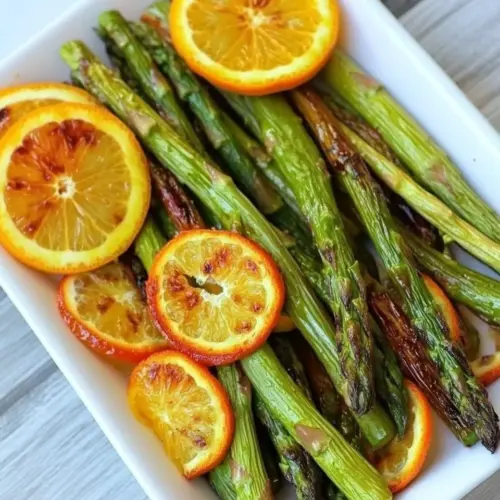
Citrus Roasted Asparagus
Citrus Roasted Asparagus is a bright, easy side that combines tender roasted spears with zesty orange and lemon. The juicy citrus and fragrant herbs create a crisp, flavorful complement to mains, making it perfect for an easy weeknight dinner or a spring gathering. Simple to prepare and full of fresh aroma, it is worth making for its lively, approachable flavor.
Equipment
- Large rimmed baking sheet
- Parchment Paper
- Small Bowl
- Microplane or zester
- Whisk
Ingredients
- 2 medium mandarin oranges, divided Zest and segment to provide bright citrus sweetness and fragrant oils that balance savory and bitter flavors; use divided portions so some juice and zest can go into the dressing while segments finish the dish with fresh texture. Handle gently to preserve juices and prevent bitterness from the pith, and reserve a few segments for garnish to enhance presentation.
- 2 medium lemons, divided Zest and juice to contribute vibrant acidity and aromatic citrus notes that brighten the roasted asparagus; use divided portions so lemon can flavor both the marinade and finishing drizzle. Remove seeds and avoid excessive pith to keep the tartness clean, and add slices or wedges as an optional garnish for extra zing.
- 1 tablespoon extra virgin olive oil Coat and help roast by providing a smooth mouthfeel and carrying the citrus and herb flavors across the asparagus; drizzle evenly to promote even browning and prevent sticking. Choose high-quality extra virgin olive oil for its fruity aroma and moderate smoke point suitable for roasting at typical oven temperatures.
- 1 teaspoon minced garlic Infuse savory, pungent depth when minced and mixed into the oil and citrus, offering a warm garlicky backbone to the dish; distribute finely to avoid large raw bites. Sauté briefly in the hot oil if desired to mellow sharpness before combining with citrus for a more integrated flavor profile.
- 1 teaspoon dried tarragon or thyme Impart aromatic, slightly sweet and herbaceous notes that complement citrus and asparagus; use either dried tarragon for an anise-like lift or thyme for earthy complexity, and sprinkle into the dressing to release flavor. Crush lightly between fingers to awaken oils, and adjust quantity to balance without overpowering the delicate vegetable.
- 1 pound asparagus spears, trimmed Provide the primary vegetable component with tender-crisp texture and naturally grassy, slightly sweet flavor that pairs well with citrus and herbs; trim woody ends to ensure even cooking. Arrange spears in a single layer for roasting to achieve caramelized tips while maintaining a bright green color and pleasant bite.
- kosher salt and freshly ground black pepper, to taste Season and balance the overall flavor by enhancing natural tastes and controlling saltiness and heat; add kosher salt and freshly ground black pepper to taste, starting conservatively and adjusting after roasting. Use coarse kosher salt for even seasoning and freshly ground pepper for aromatic sharpness that completes the dish.
Instructions
- Preheat the oven to 400 ℉. Line a large, rimmed baking sheet with parchment paper (or use a nonstick baking sheet).: As the oven warms, you should feel the kitchen get a touch warmer and begin to smell faint oven heat, which means the environment is ready to quickly transform the vegetables. Proper oven temperature ensures the asparagus roasts evenly and the citrus slices caramelize instead of simply steaming. A common mistake is placing the pan in a cooler oven, which results in limp stalks with little color. If you suspect your oven runs cool, use an oven thermometer and allow a few extra minutes for full heat.
- Zest one orange and one lemon and place the zest in a small bowl. Juice the zested orange and lemon and add the juice to the zest. Whisk in the oil, garlic and tarragon or thyme. Slice the remaining orange and lemon.: The sheet should have enough room so the asparagus lie in a single layer, not crowded. Parchment prevents sticking and makes cleanup effortless, and the rim catches any juices released from the citrus. You'll notice juices pooling and the citrus beginning to sizzle as they warm. Avoid overcrowding, because packed stalks will steam instead of roast, losing crisp edges and color.
- Place the trimmed asparagus on the baking sheet. Top with orange and lemon slices. Drizzle with the juice mixture. Sprinkle with salt and pepper.: Fresh zest is intensely aromatic, releasing oils that wake up your nose immediately. Use a microplane for fine zest that blends easily into dressings. Zest adds bright top notes that juice alone cannot provide, which helps the finished dish smell lively. A pitfall is zesting too deeply into the white pith, which tastes bitter, so lightly grate only the colored skin.
- Bake 12 to 15 minutes, until asparagus is tender. Remove asparagus to a serving platter and drizzle some of the pan juices on top.: As you press the fruit, you'll hear tiny pops and see the juice glisten. Mixing juice with zest captures both aroma and acidity. This balance of oils and acids ensures the dressing clings to the asparagus while adding a vibrant tang. Overdoing the juice can make the pan soggy, so keep the ratio to just enough to coat the stalks.
- Whisk in the oil, garlic and tarragon or thyme: Whisking emulsifies the oil and citrus so the vinaigrette becomes slightly viscous, coating the asparagus evenly. The minced garlic releases savory aroma, and the dried herb infuses a subtle background note. You should be able to smell the herb when you lift the bowl to your nose. A common issue is using too much garlic, which can overpower the citrus, so a teaspoon is deliberate for balance.
- Slice the remaining orange and lemon: Thin slices roast quickly and become slightly caramelized at the edges, adding sweet, concentrated pockets in the finished dish. The sliced fruit will soften and release more juice as it heats, contributing glossy pan juices. Cutting slices too thick can result in pieces that remain cold or undercooked in the center, so aim for even thin rounds.
- Place the trimmed asparagus on the baking sheet: Arrange the stalks so they lie mostly parallel and leave small gaps between them. When the asparagus roasts in an open arrangement, heat circulates and encourages gentle browning along the edges. Visually you should see the tips aligned and stems level. A misstep is tossing everything together into a heap, which blocks heat and causes uneven cooking.
- Top with orange and lemon slices: Lay the slices over and between the stalks, which lets the fruit roast directly on the pan and slightly caramelize. As the citrus heats, it will mingle with the juices and scent the entire tray. The slices also serve as a decorative element when plated. If you pile slices on top of each other they steam rather than roast, so space them out for best texture.
- Drizzle with the juice mixture: Pour the emulsified mixture over the arranged asparagus so each spear gets a glossy coating. You should see tiny droplets bead on the stalks, and the garlic and herb distribution should be even. This step creates the pan juices that will be spooned back over the finished dish for extra flavor. Avoid drizzling too much in one spot which can pool and prevent even roasting.
- Sprinkle with salt and pepper: Seasoning at this stage seasons the entire tray and helps draw out moisture for better browning. You should be able to spot a light dusting of salt crystals and flecks of black pepper across the stalks. Proper seasoning brings all the elements together, but using too much salt at once can make the dish overly salty, so taste and use restraint.
- Bake 12 to 15 minutes until asparagus is tender: During roasting you will hear a soft hiss as the juices sizzle and may see edges darken slightly. The asparagus should become tender but still have a bit of bite, and the citrus slices should show light caramelization. Overbaking will yield limp, overly soft stalks, so check at the earlier time and test one spear for tenderness with a fork.
- Remove asparagus to a serving platter and drizzle some of the pan juices on top: When you transfer the warm stalks, you'll notice fragrant citrus steam rising and the glossy pan juices left behind. Drizzling these concentrated juices back over the asparagus adds an immediate lift to the presentation and final flavor. A common error is letting the juices evaporate on the hot pan; spoon them quickly to capture that bright finish.
Notes
- Swap the herb Use thyme instead of tarragon for an earthier note that pairs well with roasted flavors.
- Char the citrus Place the citrus slices face down on the sheet for a deeper caramelized edge and a slightly smoky sweetness.
- Adjust the garlic If you prefer gentler garlic flavor, sauté the minced garlic briefly in the oil before whisking into the dressing to mellow its bite.
- Presentation boost Arrange roasted citrus slices artfully across the platter for a restaurant style look that elevates simple sides.
- Make ahead Trim the asparagus and prepare the dressing up to a day ahead, then assemble and roast just before serving to save time.