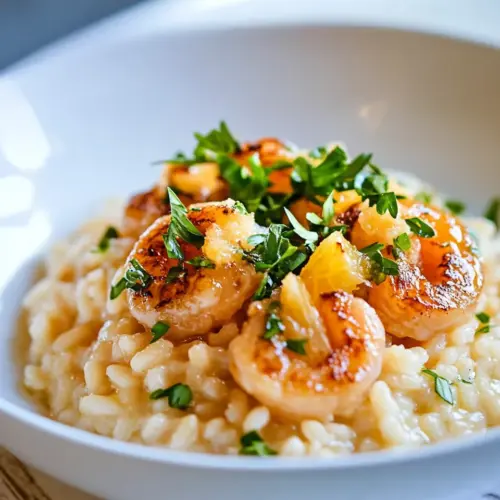
Citrus Risotto
Citrus Risotto is a creamy, bright rice dish combining velvety arborio or carnaroli rice with tangy grapefruit and lime. This easy weeknight dinner delivers silky texture from mascarpone and savory depth from warm chicken stock, finished with playful citrus bursts. Try it when you want a comforting yet refreshing meal that feels special without fuss.
Equipment
- Medium Saucepan
- Paring knife
- Serving bowls
Ingredients
- 1 grapefruit, (you'll need about 3/4 cup of sections, along with any juice) Provide bright, tart juice and segments to add citrusy acidity and fresh floral notes that balance the risotto’s creaminess; reserve any excess juice to deglaze the pan or finish the dish for extra brightness.
- 1 lime Contribute sharp, aromatic acidity and a touch of bitterness to brighten the overall flavor; zest or juice can be used sparingly to lift the risotto’s richness without overpowering it.
- 2 tablespoons butter, salted or unsalted Enrich the cooking base with silky fat that helps sauté the onion and rice while adding a glossy mouthfeel and a lightly savory finish; use salted for seasoning control or unsalted to manage salt precisely.
- 1/2 cup (60 g) finely diced yellow onion Build savory foundation with sweet aromatic compounds when gently sautéed, providing depth and a subtle backbone that complements the rice and citrus elements.
- salt Enhance and balance flavors by controlling seasoning levels; add gradually while tasting to avoid over-salting and to let citrus and mascarpone shine.
- 2 cups (390 g) arborio or carnaroli rice, (see headnote) Serve as the starchy backbone that absorbs flavorful liquids and releases starch during stirring, creating the characteristic creamy texture central to risotto.
- 3 1/2 to 5 cups (850-1200 ml) chicken stock, (if using store-bought stock, get low-sodium) Supply hot, flavored liquid for gradual absorption that softens the rice and develops creaminess; choose low-sodium stock to better control overall salt and flavor concentration.
- 1/4 cup (65 g) mascarpone Add rich, tangy creaminess at the end of cooking to intensify silkiness, tame acidity, and create a lusciously smooth finish that binds the risotto together.
Instructions
- Lop the ends off the grapefruit and the lime. Use a paring knife to remove the skin and cut the segments out over a bowl, being sure to save any citrus juices as well. If there are any tough bits of membrane attached to any citrus segments, remove them with a knife. Squeeze the membranes over the bowl after sectioning to extract as much juice as possible.: The moment you start handling the grapefruit and lime , you will notice their bright, fragrant oils; that scent alone lifts your mood. As you remove the skin and cut the segments, let the juice collect in a bowl because that liquid is concentrated flavor that will fold into the risotto. Sensory cues to watch for include firm but yielding fruit segments and a bowl that begins to glisten with juice. A helpful technique is to work over a shallow bowl so you can see and salvage every drop. One common mistake is rushing and leaving behind membranes that taste bitter, so take your time to remove any tough bits carefully. If your paring knife slips, stop and reposition the fruit to keep cuts clean and controlled.
- Heat the butter over low-to-medium heat in a medium saucepan (4-6 quarts/liters.) Add the onions, season with a pinch of salt, and cook, stirring frequently, until the onions are translucent, about 5 minutes. Add the rice and stir until the rice is coated with butter and shiny. While you are cooking the onions and rice, heat the stock in a saucepan and keep warm while you continue making the recipe.: As the butter melts and the onion softens, you will smell a gentle sweetness, and the sound of the pan will shift from a hiss to a softer sizzle. The pan should feel warm but not aggressively hot, because gentle heat coaxing the onion into translucence preserves its sweet notes without browning. When you add the rice , each grain will take on a glossy sheen from the fat, which is the visual sign you want before any liquid touches it. Keeping the stock warm nearby is essential, because adding cold liquid cools the pan and interrupts the cooking rhythm. A frequent error is overheating and browning the onion, which introduces caramelized flavors that alter the intended profile, so keep the flame moderate and stir regularly.
- Stir about 2 cups (500 ml) of the stock into the rice. Keep the heat at a gentle simmer and as the first amount of stock gets absorbed, while stirring occasionally, add another 1 cup (250 ml) or so, stirring as needed, to keep the rice cooking and absorbing the liquid evenly. Continue to add more stock, about 1/2 cup (125 ml) or so at a time, seasoning the risotto with salt when the rice is very close to being fully cooked. At that point, add the citrus sections and juice to the risotto, crumbling them roughly as you add them to the risotto. Gently cook the risotto, continuing to stir occasionally until the rice is no longer firm. It's hard to say exactly how much stock the rice will absorb, but it's done when the rice is soft and velvety, and no longer tastes raw. I used the full 5 cups of stock but yours may require less.: When you pour the hot stock in, listen for the satisfying hiss as the liquid meets the warm rice, then settle into a gentle simmer. The first additions are about coaxing starch out of the rice so it becomes creamy, while subsequent smaller additions control texture. Stirring helps distribute heat and promotes even absorption, and you will see the surface go from glossy to slightly thickened as starch releases. The right doneness is when the grains are plump and tender with a slight bite in the center, not chalky. Be mindful of over stirring which can make the risotto gluey, and avoid adding all the stock at once, which prevents proper release of starch and ruins texture. If the risotto seems too dry midway, add a splash of stock and give it time to relax.
- Remove from heat and stir in the mascarpone. Divide into soup bowls, mounding the risotto in the center of the dish. Serve with shrimp, fish, or vegetables, as desired.: At the finish, when the rice feels tender and the pan has been pulled from the heat, the mascarpone is folded in to enrich and smooth the texture, and you will immediately notice the surface become silkier and more cohesive. The aroma should be a balance of warm, savory stock and lifted citrus. Spoon the risotto into shallow bowls so each portion cools slightly and the textures hold. If you plan to serve alongside shrimp or fish , coordinate their timing so everything is hot together. A typical misstep is leaving the risotto unattended too long off heat, which causes it to thicken and stiffen; if that happens, loosen with a splash of warm stock just before serving to restore the correct consistency.
Notes
- Make it vegetarian: Replace the chicken stock with a rich vegetable stock made from roasted vegetables and aromatics. This keeps the umami backbone while making the dish meat free. Taste and adjust salt carefully because vegetable stocks vary widely in intensity.
- Adjust citrus intensity: If you want a subtler citrus note, use less of the grapefruit segments and more of the reserved juice, adding it gradually until the flavor sits where you like it. Too much whole segment can create bursts that dominate the palate.
- Control creaminess: For an even silkier finish, stir in an extra tablespoon of mascarpone off heat, but be cautious not to overdo it, as excessive dairy can mute citrus brightness and make the risotto heavy.
- Swap rice types carefully: If you only have Arborio or Carnaroli, follow the recipe as written; Carnaroli tends to hold its shape slightly better, while Arborio can become a touch creamier. Do not substitute with long grain rice, which lacks the starch profile needed for classic risotto texture.
- Finish with fresh herbs: Stirring in a small handful of finely chopped herbs at the end can add freshness. Consider delicate herbs used sparingly, and add them right before serving so they keep their color and aroma.