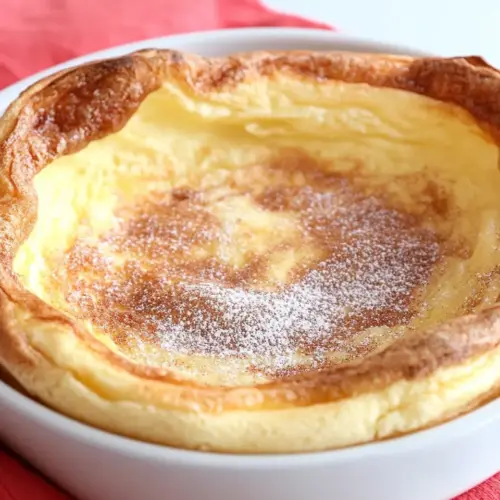
Cinnamon Sugar Dutch Baby
Cinnamon Sugar Dutch Baby is a quick, impressive skillet pancake with a custardy center and crisp, caramelized edges. Flavored with warm cinnamon and vanilla, and finished with melted butter and extra granulated sugar, it makes a cozy yet elevated breakfast or brunch. It’s easy to pull together and delivers a restaurant worthy result at home, perfect for weekend gatherings.
Equipment
- 9-12 inch cast iron skillet or 9 inch pie plate
- Blender
- Oven
Ingredients
- 2/3 cup flour Provide structure and bulk to the batter by forming the gluten network that traps steam; whisking smooth prevents lumps and yields a light, puffed Dutch baby. Sift or whisk well to ensure even hydration and a consistent texture throughout baking.
- 2/3 cup milk Contribute moisture and steam that helps the pancake rise dramatically while creating a tender crumb; use room-temperature milk for best incorporation. Combine gradually with eggs to avoid overworking the batter and to maintain a silky consistency.
- 4 eggs Leaven and enrich the batter while adding both lift and custardy richness as proteins coagulate during baking; beat until homogenous for an even rise. Use fresh eggs at room temperature to maximize volume and create the signature puff.
- 2 teaspoons vanilla extract Enhance aroma and add a warm, sweet background flavor that complements cinnamon, improving overall complexity; add with the wet ingredients for even distribution. Use pure extract for a clean flavor that carries through the bake.
- 2 1/2 tablespoons cold butter divided Provide cold butter pieces that create pockets of steam and flavor during baking, promoting flakiness and aiding rise when placed in the hot pan. Cut or slice the cold butter so it melts unevenly, contributing both richness and a slightly layered texture.
- 1/3 cup granulated sugar Sweeten and balance the batter while contributing slight texture and caramelization on the surface; stir in to dissolve for even sweetness. Adjust quantity slightly for personal taste but maintain enough to support browning without sogginess.
- 2 teaspoons cinnamon Impart spicy warmth and aromatic depth that pairs with sugar to create a classic cinnamon-sugar profile; blend evenly into the dry or wet mix for consistent flavor. Use fresh ground cinnamon for the most pronounced, fragrant result.
- 2 tablespoons butter melted Melted butter adds glossy richness and helps coat the skillet for a crisp, golden edge while contributing buttery flavor to the finished Dutch baby. Pour hot melted butter into the pan before adding batter to sear edges and promote a dramatic puff.
Instructions
- Preheat oven to 450 degrees.: You will notice the house begin to warm and the air carries a dry heat that primes the pan to sear the batter instantly, which is crucial for that dramatic puff. Heating the oven thoroughly ensures the skillet becomes extremely hot, giving immediate lift when the batter hits the surface. A mistake here is not allowing enough time for full heat, which leads to a flatter result, so confirm the oven reads 450 before continuing.
- Place one tablespoon butter in a 9-12 inch cast iron skillet or 9 inch pie plate. Place in the oven for 5 minutes.: The butter sizzles and foams when it hits the hot pan, smelling nutty and inviting, which helps the edges caramelize. The short time in the oven also melts the butter completely and coats the pan, creating a nonstick surface and a flavor base. Be careful removing the skillet, it will be very hot, and using an oven mitt is essential to avoid burns.
- Combine the sugar and cinnamon in a small bowl.: As you stir, the sweet and spicy aroma becomes immediate, and the grains of granulated sugar mingle with the powdery cinnamon to form a topping that will toast in the oven. This pre mix ensures even distribution and prevents clumping when sprinkled, which yields a consistent crust. One pitfall is adding the topping too late, which can cause uneven caramelization, so have it ready before the batter goes in.
- Put the flour, milk, eggs, vanilla, and remaining cold butter in a blender. Blend until well blended. Scrape down the sides and blend for about 30 seconds more.: When you blend, the batter becomes silky and lump free, with air incorporated for lift, and the cold butter breaks into tiny morsels that contribute to richness. A good blender pulse followed by a smoother spin gives an even texture, and you will hear the change as the mixture quiets. Avoid over mixing for too long at high speed, which can heat the batter and reduce puff during baking.
- Remove the skillet or pan from the oven and swirl the butter all around. Sprinkle with 1/3 of the cinnamon sugar and then pour the batter into the skillet. Place in the oven at 450 degrees for 20 minutes. DO NOT OPEN the oven during this first 20 minutes! After 20 minutes turn the oven down to 350 degrees and bake for another 15-20 minutes until the edges begin to brown.: The batter should have a smooth sheen and an even color, free of streaks of flour or bits of unincorporated butter . Continued blending helps create a uniform emulsion so the pancake sets evenly, and those extra seconds give a light, slightly aerated batter. A common error is leaving lumps which can cause uneven pockets and a bumpy surface once baked.
- Remove from oven and let cool for 3-5 minutes. Brush or drizzle with the remaining melted butter, then cover in more cinnamon sugar. Serve immediately.: The sizzling sound as batter meets the hot, buttered skillet confirms a rapid set at the edges, which traps steam and causes the center to puff up dramatically. The initial closed oven stage is critical because any lost steam will deflate the rise, so resist opening the door. When you reduce to 350 after 20 minutes, you will notice the color deepen and the edges tighten into a crisp, lacy frame; that lower heat finishes cooking the center without burning the rim. Opening too early is the most frequent mistake and causes collapse, so be patient and watch the clock.
- Remove from oven and let cool for 3-5 minutes. Brush or drizzle with the remaining melted butter, then cover in more cinnamon sugar. Serve immediately.: The first breath of warm cinnamon as you brush on the melted butter is irresistible, and the sugar melts slightly into the hot surface, forming sticky bits that glisten. Letting it rest briefly helps the interior set so it slices cleanly, while the final buttery shower amplifies the aroma and mouthfeel. Serve right away for best texture, as prolonged sitting can soften the crisp edges, which is a common regret when people wait too long.
Notes
- Pan choice matters: A heavy cast iron skillet holds heat and promotes a dramatic rise and crisping. If you use a lighter pan, preheat longer to compensate, otherwise the edges may not brown properly.
- Room temperature eggs help: Cold eggs reduce the batter’s ability to trap air. Leave them out for 15 to 30 minutes before blending for a puffier finish.
- Butter timing: Putting one tablespoon of butter in the hot pan creates a nutty, toasted note, while melted butter brushed on at the end gives glossy richness. Do both for contrast.
- Don’t over sweeten: The cinnamon sugar is potent, so use it thoughtfully. Too much will mask the delicate custard flavor and make the texture syrupy rather than crisp.
- Oven patience: Leaving the oven door closed during the first stage is critical. Opening it releases steam and causes collapse, which is the most common mistake with this recipe.