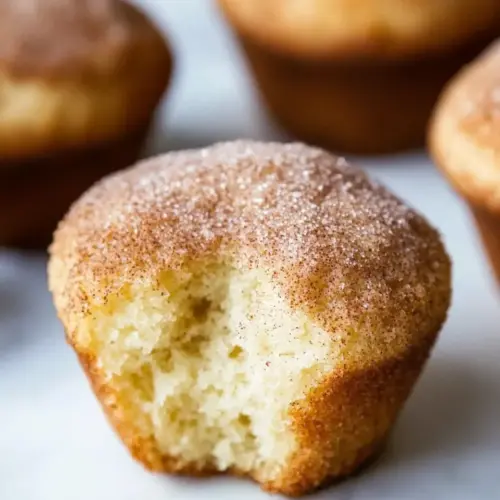
Cinnamon Muffins
Cinnamon Muffins are soft, warmly spiced, and easy to make with pantry staples. The crunchy cinnamon sugar topping contrasts a tender, buttery interior, making them perfect for a cozy breakfast or quick snack. Quick to mix and reliably delicious, these muffins are a go to for busy mornings and casual gatherings, and they deliver consistent, comforting results every time.
Equipment
- Mixing Bowl
- Whisk
- 12 count muffin tin
- Spoon or Ice Cream Scoop
- Wire Rack
Ingredients
- 1 1/2 cup all purpose flour Provide structure and bulk to the batter, forming the base of the muffin crumb when hydrated and mixed; sift or whisk to remove lumps and ensure even incorporation. Contribute gluten that gives chew and elasticity but avoid overmixing to keep muffins tender and light. Pair well with leaveners and fats to create a balanced texture and oven rise.
- 1/2 cup sugar Add sweetness and browning to the muffins while tenderizing the crumb by interfering with gluten development; measure accurately to avoid an overly dense or overly sweet result. Help caramelize the tops during baking for appealing color and flavor depth. Can be adjusted slightly for personal taste without drastically altering structure.
- 1 1/2 tsp baking powder Provide chemical leavening that releases carbon dioxide during baking to lift and aerate the muffins, creating a light crumb. Measure precisely and distribute evenly by whisking with dry ingredients to avoid uneven rise or metallic pockets. Work in conjunction with warm liquids to activate fully for optimal height.
- 1/2 tsp salt Enhance overall flavor balance and strengthen structure by tightening gluten slightly; also helps control yeast or baking powder activity and enhances other flavors. Use sparingly to avoid making muffins taste salty; it also can improve browning. Dissolve into dry mix to ensure even taste distribution.
- 1/4 tsp nutmeg Introduce warm, aromatic spice notes that complement cinnamon and elevate the muffin’s flavor complexity in a subtle way. Use in small amounts to avoid overpowering the cinnamon and sugar profile. Pair with cinnamon for layered spice character in both batter and topping.
- 5 tbsp unsalted butter, melted, plus more to grease the pan Contribute richness, moisture, and tender crumb from the melted butter, while also adding a buttery flavor that complements the cinnamon and sugar. Grease the pan with additional butter to prevent sticking and promote browning at the muffin edges. Melt carefully and cool slightly before combining with eggs and milk to avoid cooking the eggs.
- 1 egg, room temperature, lightly beaten with a fork Provide structure, emulsification, and moisture while helping to bind ingredients together for a stable batter; beaten lightly to ensure even distribution throughout the mix. Add richness from the yolk and some lift from the trapped air in the egg whites. Bring to room temperature so it incorporates smoothly into warm butter and milk.
- 1/2 cup warm milk, low fat or whole milk Moisten and dissolve dry ingredients while contributing to tenderness and oven steam for a softer crumb; warm milk helps better incorporate melted butter and bloom leavening agents. Choose low fat or whole to subtly affect richness and mouthfeel. Combine with egg and butter to create a smooth batter consistency.
- 1/3 cup sugar Create a sweet cinnamon-sugar topping or swirl that adds texture contrast and extra sweetness distinct from the batter; sprinkle or layer as directed for pockets of sugary crunch. Use measured amount to avoid oversweetening the muffin interior. Works well combined with cinnamon for a classic streusel-like finish.
- 3/4 tsp cinnamon Impart warm, fragrant spice flavor and aroma when mixed with sugar for a topping or swirl, enhancing the cinnamon-muffin profile without overwhelming the batter. Measure carefully to maintain balance with nutmeg and other spices. Blend with sugar and butter for uniform distribution in the topping.
- 3 tbsp unsalted butter, melted Provide additional richness and a buttery coating for the topping, helping the cinnamon-sugar adhere and brown into a slightly crisp finish. Melted butter also adds moisture to the topping layer and promotes golden color during baking. Drizzle or mix with sugar and cinnamon to achieve desired texture on the muffin surface.
Instructions
- Preheat oven to 350°F. Grease a 12-count non-stick muffin tin with butter or cooking spray.: As the kitchen warms, you should notice a faint toasty scent from the preheating coil. Setting the oven now ensures even heat so the muffins rise uniformly, forming gently domed tops. One reason this matters is that an oven that is too cool yields pale, dense muffins; too hot and edges overbake before the center sets. A common mistake is slipping in the batter before the oven is truly at temperature, which can flatten the rise, so always confirm the preheat indicator.
- In a large mixing bowl, whisk together flour, sugar, baking powder, salt, and nutmeg.: Greasing the pan produces those golden, slightly crisp bottoms and makes removal effortless. When you brush melted butter into each cup, you can hear a faint slicking sound and see the glossy sheen. If you skip this step or under grease, muffins may cling and tear when removed. A tip is to use just enough butter so paper liners are unnecessary, but not so much that the bottoms become greasy.
- Add warm milk, lightly beaten egg, and 5 Tbsp melted butter and stir until combined but still lumpy (DON'T over mix).: The dry ingredients should look evenly distributed, a pale, sandy mixture streaked with tiny flecks of nutmeg . Whisking aerates the flour and evenly disperses leavening, which promotes a consistent crumb. If baking powder is clumped it can create odd pockets of flavor or uneven rise, so break any lumps. Avoid overworking the mixture, which can develop gluten and make the muffins tough.
- Divide the batter into your prepared pan using a spoon or ice cream scoop. Each cup will be about 1/3 full. Bake for 20-22 min or until golden at the edges and a toothpick inserted into the center comes out clean.: When the wet ingredients hit the dry, the batter will look like a thick, slightly shaggy paste dotted with tiny air pockets. The warmth of the milk helps the melted butter disperse evenly, and the beaten egg adds silkiness. Stir just until the streaks of flour disappear, because over mixing will cause gluten to form, leading to heavy muffins. Watch for a batter that clings to the spoon but still falls slowly; that indicates proper mixing.
- For the topping, in a small bowl, mix together 1/3 cup of sugar with cinnamon. In a second small bowl, melt your remaining 3 Tbsp butter.: Dimpling each cup to the right level helps muffins bake with similar size and doneness. As you portion, you should see a glossy, slightly lumpy batter dropping into cups and settling into a smooth surface. Uniform scooping avoids some muffins finishing much earlier than others. A common misstep is overfilling, which makes the muffins dome and spill over, so stick to about one third full for this recipe.
- Dip warm muffin tops briefly in melted butter, then dip/roll generously in cinnamon sugar. I like to coat the sides of the muffins with cinnamon sugar as well. Set them on a wire rack to cool.: During baking the tops will puff and faintly crack as air pockets expand. You will smell the cinnamon and nutmeg as the sugars caramelize. Check visually for a warm golden color at the edges and a toothpick emerging mostly clean. Pulling the muffins out too early can leave a gummy center, while leaving them too long will dry them out, so use the toothpick test and color cues together.
- For the topping, in a small bowl, mix together 1/3 cup of sugar with cinnamon: The sugar and cinnamon should look like a slightly speckled sand, with the aroma of warm spice becoming apparent as you stir. This coating crystallizes into a crisp layer on the muffin top. If the cinnamon lumps or the sugar has hardened, break it up before rolling. Avoid using too coarse a sugar otherwise the texture will be overly crunchy compared to the tender crumb inside.
- In a second small bowl, melt your remaining 3 Tbsp butter: The melted butter should be warm and glossy, not scorching. When you dip the muffin tops, the heat helps the sugar adhere and forms a subtle glaze. If the butter is too hot, it can melt the muffins slightly and make the coating slide off, so keep it warm to the touch, not boiling.
- Dip warm muffin tops briefly in melted butter, then dip/roll generously in cinnamon sugar: The sensory joy here is the contrast between the warm, soft muffin and the crunchy, aromatic coating. The butter makes the cinnamon sugar stick and gives a slight shine. Roll the sides too if you like a fully coated treat. A frequent slip is coating muffins that have fully cooled, which prevents the sugar from adhering well; work while they are still warm.
- Set them on a wire rack to cool: Cooling on a rack prevents trapped steam from making bottoms soggy, so the muffins retain their crisp tops and tender interiors. You will notice a gentle hiss as residual steam escapes, and the muffin tops will become slightly firmer as they cool. If you leave them in the pan, condensation can form and soften the crust, so transferring to a rack is key to preserving texture.
Notes
- Swap milk fat: If you want a richer crumb, use whole milk; low fat will yield a slightly lighter texture.
- Brown butter boost: For a nuttier aroma, brown the 5 Tbsp of butter before melting fully, but be careful not to burn it as that adds bitterness.
- Extra cinnamon sugar: Increase the topping ratio slightly for a more pronounced crunchy coating, but keep the sugar balance so it does not overpower the crumb.
- Gentle folding: Use a spatula to fold wet into dry with minimal strokes to retain air for a loftier muffin.
- Make ahead: Prepare batter and refrigerate for up to 24 hours, then bake straight from the fridge, adding a minute or two to the bake time as needed.