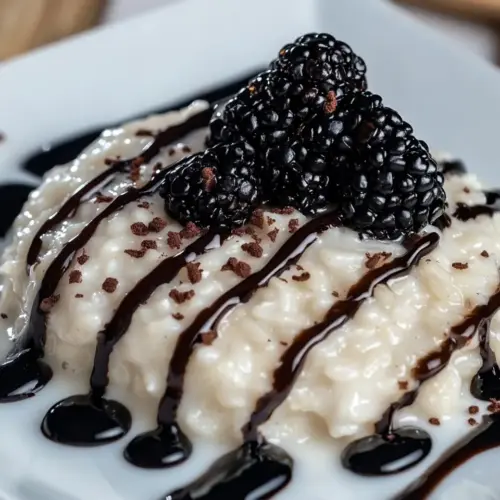
Christmas Finnish Rice Porridge
Christmas Finnish Rice Porridge is a creamy, comforting porridge that combines starchy short grain rice and rich whole milk for a silky texture. Topped with bright bilberry sauce or a sprinkle of cinnamon, it makes an easy winter breakfast or festive morning treat, perfect for relaxed holiday gatherings and cozy family moments.
Equipment
- Saucepan
- Non-stick pan
- Fine sieve
- Wooden Spoon
Ingredients
- 300 ml water Boil gently and provide the initial cooking liquid that softens rice and starts the porridge base; contributes neutral flavor and controls texture as grains absorb moisture. Use measured amount to prevent burning and maintain simmer consistency for even cooking. Adjust slightly if switching pot size or rice type to keep porridge creamy.
- 150 g short grain rice Rinse if desired and supply the starchy core that thickens the porridge while delivering a creamy mouthfeel; short grain rice releases more starch, creating the characteristic porridge body. Monitor cooking time so grains remain tender without disintegrating into mush. Choose quality short grain for authentic texture.
- 700 ml whole milk Heat slowly and enrich the porridge with creaminess and flavor while creating a smooth, velvety consistency as it blends with cooked rice. Add gradually and simmer to avoid curdling, stirring frequently for even incorporation. Whole milk also contributes natural sweetness and richness.
- 1/2 tsp salt Season sparingly and enhance overall flavor by balancing the sweetness and bringing out the rice and milk flavors; dissolve into liquids early for uniform distribution. Use precisely to avoid over-salting, since additions like butter or sauces will further modify taste. Taste near the end and adjust if necessary.
- butter to taste Melt for finishing and introduce richness, glossy texture, and savory contrast to the sweet porridge when stirred in or dotted on top. Add to taste to control decadence and mouthfeel, enhancing buttery aroma and smoothness. Use high-quality butter for best flavor.
- 2 tbsp sugar or to taste Sweeten gradually and adjust sweetness to preference while complementing the mild rice and milk; dissolve into warm porridge for even flavor. Start with the suggested amount and increase incrementally to avoid over-sweetening. Sugar also helps balance acidity from berry toppings.
- 1 almond optional Hide optionally and contribute a festive tradition and textural surprise when added whole; can be served to a guest for celebration. Include if desired to create a playful element and a small crunchy contrast within the soft porridge. If omitted, porridge remains traditional but without the lucky bite.
- cinnamon for sprinkling on top, or any sweet topping of your choice Sprinkle lightly and provide aromatic warmth or additional sweetness as a finishing touch that elevates presentation and flavor; use cinnamon or alternate sweet toppings to personalize the dish. Apply just before serving to preserve aroma. Choose toppings that complement the berry sauces.
- 2 tbsp blueberry sauce Spoon on as a flavorful condiment and deliver concentrated fruity sweetness and color that pairs with the creamy porridge base; blueberry sauce adds tang and depth. Use measured portions to balance sweetness and texture. Can be swirled into individual bowls for visual appeal.
- 2 tbsp raisin sauce Drizzle as a rich, sweet accompaniment and bring a deep, caramelized fruity note that contrasts the porridge creaminess; raisin sauce offers intense sweetness and chew if desired. Use sparingly to avoid overpowering other flavors. Pairs well with cinnamon and butter.
- 400 g bilberries fresh or frozen Fold in fresh or frozen to introduce bright, tart berry flavor, vivid color, and natural juiciness; bilberries can be cooked into the sauces or served on top for freshness. If frozen, thaw or simmer briefly to release juices; if fresh, gently warm to preserve texture. They also add antioxidant-rich fruit character.
- 200 ml water Add to cook and adjust consistency when preparing sauces or heating berries, providing extra liquid for simmering and diluting concentrated sweetness. Use thoughtfully to achieve desired thickness in fruit sauces and to prevent scorching. Warm water aids in dissolving sugar evenly.
- 150 g sugar Dissolve and create sweet fruit sauces or compotes, supplying a concentrated sugary base that balances tart berries and complements the porridge. Incorporate gradually into cooking fruit to control sweetness and viscosity. Use the amount provided for a notably sweet sauce, adjusting to taste.
Instructions
- Sometimes preparing rice porridge can be a bit risky, since the milk protein and the rice starch make for a sticky combination that's prone to burning. To avoid that as much as possible, use a non stick pan of some kind (or a thick-bottomed saucepan) and remember to stir every so often!: The aroma at this stage is delicate, with a light toasty scent from the rice as the water reduces, and you will hear a soft, almost whispering simmer. Maintaining even heat prevents the bottom from catching, so choose a non stick pan or a heavy based saucepan for steady conduction. Stirring every few minutes prevents settled starch from baking to the bottom, and a common mistake is leaving a high flame under the pot which leads to scorching. If you notice dark flecks on the base, reduce heat immediately and transfer to a cooler burner to save the batch.
- Begin with placing 300 ml (1 1/3 cups) of water in a saucepan and bring to a boil. Add 150 g (3/4 cup) porridge rice and salt to the pot and simmer, stirring often, until the rice has absorbed the water. Then pour in the milk.: As the water comes to a boil you will sense a clean, grainy steam, and once the rice is added you can already see the kernels swell and plump. Stirring helps the grains hydrate uniformly, preventing hard centers. When the water is absorbed you will notice the mixture going from separate grains to a softer mass, which signals the right moment to add the whole milk . A frequent error is adding milk too early on high heat, which can cause foaming and sudden boil overs, so pour slowly and keep the temperature controlled.
- Once the milk too, has started to boil, lower the heat to minimum and cover the pan. Cook for another 40-60 minutes, returning to the pan often to stir.: The scent of simmering milk becomes more pronounced and comforting, and the porridge will gradually thicken into a creamy body. Reducing to minimum prevents the milk proteins from denaturing too quickly and reduces the risk of forming a skin. Gentle, periodic stirring scrapes softened starch from the sides and keeps the texture even. A common mistake is turning the heat up to speed things along, which often produces a grainy texture or burnt notes at the bottom, so be patient and trust the low simmer.
- You should get a smooth and soft-textured porridge, just the rice consistency for pouring and not too thick.: The finished texture should glide off a spoon in a thick ribbon, not mound like mashed potatoes. Visually, the grains will be swollen and slightly broken down, suspended in a glossy, milky liquid. The mouthfeel should be creamy without any chalkiness. If your porridge seems too thick, a splash of warm milk will loosen it, and if it is too thin, continue simmering gently while stirring. Avoid the error of over stirring vigorously which can make the porridge gluey.
- Take off the heat and stir in the sugar and butter to your liking.: The aroma turns sweeter immediately as the sugar dissolves, and the butter melts to create a shiny surface and rounded flavor. Stirring at this stage blends fat and sugar so the porridge feels indulgent without being cloying. Taste carefully, since the sauces you add later will also contribute sweetness. A common oversight is adding too much sugar before tasting, which is hard to correct later.
- To serve, scoop the hot porridge out into individual serving bowls or ramekins and top with either a sprinkle of cinnamon or whatever topping of your choice and dig in!: When plated, the steam will lift the fragrance of cinnamon and warm dairy, inviting everyone to customize. The contrast between warm porridge and cool fruit sauces is delightful, and aesthetically the bright sauces make the bowl inviting. One pitfall is serving in cold bowls which can cool the porridge quickly, so warm your bowls briefly if possible.
- Store leftovers in the refrigerator for about 2 days.: Leftovers will thicken as the porridge cools, and the texture mellows overnight. Reheat gently over low heat with a splash of milk to restore creaminess, stirring frequently to prevent sticking. A common mistake is reheating at high temperature which leads to a grainy rebound; slow and steady is the way to go.
- Put the bilberries, water, and sugar in a saucepan. Bring the mixture slowly to the boil, crushing the berries with a spoon or a pounder.: As the bilberries warm, they release a fragrant, fruity perfume and the kitchen fills with a jam like scent. Crushing releases juices and color, and a slow approach prevents the sugar from caramelizing too quickly. Expect a bubbling, popping sound as berries break down. A typical error is boiling too fast, which can cause the sauce to scorch or reduce too aggressively.
- Cook the mixture for a few minutes, then strain it through a fine sieve. Store covered in the refrigerator.: Cooking briefly concentrates the flavor without losing the fresh berry brightness, and straining yields a smooth, glossy sauce perfect for spooning. You will notice a rich sheen and an intensified berry aroma once strained. Cool before refrigerating to preserve freshness. Avoid leaving the sauce at room temperature for long periods, which can accelerate spoilage.
Notes
- Adjusting sweetness Start with the recommended 2 tbsp of sugar and taste after adding the sauces, increasing incrementally so the berry flavors remain bright rather than overwhelmed.
- Almond option If you include the single almond tradition, label bowls for allergies and consider chopping it finely if you want a gentle crunch without a full nut bite.
- Milk richness Use the full 700 ml of whole milk for the creamiest result; if you prefer a lighter texture, reduce slightly but be prepared for less luxurious mouthfeel.
- Sauce texture For a chunkier topping, skip straining the bilberry sauce so you retain berry pieces, which provide pleasant contrast against the smooth porridge.
- Batch and store Make a double batch and refrigerate in shallow containers for quicker cooling and reheating, adding a splash of milk when warming to revive creaminess.