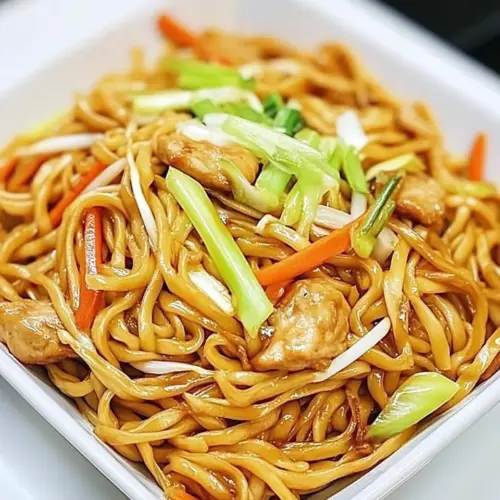
Chow Mein
Chow Mein blends silky noodles, savory soy and oyster sauce, and crisp vegetables for a quick, satisfying meal. This easy weeknight dinner offers a balance of textures and bold umami flavors with tender chicken and juicy shrimp. Fast to prepare and endlessly adaptable, it is a go to when you want something flavorful and comforting to make tonight.
Equipment
- Wok or Skillet
- Mixing Bowl
- Tongs or spatula
Ingredients
- 8 oz . (230 g) steamed chow mein, or fresh chow mein noodles Steamed or fresh chow mein noodles provide the primary carbohydrate base and texture for the dish, offering a springy chew that soaks up sauces; they should be warmed or briefly tossed in oil to prevent sticking before stir-frying.
- 1 tablespoon soy sauce Season with soy sauce to impart a balanced salty-umami backbone to the sauce, helping to deepen flavor and enhance other ingredients; add during cooking so it evenly distributes through the noodles and proteins.
- 1 tablespoon oyster sauce Use oyster sauce to contribute a rich, savory-sweet depth and slightly thick body to the sauce, bolstering the overall umami profile; stir it into the sauce mixture to meld with soy and other seasonings.
- 1/2 teaspoon sugar Add sugar to subtly balance salty and savory elements and to enhance caramelization during high-heat stir-frying; dissolve it into the sauce so it integrates without graininess.
- 1/2 teaspoon dark soy sauce Include dark soy sauce to intensify color and add a deeper, slightly sweeter soy flavor distinct from light soy; use sparingly to avoid overpowering saltiness while achieving an appetizing brown glaze.
- 2 tablespoons water Use water to thin and adjust the sauce consistency, helping it coat the noodles and vegetables without becoming too concentrated; add gradually to reach the desired saucy texture during cooking.
- 2 tablespoons cooking oil Heat cooking oil to facilitate high-heat stir-frying, promoting even browning and preventing sticking while carrying flavors from aromatics; choose an oil with a suitable smoke point for quick, hot cooking.
- 3 cloves garlic, finely minced Mince garlic finely to release its aromatic compounds and provide a pungent, savory foundation that flavors the oil and infuses the entire dish; add early in the stir-fry but avoid burning to prevent bitterness.
- 2 oz . (60 g) chicken, cut into thin strips Slice chicken into thin strips to ensure rapid, even cooking and tender texture while absorbing the sauce; marinate briefly or season before stir-frying for enhanced flavor and juiciness.
- 6 medium-sized shrimp, shelled and deveined Prepare shrimp shelled and deveined to provide sweet, briny protein that cooks quickly and adds textural contrast; add near the end of cooking to avoid overcooking and maintain plumpness.
- 1/2 cup cabbage, shredded Shred cabbage to contribute crispness, mild sweetness, and bulk while absorbing sauce flavors; add early enough to wilt slightly but retain a pleasant crunch in the final dish.
- 1/4 cup carrot, shredded Shred carrot to add color, subtle sweetness, and crunchy texture that complements softer ingredients; toss with high heat so it remains slightly crisp while becoming tender at the edges.
- 2 stalks scallions, cut into 2-inch strips (5 cm) Cut scallions into 2-inch strips to provide a fresh, oniony brightness and mild crunch; add toward the end of cooking and reserve some for garnish to preserve their vibrant flavor and color.
Instructions
- Soak the chow mein noodles in cold water for about 5 minutes. Rinse them a few times until the water runs clear and the noodles soften. Drain the excess water and set aside. (Be careful not to over-soak the noodles, as they may become soggy.): The noodles will quietly hydrate and separate, producing a supple texture rather than clumps. As they soak you will notice the water go from cloudy to clearer, a visual cue that starch is releasing. Drain fully and give them a gentle shake to remove excess water, this prevents splattering when they hit the hot oil. A common mistake is over soaking; if they become too soft they will break apart while stir frying and lose the toothsome bite that makes the dish satisfying.
- In a small mixing bowl, combine all the ingredients for the Chow Mein Sauce. Set aside.: Mixing the soy sauce , oyster sauce , dark soy sauce , sugar , and water ahead lets flavors marry and ensures an even coating when added to the pan. Whisk until the sugar dissolves and the darker sauces have blended into a uniform liquid. This step helps you control balance before adding to the noodles, which is crucial because once it hits the wok flavors concentrate rapidly. Avoid skipping tasting, because small adjustments here save reworking the whole dish later.
- Heat a skillet or wok with oil. Add the garlic and stir-fry until light brown or aromatic. Then, add the chicken and shrimp, stirring until they are half cooked. Incorporate the shredded cabbage and carrot into the wok, stirring quickly. Add the noodles and soy sauce mixture, continuing to stir-fry until the noodles are well combined with the sauce and fully cooked through.: A properly heated pan should shimmer and make a faint ripple when oil is swirled in, that sound is your cue to add aromatics. When the oil is hot add the minced garlic , and you will smell a warm, savory perfume within seconds. Stir fry the garlic until it becomes light brown and aromatic, then push it to the side to prevent burning. Burnt garlic tastes bitter and will undermine the dish, so keep the pan moving and reduce heat briefly if it browns too fast.
- Add the chopped scallions, do a few final stirs, dish out, and serve hot.: As the proteins hit the pan you will hear a steady sizzle, and juices will begin to release, contributing to the wok flavor. Keep the pieces moving so they sear evenly, developing small golden edges that add texture. Stop when they are partially cooked because they will finish quickly after the vegetables and noodles join; overcooking now leads to dry chicken or rubbery shrimp .
- Incorporate the shredded cabbage and carrot into the wok, stirring quickly: Tossing these in keeps them crisp tender, offering contrast to the softening noodles. You should see the vegetables glisten as they meet the hot oil and release a faint sweetness, and the pan will sound lively with movement. Cook them just until they begin to soften, because continuing too long will sap their snap and make the texture one note.
- Add the noodles and soy sauce mixture: When the noodles join the pan they will loosen and begin to absorb the sauce, changing color and gaining sheen. Use tongs or a spatula to lift and fold, ensuring the sauce coats each strand rather than pooling at the bottom. Watch for little wisps of steam and a fragrant sauce scent, those show the noodles are coming together. A frequent error is crowding the pan which causes steaming instead of frying, so give everything room to move and stir with purpose.
- Continue to stir-fry until the noodles are well combined with the sauce and fully cooked through: At this point your nose will guide you, with a toasty soy aroma and a glossy appearance on the noodles. Keep tossing until the sauce clings evenly and the noodles have warmed through, usually a brief minute or two. Overcooking will soften noodles excessively and flatten textures, so stop when they look uniformly coated and slightly glossy.
- Add the chopped scallions: Toss them in at the end to retain fresh flavor and a slight crunch, their green color brightens the plate immediately. Stir only a few times to distribute, the residual heat will gently soften them while preserving aroma. Adding them too early will cause them to lose vibrancy and melt into the mix, so time this addition at the very finish.
- Do a few final stirs, dish out, and serve hot: As you transfer to plates you will notice steam carrying the aroma and a satisfying sheen on the noodles. Serving right away preserves the textures you built, and the residual warmth lets flavors settle on the tongue. Letting it sit too long before serving will let noodles absorb more sauce and become softer than intended, so move promptly when the wok is done.
Notes
- Prep everything first because once the pan is hot you will move quickly and will not have time to chop or measure. Mise en place makes the difference between a smooth stir fry and a frantic scramble.
- Use a hot pan to achieve quick searing and avoid steaming. A properly heated wok or skillet creates the desirable toasted notes and helps ingredients retain texture.
- Taste the sauce before adding to ensure the balance of salty, sweet, and umami suits your palate. Small tweaks are easier now than once the noodles absorb the sauce.
- Cook proteins in batches if needed to avoid crowding the pan, which leads to steaming rather than searing. Searing adds flavor and a slightly caramelized edge that improves the final dish.
- Add scallions at the end to preserve their bright flavor and prevent them from going limp. They provide a fresh finish that lifts the whole dish.