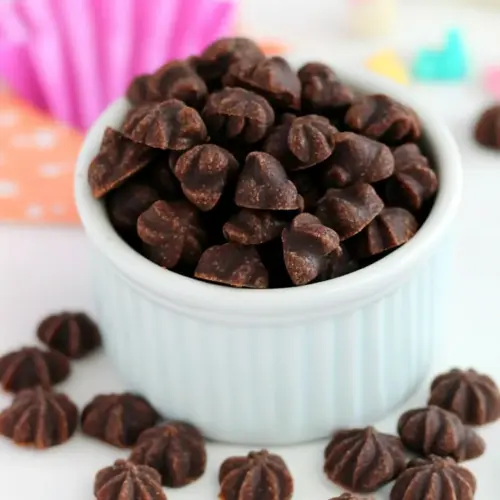
Chocolate Spritz Cookies
Chocolate Spritz Cookies deliver crisp edges and tender centers with a rich cocoa note and an easy press based method. These buttery, chocolatey cookies are perfect for easy weeknight baking or large holiday cookie trays, offering consistent results and charming shapes. Make them for gatherings when you want pretty cookies without fuss.
Equipment
- Cookie press
- Mixing Bowl
- Baking Sheet
- Mixer
Ingredients
- 1 1/2 cup s3 sticks unsalted butter, at room temperature Soften to room temperature and cream to provide structure and rich flavor; helps aerate the dough when beaten with sugar, contributing to a tender, melt-in-your-mouth texture in spritz cookies.
- 1 cups ugar Sweeten and help incorporate air when creamed with butter; balances flavors and promotes browning for a lightly golden exterior during baking.
- 1/2 teaspoons alt Season lightly to enhance and balance sweetness; strengthens gluten network subtly and intensifies overall flavor when evenly distributed in the dough.
- 1 tablespoon vanilla extract Flavor and aromatize the dough with warm, familiar notes; adds depth and rounds out the chocolate for a more complex, aromatic cookie.
- 2 large eggsat room temperature Bring moisture and richness while helping to bind the dough; contribute to tender crumb and slight lift, especially when at room temperature for better emulsification.
- 3 1/2 cups all-purpose flour Provide bulk and structure by forming the dough matrix; combine with fats and liquids to create the proper consistency and ensure cookies hold their piped shapes.
- 1/2 cup unsweetened cocoa powder Impart deep chocolate flavor and color while absorbing some fat and moisture; balance sweetness and add a slightly bitter note that complements the buttery cookie base.
Instructions
- Preheat the oven to 375 degrees.: You will notice a warm, oven scent as it approaches temperature, which helps predict bake time. Preheating ensures the cookies begin baking immediately, setting edges before excessive spread occurs. A common error is putting cookies into a cold oven, which leads to misshapen results and longer bake times, so wait until the oven reaches the full 375 degrees.
- In a large mixing bowl, cream together butter, sugar and salt. Beat until light and fluffy. Add vanilla and eggs one at a time, continuously beating.: The creaming stage should look pale and airy, almost ribbon like when you lift the beater, and you will hear a softer, whirring sound as air is incorporated. This step traps air in the butter so the cookies feel tender, and adding the vanilla extract and eggs gradually helps maintain an emulsion so the dough stays smooth. If the mixture looks curdled, it usually means the butter was too warm or the eggs were too cold; briefly chilling the bowl or bringing eggs to room temperature will fix it.
- Gradually add flour and cocoa powder, beating until well incorporated.: As you add the dry ingredients the batter will thicken and the cocoa will give it a deep chocolate tone and a faint cocoa aroma. Beating just until combined prevents overdeveloping the gluten in the all purpose flour , which keeps the cookies tender. If you overmix, the dough becomes tough and less cooperative in the cookie press, so stop as soon as streaks disappear and the texture is homogeneous.
- Place dough in Cookie Press with desired disk. Press dough out onto an ungreased baking sheet.: When you begin pressing you will feel steady resistance and hear a gentle click each time a cookie releases. The surface should be slightly glossy and the shapes distinct. Using an ungreased sheet allows the bottoms to set with a slight texture; if the dough sticks, try a light parchment barrier or gently tap the press to ensure clean releases. A common problem is overfilling the press, which causes tearing or uneven shapes, so fill the chamber only to recommended levels.
- Bake for 8 to 10 minutes or until the cookies are golden brown on the edges. Rotate baking sheet halfway through baking time.: While baking you will smell a warm chocolate scent intensifying, and you might see tiny cracks form around edges as moisture escapes. Rotate the baking sheet halfway through so color is even, and remove the cookies when the centers are set but still slightly soft, since they continue to firm as they cool. Leaving them too long causes hard, dry cookies, and underbaking will make them collapse when cooled, so aim for that sweet spot where edges are lightly bronzed.
- Rotate baking sheet halfway through baking time.: Rotating reduces hot spot effects in many ovens and promotes even browning, so you will end up with a consistent batch rather than mixed results. When you open the oven the steam and rich cocoa aroma will lift, confirming progress. A mistake to avoid is propping the door open too long, which drops oven temperature and extends bake time unpredictably; open quickly and confidently to rotate and close the door to maintain heat.
Notes
- Swap press disks: Try different disk shapes to create variety for cookies tins, alternating circles and stars for a festive mix.
- Adjust bake time: Bake on the lower end for softer centers, or a minute or two longer for crisp edges that travel well.
- Chill the press: If the dough grows too soft during long sessions, chilling the assembled press for a few minutes helps maintain sharp shapes.
- Sift dry ingredients: Sifting the all purpose flour and unsweetened cocoa powder prevents lumps and ensures a smooth, even color in the dough.
- Batch size planning: Make multiple disks and press directly onto trays in batches to keep the dough cool and consistent throughout a long baking day.