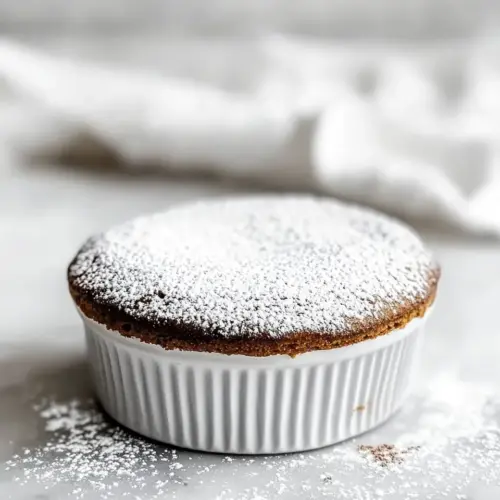
Chocolate Soufflé
Chocolate Soufflé is a decadent, airy dessert with a rich molten center and a light, lifted exterior. This recipe creates a silky, chocolate forward experience that is both elegant and approachable, perfect for an easy weeknight dessert or a special occasion finale. Make it for impressive, warm results that will have guests swooning.
Equipment
- Electric Mixer
- Ramekins or 2 quart souffle dish
- Heatproof Bowl
- Saucepan for double boiler
- Rubber spatula
Ingredients
- 1/2 cup (113 g) unsalted butter Softened and melted to enrich the soufflé, provides a silky base and adds richness and moisture while helping to bind the chocolate. Properly browning or clarifying enhances flavor and contributes to a glossy texture in the finished custard.
- 8 ounces (227 g) dark chocolate, finely chopped Finely chopped and melted into the butter to create a smooth chocolate base, supplies intense cocoa flavor and structure to the soufflé's custard. Melting carefully prevents seizing and ensures an even, velvety chocolate mixture that sets around the airy egg whites.
- 1 teaspoon vanilla extract Added for aromatic depth and to round out the chocolate flavor, contributes a warm, sweet note that enhances the overall taste profile. Stirred into the chocolate base, it lifts the dessert without overpowering the cocoa.
- Pinch salt Used sparingly to balance and enhance sweetness and chocolate intensity, helps brighten flavors and reduce cloying richness. A small pinch also strengthens the overall taste contrast, making the chocolate notes more pronounced.
- 5 egg yolks, room temperature Beaten into the chocolate mixture to thicken and enrich the custard, supplies fat and lecithin that stabilize texture and deepen flavor. Gentle incorporation preserves volume while contributing to the soufflé's tender, creamy interior.
- 1/3 cup (67 g) + 2 tablespoons granulated sugar, divided Divided between the custard and egg-white stage to sweeten and stabilize, provides controlled sweetness while helping to create glossy, stable meringue peaks. Adding sugar gradually ensures proper dissolution and contributes to the soufflé's lift and sheen.
- 8 egg whites, room temperature Whipped to stiff peaks to aerate the mixture, forms the essential light, airy structure that causes the soufflé to rise. Careful beating and gentle folding into the chocolate custard preserve volume for a lofty, delicate final result.
- 1/4 teaspoon cream of tartar Added to the egg whites to stabilize and strengthen the foam, helps produce firmer, longer-lasting peaks and prevents overbeating. Using cream of tartar yields a more durable meringue that supports the soufflé's height during baking.
Instructions
- Preheat oven to 375 degrees F and adjust the rack to the lower-middle position. Generously butter a 2-quart souffle dish (or eight 8-ounce ramekins), then sprinkle with granulated sugar, tapping and turning the bowl until the sugar has completely coated the butter. Place in the refrigerator until needed.: When you slide the dish into the oven, you want even heat distribution, which starts with a properly preheated oven and a well positioned rack. You'll smell warm sugar and butter notes as the kitchen temperature stabilizes, and seeing the rack settled in the lower-middle position helps the soufflé rise evenly without browning too quickly. This preparation also ensures the inner walls are greased and sugared, giving the batter something to cling to as it climbs. A frequent misstep is skipping the sugar coating, which can prevent a uniform lift and make the sides too slick, causing the soufflé to collapse unevenly.
- In a medium heatproof bowl, melt together the butter and dark chocolate (microwave on 50% power, stirring every 30 seconds OR place over a small saucepan of simmering water, stirring occasionally until melted). Off heat, whisk in the vanilla extract and salt; set aside.: As you melt the dark chocolate with the unsalted butter , watch for a glossy, velvety texture and a deep chocolate aroma that fills the air, signaling correct melting. Stirring frequently keeps the heat distributed, avoiding scorch marks and graininess. Off the heat, adding vanilla extract and a pinch of salt enhances the layers of flavor and balances any bitterness, creating a harmonious base. A common error is overheating the chocolate, which can cause it to seize into a lumpy mass; to avoid this, keep the heat gentle, and remove the bowl from direct heat as soon as the last bits melt with residual warmth.
- Using an electric mixer on medium speed, beat the egg yolks with 1/3 cup of the sugar until the mixture is thick and very pale yellow, 3 to 4 minutes. Use a rubber spatula to gently fold in the chocolate mixture; set aside.: Beating the egg yolks with part of the granulated sugar aerates and lightens the yolks so they can better incorporate with the warm chocolate, yielding a tender texture. You'll notice the color turn from deep golden to a pale, almost lemony hue and the mixture will hold slightly when you lift the whisk. Folding the chocolate in with a rubber spatula should be done gently to avoid deflating any air you've just added, and the aroma becomes richer and more chocolate forward as they unite. A slip many people make is vigorous stirring here, which knocks out volume and can result in a denser final soufflé.
- Using an electric mixer on medium-low speed, beat the egg whites and cream of tartar until frothy. Increase the speed to medium and beat until soft peaks form. Increase the speed to medium-high and gradually add the remaining 2 tablespoons of granulated sugar; continue to beat until stiff, glossy peaks form.: As you whip the egg whites with cream of tartar , listen for the change in sound from thin and watery to thicker and more sustained, and watch the color shift to bright white. Soft peaks will hold a gentle tip, then after adding the remaining granulated sugar gradually, you should reach stiff, glossy peaks that reflect light and stand tall. This meringue is the engine of the rise, so stability is crucial. A frequent mistake is dumping sugar all at once, which deflates the foam; take your time and add it slowly to preserve volume.
- Add one quarter of the egg whites to the chocolate mixture and vigorously stir it in to lighten up the mixture (the chocolate egg mixture will have thickened a bit). Add the remaining egg whites all at once and use a rubber spatula to gently fold them in until no white streaks remain.: Start by introducing a small portion of the meringue to the chocolate, which loosens the dense base and makes it easier to integrate the rest without heavy hand work. You'll notice the chocolate base lighten and the texture become more aerated, with a softer sheen. When folding in the remaining egg whites , use broad, gentle strokes, scraping the bottom and turning the bowl to meld without smashing the air pockets. Visual cues like the disappearance of streaks and an even, mousse like texture tell you the batter is ready. Avoid over mixing, as that flattens the incorporated air and diminishes the rise.
- Transfer the chocolate mixture to the prepared souffle dish and smooth the top into an even layer. Trace a circle with your finger in the batter about 1/2-inch from the edge of the pan (this will help give it a nice even rise). Place the souffle dish on a rimmed baking sheet and place in the oven. Bake until it has fully risen, the outside is set, and the center just barely jiggles when the pan is moved, 30 to 40 minutes (20 to 25 minutes for 8-ounce ramekins). Remove from the oven, dust with powdered sugar, and serve immediately.: Transferring the batter, you should feel its lightness and see a glossy, even surface. Tracing a circle near the edge creates a small air gap that encourages a uniform dome, and placing the dish on a rimmed baking sheet makes transferring in and out of the oven safer. While baking, the kitchen will fill with a roasted cacao scent and you will watch the soufflé swell, its edges setting into a delicate shell while the center remains slightly trembly. The correct doneness is a set outside with a center that still jiggles subtly, giving a molten interior. A common pitfall is opening the oven too early, which can cause collapse, so resist temptation until the minimum time has elapsed and visual cues are met.
Notes
- Reduce the butter: If you prefer a lighter finish, halve the unsalted butter to soften the ganache like center while keeping the chocolate intensity; expect a slightly less silky mouthfeel but a more airy interior.
- Swap chocolate type: Try milk chocolate or semisweet chocolate instead of dark chocolate for a sweeter, milder profile; that said, sweetness will increase so consider trimming the granulated sugar slightly if desired.
- Individual portions: Use eight 8 ounce ramekins to bake individual Chocolate Soufflé desserts for elegant plating and shorter bake times, which can be handy for dinner parties where timing matters.
- Make ahead prep: You can prepare the batter and refrigerate the filled dish or ramekins for up to one day, then bake straight from cold; this is great for pacing a dinner service, though the rise may be slightly reduced.
- Stabilize whites for travel: If you need to transport the batter, whip the egg whites to very firm peaks and fold gently, then cover and move quickly; reheating in the oven will still produce a respectable rise though it may settle a bit faster.