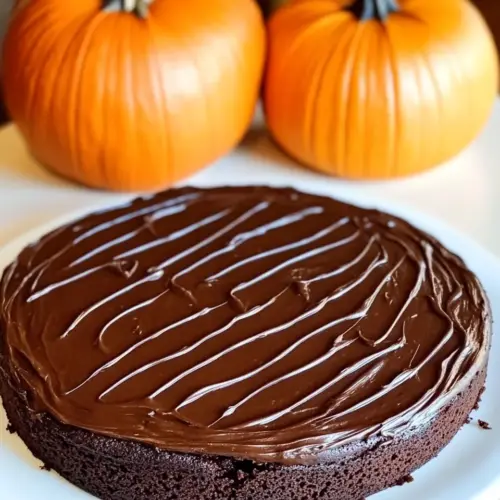
Chocolate Pumpkin Cake
Chocolate Pumpkin Cake is a moist, tender layer cake that blends rich cocoa with earthy pumpkin for a deeply satisfying fall dessert. It’s easy to pull together with pantry staples, offering a soft crumb and warm flavor notes. Ideal as an easy weeknight dessert or something special for seasonal gatherings, this cake rewards patience, tasting even better the next day.
Equipment
- 8 inch cake pans or 9x13 inch pan
- Parchment Paper
- Mixing Bowls
- Spatula
Ingredients
- 2 cups flour Provides the structural base and bulk for the cake, forming the gluten network that traps gases for rise; sieve to remove lumps for an even crumb.
- 1/2 cup unsweetened cocoa powder Lends deep chocolate flavor and contributes dry richness; sift together with the flour to ensure even distribution and avoid clumps.
- 1/4 cup Dutch cocoa powder or additional unsweetened cocoa Adds additional chocolate intensity or a milder cocoa note depending on choice; use Dutch for smoother, less acidic flavor or unsweetened for brighter cocoa presence.
- 1 tsp each: baking soda, salt, and optional cinnamon Leavens the batter and balances flavor while cinnamon (if used) adds warm spice; combine and whisk into dry mix to activate evenly when wet ingredients are added.
- 1 1/3 cup water Moistens the batter and helps dissolve sugar while allowing starches to hydrate; warm or room-temperature water integrates more smoothly with other liquids.
- 1 1/2 cups sugar (unrefined or xylitol if desired) Sweetens and tenderizes the cake while contributing moisture; choose unrefined sugar for depth or xylitol for lower glycemic impact, adjusting texture slightly if substituted.
- 2/3 cup pumpkin puree (sweet potato puree also works) Provides moisture, body, and subtle sweetness with pumpkin's natural fibers enhancing texture; sweet potato puree can be interchanged for a similar moisture and flavor profile.
- 1/2 cup almond butter or oil Adds fat for tenderness and contributes nutty or neutral fat depending on choice; almond butter yields richer flavor and structure while oil creates a lighter texture.
- 1 1/2 tbsp pure vanilla extract Imparts fragrant sweetness and rounds out flavors; stir into the wet ingredients to evenly distribute aromatic vanilla notes throughout the batter.
- 3/4 cup mini chocolate chips (optional) Offers pockets of melted chocolate for bursts of flavor and textural contrast; fold in gently at the end to prevent overmixing and uneven distribution.
Instructions
- Frosting ideas are included earlier in the post. The recipe works with spelt, white all purpose, or some brands of gluten free all purpose flour. There is also a flourless version included above. To make the chocolate pumpkin cake, line the bottom of two 8 inch pans (or one 9×13 inch pan) with parchment paper. Preheat oven to 350 F. Combine dry ingredients, and stir very well. Evenly stir in remaining ingredients. Pour into prepared pans. Sprinkle chips on top if desired. Bake on the center rack for 25 minutes. Let cool completely. Cover loosely with a towel overnight, either refrigerated or on the counter – it’s best not to eat the cake until the next day, because taste and texture are much better!: Warm, inviting aromas will greet you if you prepare a frosting, and thinking ahead about a complementary frosting lets you choose textures that echo the tender cake . When selecting a frosting, balance sweetness with structure, since an overly runny topping will make slices messy. A common mistake is applying frosting when the cake is still warm, which causes sliding and sogginess; always cool completely to achieve a stable finish.
- The recipe works with spelt, white all purpose, or some brands of gluten free all purpose flour: As you mix different flours you will notice batter thickness vary, which affects crumb. Spelt gives a nuttier note and a slightly denser crumb, while gluten free blends may need a touch more liquid; trust the batter appearance more than exact measurements. Avoid overmixing, because that develops gluten in wheat flours and can create a tougher texture.
- There is also a flourless version included above: Flourless cakes will feel different in the oven, often setting rapidly and producing a denser, fudgier internal texture. Watch for visual cues like a set edge and a slightly jiggly center to prevent overbaking. If you attempt a flourless iteration, check doneness earlier, because it can go from perfect to dry quickly.
- To make the chocolate pumpkin cake, line the bottom of two 8 inch pans or one 9×13 inch pan with parchment paper: When the pans are prepared they ensure a clean release and intact edges, and you will enjoy lifting whole layers without tearing. The parchment also prevents hot spots where the cake could brown unevenly. A frequent error is skipping parchment and only greasing, which can still stick; I always use both for insurance.
- Preheat oven to 350 F: The oven temperature sets the pace for rise and crust formation, producing that gentle lift and even bake. Preheating ensures the batter begins baking immediately, giving predictable oven spring and a consistent crumb. Do not place the cake in if the oven is still adjusting, as temperature swings can make the center sink.
- Combine dry ingredients, and stir very well: At this stage you will see uniform color and no streaks of cocoa or flour, which guarantees even distribution of leavening and flavors. Sifting or vigorous whisking removes lumps and aerates the mix, contributing to a lighter crumb. A common mistake is leaving pockets of baking soda or salt, which create pockets of off flavor or uneven rise.
- Evenly stir in remaining ingredients: As you fold in the wet ingredients you will notice the batter become glossy and cohesive; this is the moment to stop mixing and avoid developing gluten. The batter should be homogenous with a pourable yet substantial consistency. Overmixing at this stage is the top reason for a tight, dense crumb, so mix until combined.
- Pour into prepared pans: The batter should fill the pans evenly for uniform baking, giving you matching layer heights if using two pans. Smooth the tops with a spatula to remove air pockets and to ensure even baking. If you see large air bubbles, tap the pans gently on the counter once to settle the batter.
- Sprinkle chips on top if desired: The mini chocolate chips will melt into small pockets, introducing concentrated chocolate notes. Scatter them evenly to avoid clumping, and press lightly so they adhere to the surface. Avoid folding too many chips into very thin batter, because they can sink and create tunnels.
- Bake on the center rack for 25 minutes: During baking you will notice the aroma of cocoa intensify and the top will set with a slight spring when touched. The edges may pull away a touch from the pan, which is a good indicator of doneness. A toothpick inserted near the center should come out with a few moist crumbs, not wet batter; overbaking will yield a dry result, so start checking a few minutes early if your oven runs hot.
- Let cool completely: Cooling lets internal steam redistribute, preventing a gummy or collapsed center, and it firms the crumb for clean slicing. The cake will release more of its flavor as it cools, and the texture will become more cohesive. Rushing to cut while warm is a frequent mistake, resulting in a crumbly, messy presentation.
- Cover loosely with a towel overnight either refrigerated or on the counter: This resting period allows the flavors to marry and the crumb to relax, producing a more integrated taste and improved mouthfeel. I prefer loose cover so the cake does not sweat while still protecting it from drying out. Do not wrap tightly while warm, because trapped steam can create sogginess.
- It is best not to eat the cake until the next day because taste and texture are much better: Waiting yields a more harmonious flavor and a moister texture as the pumpkin continues to infuse the crumb. The difference is noticeable, with spice and chocolate notes settling into a softer profile. If you must serve the same day, chill briefly to help set the structure, but the ideal experience is patience.
Notes
- Swap the flour Use spelt or a tested gluten free blend if you need a different flour. Keep an eye on batter thickness, adding a splash of water if it seems too stiff, and avoid overmixing to preserve tenderness.
- Choose your fat Opt for almond butter for a richer, nuttier profile, or a neutral oil for a lighter crumb. When using nut butter, stir gently to incorporate and expect a slightly denser texture.
- Adjust sweetness Use unrefined sugar for deeper flavor, or try xylitol for a lower glycemic option, keeping in mind xylitol has different browning properties and may affect crust color.
- Mix in extras Toss in mini chocolate chips or leave them off for a cleaner crumb. If adding chips, distribute them across the surface to prevent sinking during baking.
- Frosting choices Pair with a thin chocolate glaze for shine or a lightly sweetened whipped topping for airiness. Apply frosting only after the cake is fully cooled to prevent sliding or melting.
- Make it ahead The cake improves overnight, so bake a day before serving and store loosely covered. This approach deepens flavor and makes entertaining easier.