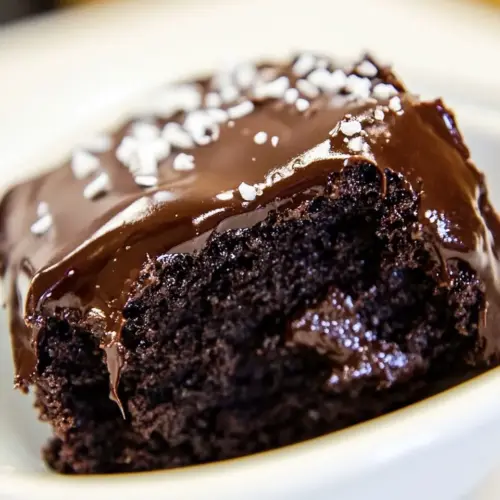
Chocolate Mug Cake
Chocolate Mug Cake is an easy, single serving dessert that is rich, tender, and ready in minutes. With a deep cocoa flavor, moist crumb, and flexible ingredient swaps, it is perfect for quick treats or late night cravings. The small format minimizes waste and maximizes comfort, making it an ideal easy weeknight dessert to satisfy chocolate cravings without a long bake time.
Equipment
- Mug or ramekin
- Spoon
Ingredients
- 1 tbsp cocoa powder Provide deep chocolate flavor and natural bitterness that balances sweetness; helps create a rich, cocoa-forward base for the mug cake and intensifies the overall chocolate profile when combined with wet ingredients.
- 2 tsp Dutch cocoa powder or additional regular Contribute an additional layer of intense chocolate complexity and deepen color; using Dutch-processed cocoa yields smoother, less acidic flavor while regular cocoa increases brightness and bite.
- 3 tbsp flour spelt, white, oat, or all purpose gluten free (or try this Keto Mug Cake Recipe) Supply structure and bulk to the batter while determining crumb and texture; choosing spelt, white, oat, or all-purpose gluten-free flours alters chewiness and tenderness, and amounts remain interchangeable in small mug-cake batches.
- 1/8 tsp salt Enhance the overall flavor by counteracting sweetness and amplifying other taste components; small amounts also help balance the palate without affecting leavening.
- 2 tbsp sweetener of choice Sweeten the batter to taste and aid in tenderness and moisture retention; selecting different sweeteners (sugar, sugar alternatives) will modify sweetness intensity and caloric profile.
- 1/4 tsp baking powder Leaven the cake by producing gas during heating which creates lift and lightness; the small powder amount prevents excessive rise and ensures an even, tender crumb in the quick-cook mug format.
- 2 1/2 tsp oil or nut butter (While I much prefer the version with fat, many commenters say they love substituting applesauce or mashed banana here) Provide fat for moistness, richness, and improved mouthfeel while helping emulsify batter; swapping with applesauce or mashed banana reduces fat but adds moisture and subtle flavor changes.
- 3 tbsp milk of choice Add liquid to hydrate dry ingredients, dissolve sweetener, and create a pourable batter; milk choice affects creaminess and can subtly change flavor and nutritional content.
- 1/2 tsp pure vanilla extract Impart aromatic depth and a rounded flavor profile, enhancing perceived sweetness and complexity; a small amount of pure vanilla elevates the chocolate notes without overpowering them.
Instructions
- How to make a chocolate mug cake recipe: Combine dry ingredients and mix very, very well. Add liquid, stir, then transfer to a little dish, ramekin, or even a coffee mug. Either microwave 30-60 seconds (time will depend on your microwave's wattage) OR cook in a preheated 350 F oven for about 14 minutes. If you don’t want to eat it straight out of the dish, be sure to spray your dish first and then wait for the mug cake to cool before trying to remove it. Frosting ideas are listed above in the post! View Nutrition Facts: The mixture should smell faintly of cocoa and look evenly colored after you combine the dry ingredients, which helps avoid pockets of baking powder that can cause uneven rise, and clumps of cocoa that make bitter spots. As you whisk, notice a fine, slightly dusty aroma from the cocoa and flour blending together, and the texture should feel light and powdery on the fork. This stage matters because even distribution of leavening and cocoa ensures an even crumb and consistent lift, preventing dense areas. A common mistake here is rushing the mixing, which leaves clumps, so take a moment to scrape the bowl and stir thoroughly until homogenous.
- Combine dry ingredients and mix very, very well: When you begin adding the liquids, the batter will transition from dusty to glossy, and you will see it come together into a thick ribbon. Pay attention to the sound of the spoon as it moves through the batter, which becomes smoother and slightly sticky when properly hydrated. This technique matters because thorough hydration activates the baking powder evenly, producing a uniform rise and tender interior. Avoid overmixing, which can develop gluten and lead to a chewier result, and do not leave dry streaks of flour or cocoa that will create textural contrast in the finished cake.
- Add liquid, stir, then transfer to a little dish, ramekin, or even a coffee mug: As you add milk , oil , and vanilla , smell the aroma deepen into a creamier chocolate scent, and watch the batter smooth out. Transfer the batter into a lightly greased small dish or mug; you should see a glossy top that holds a spoon impression briefly. This matters for even cooking because the vessel controls how heat penetrates the batter. A frequent error is using a mug that is too deep, which can undercook the center, or forgetting to grease a dish if you plan to remove the cake, leading to sticking. If you plan to eat from the mug, greasing is optional but helps with clean removal.
- Either microwave 30-60 seconds (time will depend on your microwave's wattage): In a microwave you will hear the batter bubble softly as it cooks, and the top will lose its raw shine and spring back slightly when touched. Microwaving is fast and efficient, but timing varies a lot by wattage, so start with 30 seconds and add increments of 10 seconds if needed. This technique yields a moist, slightly steamed crumb, which is ideal for mug cakes. The main pitfall is overcooking, which turns the cake rubbery, so err on the side of slightly underdone because it continues to set as it cools.
- OR cook in a preheated 350 F oven for about 14 minutes: When using an oven, the outer edges will set first and begin to pull away slightly from the dish, and you may see a faint rise to a domed top. The aroma will deepen into a warm, baked chocolate scent that fills the kitchen. Oven baking produces a slightly more uniform crumb with a delicate crust, which many people prefer for texture contrast. To avoid a dry cake, check for a gentle spring when pressed and remove when a toothpick has a few moist crumbs, rather than being completely dry, as overbaking is the most common oven error here.
- If you don’t want to eat it straight out of the dish, be sure to spray your dish first and then wait for the mug cake to cool before trying to remove it: Cooling allows the internal steam to redistribute and the crumb to set, which makes removal from the dish much cleaner, and you will notice a calmer, less steamy aroma as it cools. Spraying the dish ensures the cake releases easily and keeps the edges intact, which matters if you plan to plate it. A typical mistake is trying to invert it while still too warm, causing it to break apart, so give it a few minutes to settle before attempting removal.
- Frosting ideas are listed above in the post: While the cake is simple on its own, adding a spoonful of a glossy topping elevates both flavor and texture, introducing contrasts such as creamy and cold versus warm and cakey. When you add a topping, observe the contrast in temperature and texture, and let the frosting sit briefly so it softens slightly on contact. A common misstep is piling on too heavy a sauce that overwhelms the delicate cake, so apply toppings sparingly to maintain balance.
Notes
- Timing matters — Microwaves vary, so start with shorter bursts and increase in ten second increments; it is better to slightly undercook than overcook because residual heat finishes the set.
- Choose your flour wisely — Lighter flours like all purpose produce a finer crumb, while oat or spelt adds a rustic chew; adjust liquids by a teaspoon if using denser flours.
- Fat choices affect mouthfeel — Oil yields silkiness, nut butter gives richness and flavor, and fruit purées reduce fat but may tighten the crumb, so pick based on the texture you prefer.
- Sweetener swaps — Granulated sugar gives classic structure, granular natural sweeteners may alter moisture, so tweak by small amounts and taste the batter for preferred sweetness.
- Serving temperature — Enjoy warm for gooey comfort, or cool slightly for a more cake like bite; both are intentional and delicious depending on mood.
- Presentation trick — A small dusting of cocoa or a tiny spoonful of a glossy topping adds visual polish and a flavor lift with minimal effort.