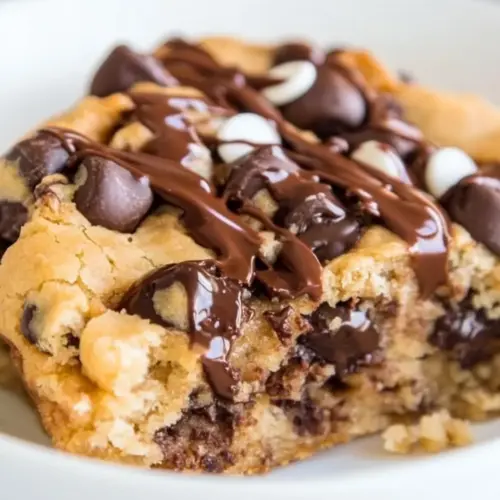
Chocolate Chip Skillet Cookie
Chocolate Chip Skillet Cookie offers a warm, gooey center with crisp edges, creamy butter notes, and molten pockets of chocolate. This easy, speedy dessert is perfect for impromptu gatherings and makes a dramatic centerpiece when served straight from the skillet, ideal for easy weeknight dessert or casual entertaining.
Equipment
- 10-inch Skillet
- Mixing Bowl
- Spatula
- Oven
Ingredients
- one 17.5-ounce pouch Betty Crocker™ Chocolate Chip Cookie Mix Provide structure and convenience by using a pre-mixed cookie mix pouch formulated specifically for chocolate chip cookies; it contains flour, sugar, leavening, and flavoring to ensure consistent texture and taste. Follow the package instructions for measurements and any mix-ins, as the mix determines baking time and moisture balance in the skillet cookie. Using the specified 17.5-ounce size yields the correct dough volume for an even, single-skillet bake and helps achieve a golden edge with a soft center.
- 1/2 cup unsalted butter, softened (as called for on cookie mix pouch) Cream butter until smooth and pliable to incorporate fat and moisture that melts during baking, producing tender, rich cookies with a slightly crisp edge. Softened unsalted butter lets you control the salt level in the cookie and blends evenly into the pouch mix for uniform texture. Measure a half cup precisely to maintain the balance of fat to dry ingredients as intended by the mix directions.
- 1 large egg, as called for on cookie mix pouch Add an egg to bind the dough, provide moisture, and contribute to the cookie’s rise and chewiness when heated in a skillet. Using one large egg supplies the right amount of protein and water to set the structure while helping achieve a cohesive dough that spreads predictably. Beat lightly before combining if the mix instructions recommend it to ensure even incorporation.
- 1/3 cups semi-sweet chocolate chips, for sprinkling Scatter semi-sweet chocolate chips over the dough to provide pockets of melted chocolate and bursts of sweetness in each bite; choose the amount called for to balance chocolate intensity. Semi-sweet chips add a pleasant contrast to the dough without overpowering it, and sprinkling them on top encourages an appealing melted-top appearance. Use chip size consistent with the mix’s recommended distribution for even melting and texture.
- hot fudge, for drizzling (homemade) Drizzle hot fudge over the finished skillet cookie to add a glossy, decadent layer of rich chocolate and additional moisture that elevates the dessert’s flavor profile. Homemade hot fudge contributes depth from cooked sugar and cocoa, allowing control over sweetness and thickness for optimal drizzling. Warm slightly before serving so it pours smoothly and melds with the warm cookie for an indulgent presentation.
- ice cream for serving, optional Serve with ice cream to introduce a cold, creamy contrast that balances the warm, gooey skillet cookie and intensifies the dessert’s richness; include it as optional to accommodate preferences. Choose a flavor that complements chocolate, such as vanilla, to highlight the cookie’s flavors while adding texture and temperature contrast. Scoop onto individual portions just before serving so the ice cream softens slightly against the warm cookie.
Instructions
- Preheat oven to 350 F and spray a 10-inch overproof skillet with cooking spray; set aside.: As you begin, breathe in the faint, clean scent of a properly preheated oven warming the room, it primes the pan so the edges set quickly and develop that coveted crisp ring. Using a well seasoned or ovenproof skillet helps transfer heat evenly, ensuring the bottom browns without burning. A common error is placing a cold pan in a hot oven, which can cause uneven baking, so make sure your skillet is ready and the oven is fully up to 350 F before you start; if the oven underperforms, your edges may stay pale while the center cooks through.
- To a medium bowl, add the cookie mix, butter, egg, and stir until a soft dough forms.: You will notice the dough change from powdery to lumpy then smooth, with a soft, tacky texture that holds shape when pressed. The aroma becomes buttery and faintly sweet as the butter and egg bind the mix. Mixing thoroughly ensures even hydration so no dry pockets remain, which affects both texture and flavor. If you overmix, the dough can become dense, so stop as soon as it is homogeneous. If the mixture seems too dry, a small splash of milk helps, but follow the pouch directions closely to avoid a runny batter.
- Spread dough evenly in skillet, smoothing with a spatula or pressing with fingertips to flatten and cover bottom.: As you work the dough into the skillet , feel for an even thickness across the pan, fingertip dimples will smooth out as the surface becomes taut and glossy. Even spreading guarantees consistent baking, so that edges crisp at the same rate as the center softens. A common mistake is leaving the center thicker than the edges, which leads to an underbaked middle; use a spatula to level and check visually for uniform coverage.
- Evenly sprinkle with the chocolate chips, pressing them down lightly with your fingertips.: When you scatter the chocolate chips , watch them sink slightly as you press, creating molten pockets during baking that glisten once warmed. This pressing helps the chips adhere so they do not simply bake on top and fall off when you slice. Uneven distribution can leave bites without chocolate, so take a moment to space them evenly; if you add too many at once, the cookie surface may not brown evenly, so balance quantity for melt and structure.
- Bake about 20 to 23 minutes or until edges are light golden brown. Do not overbake; cookie will continue to cook once out of oven due to carryover cooking and is meant to be gooey. If you prefer more well-done cookies, bake a few minutes longer.: The oven will sing a low hum, and you should see the edges transform to a warm, light golden color while the center remains slightly glossy and jiggly. This visual cue is key because the residual heat will finish the center as it rests, preserving gooeyness. A common pitfall is leaving it in too long which results in a uniformly firm cookie; if you like more structure, add small increments of time and watch closely to avoid dryness.
- Place skillet on top of a cooling rack and allow to cool for about 5 minutes before drizzling with hot fudge and optionally serving with ice cream. Cookie is best warm and fresh but will keep airtight for up to 4 days. I wrap leftovers in plastic wrap in individually-portioned pieces and heat for 5 to 10 seconds in the microwave before serving for that just-baked taste.: As the skillet rests, the smell deepens into a caramelized sweetness and the edges set while the center relaxes into a luscious, spoonable texture; this waiting period is your reward. Drizzling warm hot fudge will create a glossy top that melds into the cookie's surface, and adding a scoop of cold ice cream creates an irresistible warm cold contrast. Avoid slicing immediately from a piping hot skillet, as the center may collapse and be overly runny; waiting the suggested minutes preserves structure while keeping the interior soft.
- Adapted from Betty Crocker: The recipe's roots explain its reliability and consistent behavior across kitchens, which is why I trust the mix for dependable results. This source also means measurements and techniques are optimized for home cooks, offering a helpful safety net if you are new to skillet desserts. If you deviate from the pouch instructions, you might alter texture or bake time, so treat adaptations as experiments and note outcomes for future tweaks.
Notes
- Use softened butter: Softened butter blends quickly into the mix for even texture, helping the dough come together without overworking.
- Space the chips: Pressing the chocolate chips evenly across the surface ensures each serving has melty pockets of chocolate.
- Control gooeyness: Pull the skillet when the edges are light golden and the center is slightly jiggly to preserve a soft, molten middle.
- Warm the hot fudge: Slightly dilute thick hot fudge with a few seconds in the microwave so it drizzles smoothly over the cookie.
- Serve with cold contrast: A scoop of cold ice cream beside warm cookie creates a pleasing temperature and texture interplay.
- Leftover reheating: Reheat individual portions for 5 to 10 seconds in the microwave to recapture the just baked feel without drying the cookie out.