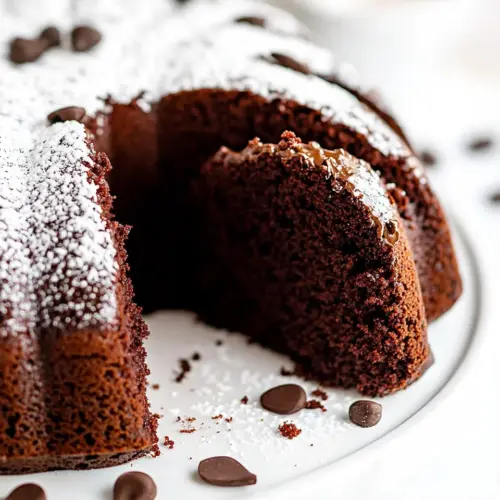
Chocolate Beet Cake
Chocolate Beet Cake is a moist, chocolatey dessert with an earthy undertone from roasted beets. This easy, textured cake blends melted unsweetened chocolate, beet puree, and a tangy cream cheese glaze for a balanced finish, perfect for celebrations or an easy weeknight dessert. It stays tender for days and offers a clever way to add vegetable moisture without losing rich flavor, so give it a try for a pleasing twist on classic chocolate cake.
Equipment
- Bundt Pan
- Roasting Pan
- Blender or food processor
- Wire Rack
- Mixing Bowls
Ingredients
- 3 medium beets, stems and tails removed Roasted and pureed to add natural sweetness, moisture, and earthy color to the cake batter; helps keep the crumb tender while contributing subtle vegetable flavor that complements chocolate. Can be steamed, boiled, or roasted before pureeing to achieve a smooth consistency that blends easily into the batter. Works as a partial fat and moisture replacement when processed finely and measured carefully. Provides added nutrients and moisture retention during baking, improving shelf life.
- 1 1/2 cups unbleached all-purpose flour Sifted and combined with other flours to provide structure and gluten for the cake; yields a tender crumb while supporting leavening agents. Offers a reliable balance between strength and tenderness when mixed with whole-wheat pastry flour. Contributes to proper batter viscosity so the cake rises uniformly. Best measured accurately and spooned into the cup to avoid overpacking.
- 1/2 cup whole-wheat pastry flour Lightly nutty flour used to increase fiber and add a subtle wholesome flavor without overpowering the cake's tenderness. Keeps the texture softer than regular whole wheat due to its fine milling and lower protein content. Helps absorb some moisture from wet ingredients while contributing to a slightly denser, more complex crumb. Should be combined with all-purpose flour to maintain lift and softness.
- 2 teaspoons baking soda Activated with acidic ingredients to produce carbon dioxide bubbles that leaven the batter, creating a light, airy texture in the finished cake. Should be measured precisely and evenly distributed in the dry ingredients to ensure consistent rising. Reacts immediately once wet ingredients are combined, so batter should be baked promptly. Works best with acidic components like yogurt or beets in this recipe.
- 1/4 teaspoon kosher salt Enhances overall flavor balance by tightening sweetness and highlighting chocolate notes; also strengthens gluten slightly when mixed with dry ingredients. Compact measure helps control the cake's taste profile and aids in proper development of crumb structure. Dissolves easily among dry ingredients to ensure even seasoning throughout the batter. Use kosher salt for a clean, bright finish.
- 4 ounces unsweetened chocolate Melted and incorporated to provide deep cocoa richness, intense chocolate flavor, and a moist dense texture to the cake. Adds a pronounced chocolate backbone that pairs well with the earthy beet puree and sweeteners. Should be melted gently and cooled slightly before adding to avoid cooking eggs in the batter. Contributes to the cake's color and fudgy mouthfeel.
- 1/2 cup canola oil divided Divided between the batter and potentially the pan or frosting to provide fat for tenderness, moisture, and improved mouthfeel; contributes to a soft crumb and helps carry flavor. Using half at different steps can control greasiness and structure while ensuring proper emulsion with eggs. Neutral-flavored canola oil keeps chocolate and beet flavors prominent without adding competing tastes. Measured and divided as specified to maintain recipe balance.
- 3 large eggs Beaten in to help emulsify fats, incorporate air, and provide structure and richness to the cake; contributes to the cake's lift and binding. Room-temperature eggs blend more smoothly with oil and melted chocolate for a uniform batter. Egg proteins coagulate during baking, setting the crumb and supporting the cake's shape. Use large eggs for consistent volume and texture.
- 1 3/4 cups granulated sugar Dissolved into wet ingredients to provide bulk sweetness, flavor, and moisture; helps tenderize the crumb when creamed with eggs and oil. Granulated sugar also contributes to caramelization and color during baking, deepening flavor. Properly measured, it balances the earthy beets and bitter chocolate. Incorporation method affects aeration and final texture.
- 1/2 cup plain non-fat Greek yogurt Added to contribute tanginess, moisture, and tenderizing acidity while enhancing the cake's crumb and flavor complexity. Greek yogurt helps activate baking soda and yields a moist, slightly dense texture that complements the beet puree and chocolate. Provides a protein boost and stabilizes the batter. Use plain non-fat to avoid adding extra sweetness or fat.
- 1 tablespoon vanilla extract Used to infuse aromatic vanilla flavor and enhance other ingredients' natural flavors throughout the cake and frosting components. A small amount balances sweetness and accentuates chocolate notes without overpowering the recipe. Add to wet ingredients for even distribution. Pure extract yields the best, most consistent flavor.
- 3 ounces reduced fat cream cheese (Neufchatel) softened Softened and whipped into a smooth frosting for a tangy, creamy contrast to the rich chocolate cake; provides spreadable body and subtle dairy richness. Reduced-fat Neufchatel yields a lighter frosting while still offering cream cheese character that pairs well with beet and chocolate flavors. Should be softened to room temperature to avoid lumps when mixing. Balances sweetness and adds a pleasant textural element.
- 3 tablespoons powdered sugar sifted, plus extra if needed Sifted into the cream cheese to sweeten and stabilize the frosting while ensuring a silky smooth texture free of lumps. Powdered sugar dissolves readily and controls sweetness level while providing structure for spreading or piping. Sifting prevents graininess and helps incorporate air for lighter frosting. Additional amounts can be added sparingly for desired thickness and sweetness.
- 2 tablespoons milk plus extra if needed Whisked into the frosting to adjust consistency, loosen texture if too stiff, and achieve a spreadable or pipeable finish. Small amounts of milk help create the ideal frosting viscosity without thinning the flavor. Use additional milk sparingly to reach desired smoothness and mouthfeel. Warm or cold milk can slightly change frosting firmness.
- 1/4 teaspoon vanilla extract Added to the frosting to provide a concentrated vanilla aroma and enhance the cream cheese sweetness, rounding out the overall flavor profile. A small amount intensifies other flavors without adding moisture. Use pure vanilla extract for the cleanest, most natural flavor boost. Can be adjusted slightly to taste while maintaining frosting balance.
Instructions
- Preheat the oven to 400 degrees F.: When you slide the rack in, the oven should already be hot so the beets begin to roast immediately, producing a sweet steam and a caramelized aroma. You may hear gentle bubbling from the roasting pan as water steams, and you should see a fragrant, slightly toasty scent fill the kitchen. Doing this sets a precise starting point for the roast time, which ensures even tenderness. A common mistake is preheating too late, which can lead to undercooked beets and a watery puree. If your oven runs cool, allow an extra five to ten minutes for roasting at the same temperature to reach the right doneness.
- Wash beets and place in a small roasting pan with 1/2 cup water. Cover and bake for 45 minutes to 1 hour, or until easily pierced with a fork. Dunk the beets in cool water, then using your fingers, slip off the peels. Coarsely chop, then transfer to a blender or food processor and puree. Measure out 2 cups and set aside.: As the beets roast, you will notice an earthy steam and a subtle sweet smell developing, signaling caramelization. The skins should separate easily when cooled briefly; if they cling, they likely need more oven time. After pureeing, the texture should be velvety and smooth without large fibrous pieces. The puree should be slightly glossy, not grainy. The reason we measure exactly 2 cups is to maintain batter hydration and texture. If your puree seems watery, drain briefly to avoid thinning the batter too much. A frequent pitfall is skipping the cooling step which makes peeling messy and may lead to lost juices; let them cool just enough to handle.
- Reduce the oven temperature to 375 degrees F. Lightly coat a 10-cup Bundt or tube pan with oil and dust with flour. In a large bowl, sift together the all-purpose flour, whole-wheat pastry flour, baking soda, and salt. Set aside.: Lowering the temperature prevents the cake from overbrowning while ensuring even internal baking. When you oil and flour the pan, the surface should look barely glossy with a light dusting of flour to prevent sticking and encourage an easy release. Sifting the flours and leavening distributes the baking soda evenly so the cake rises uniformly; you should see a pale, airy mixture after sifting. One mistake is skipping the flour dusting on the pan which can make unmolding the Bundt tricky, tearing the cake surface. Keep the prepared dry mix close at hand to add to the wet ingredients without delay.
- In a double boiler or a small pan over low heat, add the chocolate and 1/4 cup of the oil. Heat just until the chocolate melts. Remove from the heat and stir until well combined. Set aside.: Gently melting the unsweetened chocolate with oil creates a glossy, pourable chocolate mixture with a deep scent of cocoa. You should stir until you see a smooth shine and no lumps, and the mixture should coat the back of a spoon. Heating too quickly can cause the chocolate to seize and become grainy. Using a double boiler or a very low heat keeps the chocolate temperate and silky. If it thickens as it cools, stir in a teaspoon more oil to loosen it. Avoid letting steam or water touch the chocolate which can cause it to become clumpy.
- In a large mixing bowl, beat together the eggs and sugar until fluffy. Slowly add the remaining 1/4 cup oil, Greek yogurt, vanilla extract, the chocolate mixture, and the 2 cups beet puree.: As you beat the eggs and sugar , the mixture will lighten and become pale and billowy, which helps incorporate air for lift. Adding the oil and Greek yogurt slowly maintains the emulsion, so the batter stays cohesive and not separated. When you fold in the warm chocolate and the glossy beet puree, the batter will turn a rich, deep color and smell of cocoa with an earthy undertone. If you add the liquids too quickly, the mixture can break or become grainy, so pour slowly and mix gently. Watch the texture; it should be smooth and unified, not curdled. If it seems separated, a few more gentle beats will usually bring it back together.
- Gently add the flour mixture, stirring by hand just until combined.: At this step you will feel the batter thicken and become more cake like, with a weightier but still soft texture. Use a rubber spatula and fold with slow, deliberate turns to avoid knocking out air. The right consistency is a ribbon that falls slowly from the spatula, and you should still see a glossy sheen from the chocolate and beet puree. Overmixing develops gluten and yields a denser result, so stop as soon as streaks of flour disappear. A common misstep is vigorous mixing, which creates a tougher crumb, so embrace a light touch here.
- Pour the batter into the prepared pan.: As you pour, the batter should move slowly and settle evenly into the pan, filling grooves and creating a smooth surface. Tap the pan gently on the counter to release large air pockets; you may hear a soft thud. The batter will look thick but spreadable, and it should not be runny. If bubbles rise to the top, gently pop them with a toothpick to prevent tunnels. A mistake is overfilling the pan; leave a bit of headspace so the cake can rise without spilling over.
- Bake for 45 minutes, or until a toothpick inserted near the center comes out clean. Transfer the pan to a wire rack to cool for 30 minutes. Run a thin knife along the outer and inner edges of the pan and carefully invert the cake onto the wire rack. Let it cool completely before glazing.: During baking the kitchen fills with a toasty chocolate aroma and the cake surface will set with a slight spring when touched. The edges may pull away slightly from the pan, which is a good sign. After the initial cooling, running a knife around the pan ensures the cake releases cleanly. The cake should be fully cool before glazing so the glaze does not melt into puddles; patience pays off here. A common error is unmolding too soon, which can cause the cake to break, so allow the thirty minute rest before inverting, and then wait until completely cool before adding the glaze.
- For the glaze: Beat together the cream cheese and powdered sugar until smooth and light. Beat in the milk and vanilla extract. If desired, add a bit more milk or powdered sugar as needed to reach your desired glaze consistency. Drizzle over the cake, letting it run over the top and sides.: Beat together the cream cheese and powdered sugar until smooth and light. Beat in the milk and vanilla extract. If desired, add a bit more milk or powdered sugar as needed to reach your desired glaze consistency. Drizzle over the cake, letting it run over the top and sides. : The glaze should be silky, slightly tangy, and glossy, with a fragrance of vanilla that complements the deep chocolate . As you beat the softened cream cheese and sifted powdered sugar, the mixture becomes airy and smooth, then the milk loosens it into a pourable glaze. Start with the smaller amount of milk and add sparingly so you maintain control of the drip. When drizzling, use a spoon or small spatula to guide the glaze for pretty, natural runs down the sides. If the glaze is too thin, add a little more powdered sugar; if too thick, add milk a drop at a time. One mistake is glazing a warm cake which causes the glaze to melt and become runny, so ensure the cake is completely cool before decorating.
Notes
- Halve for a smaller cake: If you need fewer servings, halve the recipe and use a 5 cup Bundt pan, baking for about 30 minutes. Keep an eye on the center with a toothpick and tent with foil if the top browns too quickly.
- Adjust sweetness to taste: Reduce the granulated sugar slightly for a less sweet cake, or increase it if you prefer a dessert that leans sweeter. Be mindful that sugar affects moisture and browning, so change gradually.
- Swap oils carefully: You can use a neutral oil like vegetable or light olive oil if you do not have canola; avoid strongly flavored oils which will compete with the chocolate.
- Make the glaze thicker or thinner: Add more powdered sugar to thicken, or a teaspoon of milk at a time to thin, until you reach your preferred drip consistency for decoration.
- Serve warm or room temperature: For a softer, almost molten texture, serve the cake slightly warm, but for cleaner slices and prettier glaze presentation, serve at room temperature after the cake has cooled fully.
- Freeze for later: Wrap tightly and freeze the whole cake or slices for up to three months, then thaw overnight in the refrigerator before bringing to room temperature to serve.