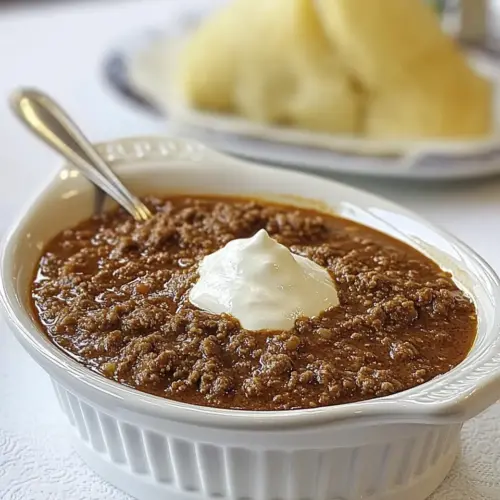
Chilis Original Chili Recipe
Chilis Original Chili Recipe is a bold, savory bowl of comfort, featuring rich ground chuck, a warming spice blend, and a silky finish from masa harina. This easy weeknight dinner delivers deep, smoky aromas and a hearty texture that invites seconds, making it perfect for family meals or casual gatherings. Try it for a satisfying, crowd pleasing meal.
Equipment
- 6 quart stock pot
- Skillet
- Mixing Bowls
- Wooden Spoon
Ingredients
- 1/2 cup chili powder Provide a warm, smoky backbone and add depth to the chili with a rich blend of ground chilies and spices, balancing heat and flavor throughout the dish. Enhance color and body while marrying other seasonings for a cohesive, robust chili profile.
- 1/8 cup salt you can use less if desired Season sparingly to control overall salinity; contribute essential mineral taste and help accentuate other spices while preserving the meat's natural flavors. Dissolve into liquids easily to distribute seasoning evenly across the chili.
- 1/8 cup ground cumin Deliver earthy, slightly bitter warmth that complements chili powder and enhances the savory character of the meat; act as a bridge between spicy and aromatic notes. Blend smoothly into sauces, helping to round out the overall spice profile.
- 1 tablespoon paprika Impart a mild sweetness and subtle smoky flavor that enhances color and provides a pleasant counterpoint to the heat from other spices. Aid in layering flavors so the chili tastes rounded rather than one-dimensional.
- 1 teaspoon ground black pepper Add a sharp, slightly floral heat that brightens the overall spice mix and lifts other seasonings without overpowering them. Provide aromatic complexity and a subtle astringent finish that cuts through the richness of the meat.
- 1 teaspoon garlic powder Offer a concentrated savory garlic note that reinforces umami and complements fresh aromatics, deepening the overall flavor of the chili. Integrate evenly into dry rubs and liquids to ensure consistent garlic presence.
- 1 teaspoon cayenne pepper add more if desired Contribute focused, spicy heat and a warm, fruity pepper character that can be adjusted to taste for desired spiciness. Intensify the chili's warming quality and enhance other red pepper–based flavors.
- 4 pounds ground chuck – ground for chili Provide hearty protein and rich beefy flavor that form the core texture and substance of the chili; supply fat that carries spice and adds mouthfeel. Break down during cooking to yield satisfying crumbles that absorb sauces and seasonings.
- 3 1/4 cups water Add volume and act as the primary liquid for simmering, allowing flavors to meld while controlling the chili's final consistency. Help deglaze the pot and extract savory browned bits from the meat for added depth.
- 16 ounces tomato sauce Contribute tomato solidity and tangy umami, creating a saucy body and balancing richness from the meat and spices. Thicken during simmering to help bind ingredients and provide a familiar tomato-forward chili base.
- 1 1/2 cups chopped yellow onions Supply aromatic sweetness and slight pungency that enhance the savory base and add textural contrast when softened during cooking. Caramelize slightly to introduce natural sugars that balance acidity and heat.
- 1 tablespoon cooking oil Facilitate even browning of the meat and soften aromatics by providing fat for sautéing, helping to develop flavor through the Maillard reaction. Carry fat-soluble spices and create a glossy finish in the finished chili.
- 1 cup water Serve as an additional liquid to adjust sauce thickness and ensure sufficient simmering volume for flavor development. Allow controlled dilution so the chili can cook down to the desired consistency without becoming dry.
- 1 tablespoon masa harina Act as a thickening and binding agent that blends with simmering liquids to give the chili body and a subtly corn-forward flavor. Help absorb excess moisture, yielding a smoother, slightly thickened sauce that coats meat and vegetables.
Instructions
- In a small bowl combine the chili spice ingredients, mix thoroughly. Heat: The aroma that rises as you assemble the spice blend is instantly intoxicating, a warm peppery cloud that signals the tone of the dish. Mixing dry chili powder , ground cumin , paprika , ground black pepper , garlic powder , and cayenne pepper releases subtle scent notes that become more pronounced when they hit liquid. Sensory cues to watch for include a dusty, earthy perfume and a bright pepper edge. The reason for combining them first is to ensure even distribution so each bite has balanced heat and complexity. A common mistake is adding spices directly to the pot without mixing, which can create hot pockets of flavor. If your blend feels uneven, whisk it again thoroughly so aromas and flavors marry before contact with moisture.
- a 6-quart stock pot over medium heat. Place meat into the stock pot and cook until the meat is browned. Drain if desired. While meat is browning combine chili spice mix, 3 1/4 cups of water, and tomato sauce in the bowl. Stir until well blended.: As the pot heats, you should hear a low sizzle once you add the ground chuck . That sizzling is crucial because it signals moisture evaporating and proteins browning, which produce the deep savory notes you want. The surface of the meat will change from pink to a mottled brown, then to deeper mahogany as caramelization occurs. Stirring occasionally helps expose all pieces to the hot surface for even browning. Combining the spice mix with 3 1/4 cups of water and the tomato sauce in a separate bowl mellows the spices and prevents clumping when they hit the meat. The liquid will take on a fragrant, slightly dusty red tone. Avoid overcrowding the pot, which causes steaming rather than browning; if your pot is too full, brown the meat in batches. Drain excess fat if you prefer a leaner chili, but keep some fat for flavor.
- Add chili seasoning liquid to the browned meat. Stir well, and bring to a boil. Saute onions in 1 tablespoon of cooking oil over medium heat in a skillet until the onions are translucent. Add the onions to the chili. Reduce the chili to low and simmer for one hour stirring every 15 minutes. In a separate bowl, mix 1 cup water with masa harina. Mix well. Add to chili stock pot, and cook for an additional 10 minutes.: When you pour the seasoned liquid into the browned ground chuck , the pot will hiss softly and the aroma will spike as spices bloom in the hot fat. Stirring helps to deglaze the bottom, pulling those caramelized bits into the sauce where they dissolve and enrich the flavor. Bring the pot to a steady boil to marry the components quickly, then reduce heat. Separately, sautéing the onions in cooking oil until translucent yields a sweet, fragrant result without overcooking them in the main pot. They should become glossy and soft, with a light golden edge. Adding them after ensures they retain texture and concentrated sweetness. A common pitfall is adding raw onions directly to the chili early on, which can lead to them disintegrating and losing that pleasant bite; cook them gently first for best results.
- Reduce the chili to low and simmer for one hour stirring every 15 minutes.: The simmer is where transformation happens, a slow melding of meat, spices, and tomato sauce into a cohesive whole. As it simmers, steam will carry aromatic notes across the kitchen, and the surface will show gentle bubbles that break slowly. This slow motion indicates proper simmering, which extracts flavor without toughening the meat. Stirring every 15 minutes prevents sticking and ensures uniform heat distribution, and it allows you to skim off any unwanted foam or excess oil. If the surface shows rapid rolling bubbles, the heat is too high; dial it back to maintain a gentle simmer. One common mistake is walking away for the hour and letting the pot scorch; set a timer so you return to stir and check the liquid level.
- In a separate bowl, mix 1 cup water with masa harina. Mix well. Add to chili stock pot, and cook for an additional 10 minutes.: The final step is all about texture and subtle flavor layering. When you whisk the masa harina into 1 cup of water, you create a smooth slurry that disperses evenly into the simmering chili. As you stir it in, you might notice the sauce thicken gradually and take on a slightly grainy corn aroma that rounds the palate. Letting it cook for an additional 10 minutes allows the starches to hydrate fully and integrate, producing a velvety mouthfeel. If you add dry masa directly, it can clump and leave gritty pockets, so dissolving it first is essential. A frequent error is not cooking it long enough, which can leave a raw floury taste; give it the full ten minutes so the texture becomes silky and cohesive.
Notes
- Salt control: Start with the measured amount and taste after the simmer, adding less if you are watching sodium. Salt amplifies flavors, so a conservative approach prevents oversalting late in the cook.
- Adjusting heat: Use the cayenne pepper sparingly at first, because it can escalate quickly. You can always add more at the end, but you cannot remove heat once it is in the pot.
- Meat handling: Brown the ground chuck well to create fond, those caramelized bits that dissolve into the sauce and build savory complexity. Avoid overcrowding the pot to ensure even browning.
- Onion technique: Sauté onions until translucent in oil separately to preserve their texture and concentrate sweetness. This small step elevates the final balance significantly.
- Masa integration: Always whisk masa harina into water before adding and allow it to cook fully to avoid a gritty finish and to develop a silky body in the chili.